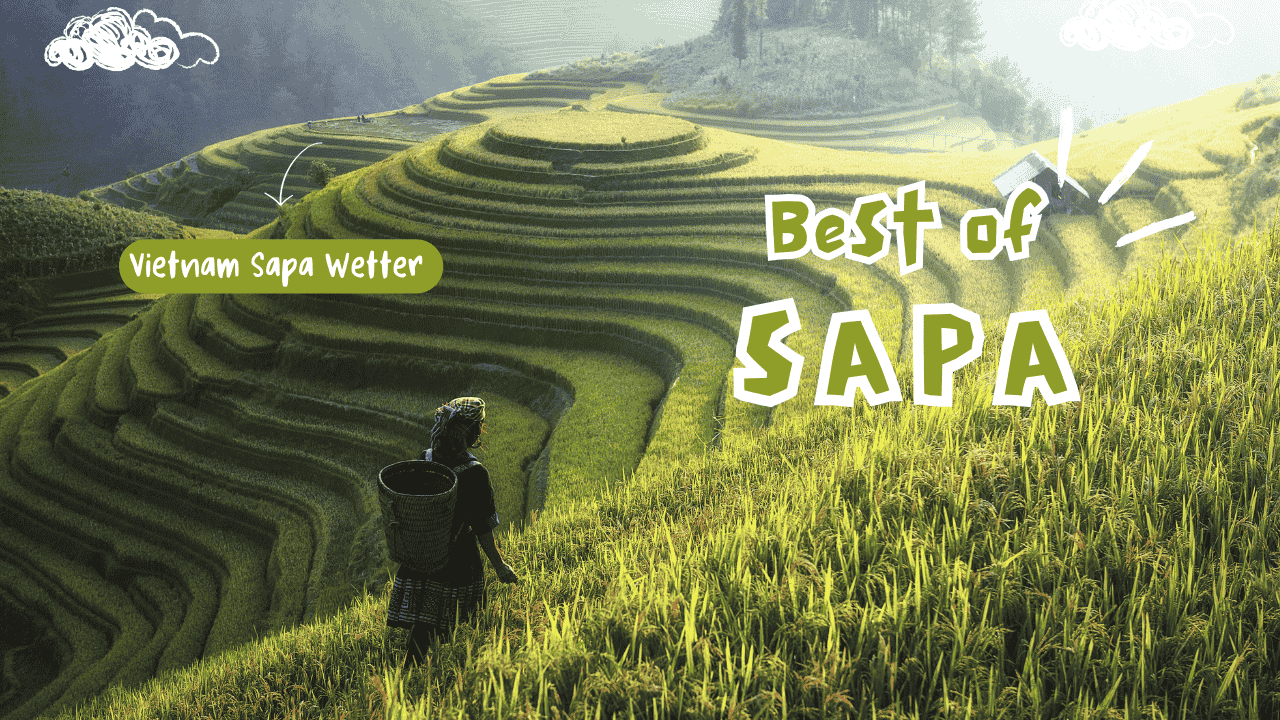
Ha Giang is widely considered to offer some of the most spectacular riding routes in Vietnam, making it a dream destination for international travelers. However, the sheer beauty of the karst plateau comes with its fair share of real-world challenges. The high-altitude terrain, relentless hairpin turns, steep cliffs, and unpredictable weather make a Ha Giang motorbike trip an experience that requires serious preparation and respect for the road.
Our goal with this guide isn’t to persuade you to ride or to discourage you from the adventure. Instead, we want to provide the most honest, “boots-on-the-ground” information regarding road safety, legal requirements, and essential riding skills. By sharing these insights, we hope to help you make a decision that matches your skill level, ensuring your journey through this majestic landscape is both fulfilling and, above all, safe.
1. The Truth About Licenses and Insurance – The Deciding Factor for Your Financial Safety
Before discussing riding techniques or mountain road experiences, the legal aspect is the first thing every international traveler must understand clearly.
1.1. International Driving Permits in Vietnam
To legally operate a Ha Giang motorbike, international tourists must possess an International Driving Permit (IDP) under the 1968 Vienna Convention, accompanied by the original motorcycle license from their home country. This is a mandatory requirement under Vietnamese law.
A common reality is that many travelers from Australia, the US, the UK, or Europe carry an IDP under the 1949 Geneva Convention and assume it is globally valid. However, Vietnam does not recognize the 1949 IDP model. In the event of an inspection, traffic police have the right to issue administrative fines and impound the vehicle.
While renting a Ha Giang motorbike is quite easy, most rental shops do not check licenses or clearly explain legal regulations. This leads many tourists to unknowingly violate the law.
1.2. Travel Insurance and Hidden Risks
A more critical issue directly affecting your finances and health is travel insurance. Most international insurance companies have very clear exclusion clauses regarding the operation of motor vehicles. If the rider does not hold a valid driving license in the country where the accident occurs, the insurance policy becomes void.
This means that all medical expenses—ranging from initial emergency care and surgery to long-term treatment and emergency medical evacuation—must be paid out of pocket. In the event of a serious accident while riding a Ha Giang motorbike in mountainous areas, the cost of medical transport by helicopter or plane back to Hanoi can reach tens of thousands of US dollars.
Many travelers only realize this after an accident has occurred, when the insurance provider denies their claim, leaving the entire financial burden on the individual.
1.3. Practical Advice on Choosing Your Mode of Transport
If you do not possess a 1968 Convention IDP, have never ridden a semi-automatic or manual bike, or lack experience riding on long-distance mountain terrain, self-driving a Ha Giang motorbike poses a very high risk.
In this case, choosing an Easy Rider service—sitting on the back of a local’s bike—is a much safer alternative. You can still experience the Ha Giang loop by motorbike, but you significantly reduce the risk of accidents while avoiding legal and insurance complications.
2. Why You Shouldn’t Always Trust Google Maps in Ha Giang
While Google Maps is a familiar tool for most international travelers, it has several critical limitations when navigating the mountainous terrain of the region.
Google Maps may occasionally direct you onto local footpaths, routes affected by landslides, or roads where the actual condition has not been updated. Some of these paths are extremely steep, narrow, and offer no space to turn around, making them particularly dangerous for those unfamiliar with the terrain while riding a Ha Giang motorbike.
Furthermore, mobile signals in many areas of Ha Giang are unstable. Relying entirely on online maps can lead to getting lost in areas with no network connection.
A safer way to travel is to prioritize main paved roads with clear signage. Additionally, always ask locals or homestay owners about the current road conditions before starting your Ha Giang motorbike journey each day, especially during the rainy season.
3. Essential Motorbike Riding Skills for Ha Giang’s Mountain Passes
Riding on mountainous terrain requires a completely different approach compared to flat roads. Gravity, steep inclines, and tight cornering radii mean the rider must maintain much more active control over the vehicle.
3.1. Gear and Speed Management
The fundamental rule for mountain riding is to use low gears to control your speed. If you need a low gear to climb a slope, use that same gear when descending. Shifting to a lower gear allows the engine to provide natural braking force, keeping the Ha Giang motorbike stable and reducing the load on the braking system. Using high gears while going downhill causes the bike to pick up too much speed, forcing the rider to brake constantly and increasing the risk of losing control.
3.2. Engine Braking and Brake Control
Engine braking is a particularly vital skill when operating a Ha Giang motorbike. When descending long passes, riders should downshift and completely release the throttle, allowing the engine to naturally restrain the bike’s speed. Constant braking over long periods causes the brakes to overheat, leading to brake fade or total failure. In situations where you need to slow down for a corner, apply the brakes firmly and then release—avoid dragging the brakes for too long.
3.3. Navigating Hairpin Turns
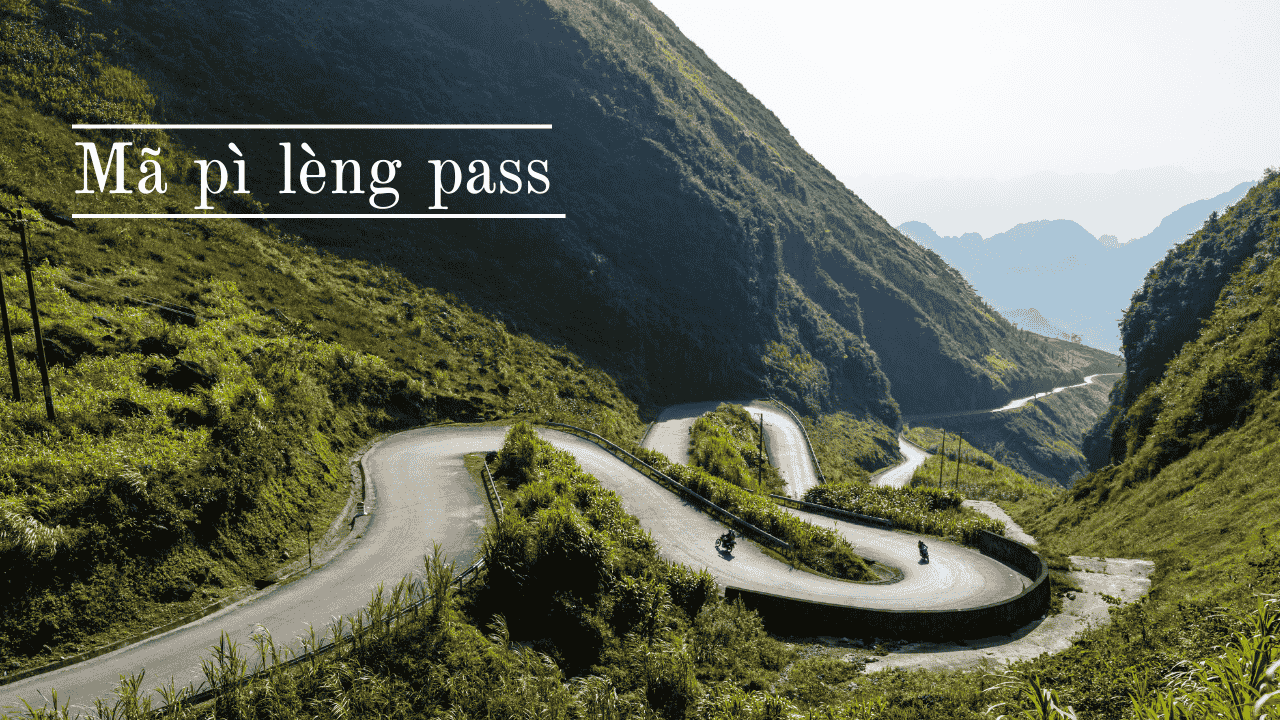
The curves in Ha Giang are often extremely sharp and narrow. Before entering a turn, riders must slow down and select the appropriate gear. Never brake hard while in the middle of a curve. During the turn, your line of sight is crucial. Looking toward the exit of the curve helps your body and the Ha Giang motorbike naturally adjust to the direction of travel, reducing the risk of hitting the cliffside or sliding.
3.4. Using the Horn on Mountain Roads
At blind corners, using your horn is a vital safety signal. Large trucks often occupy a significant portion of the road and have limited visibility. Honking helps oncoming vehicles recognize your presence earlier, allowing them to proactively slow down and share the road safely during your Ha Giang motorbike trip.
4. Hidden Hazards: 3 Major Risks Every Rider Faces in Ha Giang
Beyond the complex terrain, a Ha Giang motorbike journey also involves many unpredictable factors. Use this checklist to stay alert:
- Loose Gravel (The Silent Threat): Gravel often appears after rain or in road construction zones. When riding your Ha Giang motorbike through these areas, keep the bike upright, reduce your speed, and strictly avoid sudden braking or leaning the bike.
- Unexpected Obstacles: Livestock such as buffaloes, cows, pigs, and local children often appear suddenly on the road, especially near residential clusters. Maintaining a moderate speed and staying focused are key to handling these situations safely.
- The “Day Two” Overconfidence: A less-discussed psychological factor is the overconfidence that sets in on the second day of the trip. Once comfortable with their Ha Giang motorbike, many riders tend to speed up and lose their vigilance, which frequently leads to avoidable accidents.
5. Maintenance & Breaks: Keeping Both You and Your Bike Alive
Riding a Ha Giang motorbike for five to six hours a day across demanding mountain terrain can quickly exhaust both the rider and the machine. A quick morning inspection is vital to catch early issues with brakes, tires, or the chain.
During your trip, it is highly recommended to take short breaks every hour. This allows your body to relax and gives your Ha Giang motorbike engine time to cool down. Frequent rests help maintain mental alertness and significantly reduce the risk of accidents caused by fatigue.
6. Prioritizing Safety for a Fulfilling Experience
Ha Giang offers a truly one-of-a-kind adventure, but the beauty of this karst plateau can only be fully embraced when safety is your top priority. Remember, choosing a mode of transport that matches your skill level doesn’t diminish the adventure—on the contrary, it allows you to immerse yourself in the Ha Giang loop more deeply, free from unnecessary stress and risk.
We hope these practical insights help you better prepare for your upcoming expedition. Whether you are looking for a detailed itinerary or exploring safe travel options like an Easy Rider tour, the Zavira Travel team is always here to provide expert advice and support for your journey.
7. Ha Giang Loop FAQ: Everything Doesn’t Tell You
- I heard there are frequent police checkpoints; what should I do?
Traffic police often check for a Vietnam motorbike license at the exit of Ha Giang City and major stops. Always carry a valid 1968 IDP to avoid fines or vehicle impoundment. If you don’t have the correct permit, do not try to evade checkpoints as the mountain terrain is extremely dangerous for high-speed chases. The most stress-free solution is joining a guided tour or using an Easy Rider service.
- Is it safer to rent a semi-automatic or a scooter?
“real-world” advice favors the semi-automatic bike. A semi-auto Ha Giang motorbike allows you to use engine braking to control your speed downhill, whereas scooters risk brake failure due to overheating and have smaller wheels that struggle with gravel. If you’ve never ridden a semi-auto, spend half a day practicing in the city before heading out.
- What should I do if I encounter landslides on the road?
In the 2026 rainy season, landslides can happen anytime. If you see small rocks falling from the cliffs, stop and observe or turn back if necessary. Never attempt to rush through sections showing signs of subsidence. Asking oncoming riders about the road ahead is your most reliable source of information.
- Is the “Happy Water” (local rice wine) culture at homestays safe?
It’s a fascinating cultural experience, but stay sharp. The local corn wine is very strong, and a “hangover penalty” the next morning makes riding a Ha Giang motorbike on mountain passes a disaster. Learn to politely decline and keep a clear head for the next day’s ride.
- How much cash should I bring?
ATMs are only available in major towns, and international cards often fail to work. You should carry a reserve of 2–3 million VND in cash for fuel, food, and emergencies in remote villages where there is no mobile signal or card readers.
- What if my bike breaks down on a deserted pass?
The people of Ha Giang are incredibly friendly, and most know basic bike repairs. Just signal for help, and they will likely assist you to the nearest shop. Always keep your motorcycle rental Ha Giang shop’s phone number handy so they can coordinate mobile repair services if needed.
- Is it safe for solo female travelers?
Ha Giang is very safe in terms of security. However, riding solo can be exhausting and stressful if problems arise. We recommend befriending other groups at homestays or hiring a local guide to ensure you have support in case of a flat tire or if you get caught in the dark.
- Do I need to bring a First Aid Kit?
Absolutely. Pharmacies are far apart in Ha Giang. Pack your own bandages, antiseptic, digestive medicine, and painkillers. Being able to treat minor scratches immediately keeps your Ha Giang loop journey on track.
- What is the safest time of day to ride?
You should start early (around 7–8 AM) and aim to finish before 5 PM. At night, there are no streetlights, the fog is dense, and livestock often sleep on the asphalt. Riding a Ha Giang motorbike at night is extremely high-risk.
- Should I self-drive if I only have experience on flat roads?
Mountain riding requires cornering and incline handling skills that are completely different from city streets. If you feel “overwhelmed” by the very first slopes, don’t push yourself. Contact us to switch to an Easy Rider Ha Giang service—your safety is the most important thing.