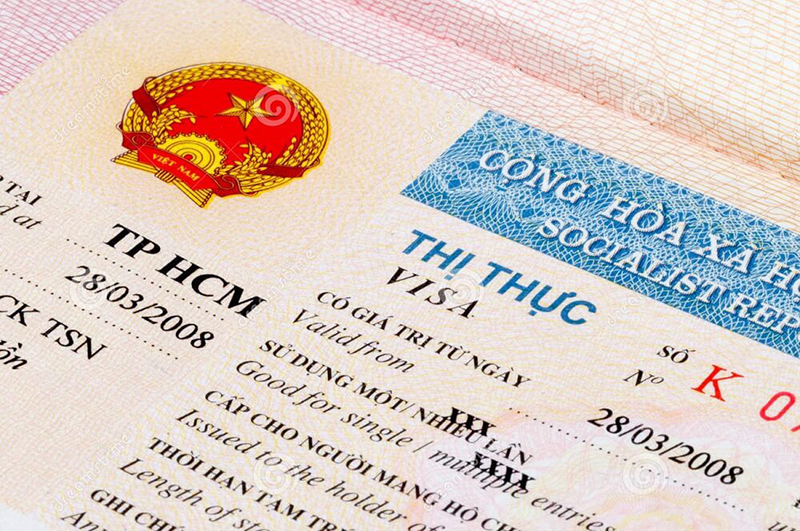
Get a Vietnam Visa – Planning a trip to Vietnam in 2026? Before packing your bags, make sure you understand the latest Vietnam entry requirements and visa regulations. Whether you’re flying into Hanoi, Ho Chi Minh City, Da Nang, or Nha Trang, travelers from most countries will need a valid Vietnam visa to enter. While nearby destinations like Cambodia, Laos, and Thailand offer simple visas on arrival, Vietnam’s visa process requires a bit more preparation. In this guide Bestour, we’ll walk you through everything you need to know about how to apply for a Vietnam visa, including Visa on Arrival, E-Visa, and other essential tips to make your entry smooth and hassle-free.
Vietnam Entry Requirements 2025
As of 2025, Vietnam’s entry requirements have returned to normal, just as they were before the Covid-19 pandemic. In general, most international travelers will need a valid Vietnam visa to enter the country — except for citizens from visa-exempt countries listed in the table below.
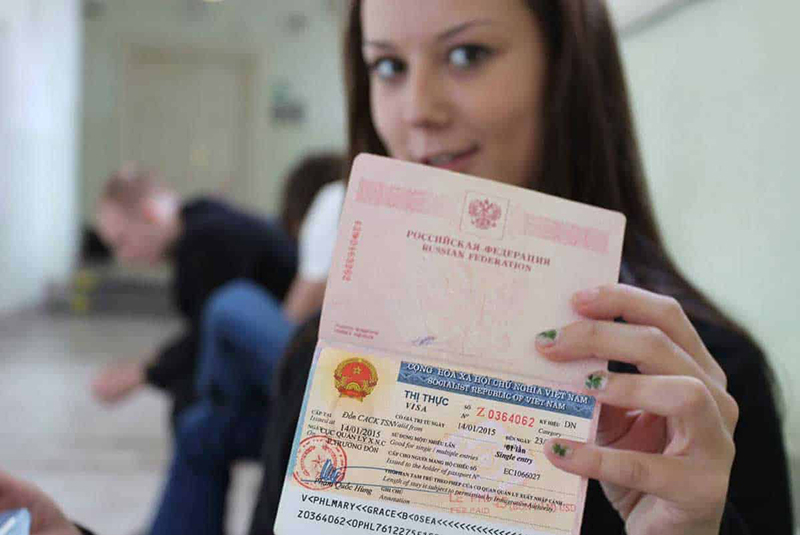
To enter Vietnam, you must hold a valid passport and either a Vietnam visa or a visa approval letter issued by a licensed Vietnamese tour operator. Your passport must be valid for at least six months beyond your intended stay and have at least one blank visa page. Please note: the six-month validity is counted from your date of entry into Vietnam, not from the time you apply for the visa.
You can apply for a Vietnam visa anywhere from 1 day up to 6 months in advance. Although the approval process typically takes 2–3 working days, it’s best to apply at least 1–2 weeks before your arrival date to avoid unexpected payment or administrative issues. Urgent visas processed within 24 or 72 hours are available, but they are significantly more expensive and do not guarantee entry.
Since 2022, all visitors entering Vietnam are no longer required to take a Covid-19 test upon arrival. You also don’t need to show a vaccination certificate or PCR test result. However, travelers showing Covid-19 symptoms at entry points may be required to take a rapid test or PCR test for safety reasons.

VIETNAM
If you’re planning a trip to Vietnam, there’s great news! Starting August 15, 2023, significant updates to Vietnam’s visa policy have taken effect under Government Resolution No. 127, making it easier than ever for international travelers to visit.
Under the new regulation, Vietnam now offers electronic visas (E-visas) to citizens of all countries and territories, valid for entry through 42 international border gates across the nation. These E-visas are valid for up to 90 days and can be used for single or multiple entries, providing far more flexibility for travelers.
In addition, Vietnam has extended the visa exemption period from 15 to 45 days for citizens of 13 countries, including:
- The United Kingdom, Germany, France, Italy, Spain, Denmark, Norway, Sweden, Finland, Russia, Belarus, Japan, and South Korea.
- These policy changes are expected to boost tourism and strengthen trade ties between Vietnam and the rest of the world.
If you already hold a visa or qualify for visa exemption issued before August 15, 2023, there’s no need to worry — the existing Immigration Law remains valid.
For more details or assistance with Vietnam visa applications and customized Vietnam tours, feel free to contact Travel Vietnam, your trusted local travel expert.
Cambodia Visa Requirements – Updated 2026
Planning a trip to Cambodia? Here’s everything you need to know about visa requirements, entry procedures, and how to easily obtain your Cambodian visa by air, land, or online.
1. Countries Exempted from Cambodia Visa
Most nationalities are required to apply for a visa to enter Cambodia. However, citizens from the following countries can enjoy visa-free entry for a limited period:
- 30 days: Indonesia, Malaysia, Singapore, Laos, and Vietnam
- 21 days: Philippines
- 14 days: Thailand, Myanmar, Brunei, and Seychelles
If your country is not listed above, you will need to apply for a Cambodian tourist visa before or upon arrival.
2. Visa on Arrival at Entry Points
Travelers can easily obtain a Cambodia Visa on Arrival at both airports and land borders. You will need:
- A valid passport (with at least six months’ validity)
- One passport photo (3×4 cm)
- Application forms are provided by the Immigration Office upon arrival.
By Air:
- At Phnom Penh International Airport and Siem Reap International Airport, the visa process is quick and simple — usually completed within a few minutes.
- Visa fee: US$30 (cash only) for a 30-day stay.
By Land:
You can also obtain your visa at several land border checkpoints, including:
- Poipet (from Thailand)
- Kaam Samnor or Vinh Xuong (Chau Doc) – for travelers arriving by boat from Vietnam
- Prek Chak / Xa Xia (Ha Tien)
- Bavet / Moc Bai (Ho Chi Minh City route)
- Visa fee: US$33 per single entry
3. Other Visa Options
A Visa on Arrival, valid for 30 days, can also be issued at:
- Phnom Penh International Airport
- Siem Reap International Airport
- All International Border Checkpoints
You may also apply at any Royal Cambodian Embassy or Consulate abroad.
- Tourist Visa: US$20
- Business Visa: US$25
Visas can be extended at the Immigration Department in Phnom Penh.
A free (K) visa is available for overseas Cambodians.
Cambodia now offers a quick and simple E-visa system for tourists.
All you need to do:
- Complete the online application on the official E-Visa website.
- Upload a passport-sized photo (JPEG or PNG format).
- Pay online by credit card.
Your visa will be approved within three business days, allowing you to skip the long queues upon arrival.
- The E-visa is valid for 30 days and for single entry only.
- Not available for citizens of: Iran, Iraq, Pakistan, Afghanistan, Bangladesh, Saudi Arabia, Algeria, and Sudan (these nationals must apply at the nearest Cambodian Embassy).
- Business travelers must apply for a visa either at the embassy or on arrival.
You can use your Cambodia E-visa to enter and exit through:
- Phnom Penh International Airport
- Siem Reap International Airport
- Sihanoukville International Airport
- Bavet (Svay Rieng)
- Cham Yeam (Koh Kong)
- Poipet (Banteay Meanchey)
- Tropaeng Kreal (Stung Treng)
LAOS VISA INFORMATION
Laos makes it convenient for travelers to obtain a Visa on Arrival at major international airports and land borders.
When you arrive, simply pick up a Visa Application Form at the Immigration Counter, fill it out, attach your photo, and your visa will be issued within minutes.
The queues are usually short, but if you complete the form in advance, you’ll save even more time.
Airports That Offer Laos Visa on Arrival
You can easily obtain a visa at the following international airports:
-
Wattay International Airport – Vientiane Capital
-
Luang Prabang International Airport – Luang Prabang Province
-
Pakse International Airport – Champasak Province
Laos Border Checkpoints Accepting Visa on Arrival
China – Laos Border Gate
-
Mohan – Botene (Yunnan → Luang Namtha Province)
Thailand – Laos Border Gates
-
Chiang Khong – Houixay (Chiang Rai → Bokeo)
-
Nakaxeng – Kaenthao (Loei → Sayabouly)
-
Lao–Thai Friendship Bridge I (Nong Khai → Vientiane)
-
Lao–Thai Friendship Bridge II (Mukdahan → Savannakhet)
-
Lao–Thai Friendship Bridge III (Nakhon Phanom → Khammouane)
-
Chongmek – Vangtao (Ubon Ratchathani → Champasak)
Vietnam – Laos Border Gates
-
Nameo – Banleui (Thanh Hoa → Huaphanh)
-
Lao Bao – Dansavanh (Quang Tri → Savannakhet)
Cambodia – Laos Border Gate
-
Dong Calor – Veun Kham (Cambodia → Champasak)
Who Can Get a Laos Visa on Arrival?
Most nationalities are eligible for a Laos Visa on Arrival, except for a few listed below.
Countries Not Eligible for Laos Visa on Arrival
Travelers holding passports from the following countries must apply for a visa in advance at a Lao Embassy or Consulate abroad:
Afghanistan, Algeria, Bangladesh, Burundi, Cameroon, Congo, Côte d’Ivoire, Ghana, Guinea, Guinea-Bissau, Jordan, Lesotho, Liberia, Libya, Mozambique, Nauru, Niger, Nigeria, Pakistan, Senegal, Sierra Leone, Suriname, Syria, Swaziland, Tonga, Turkey, Zambia, and Zimbabwe.
According to Notice No. 1232 (issued October 1, 2009) by the Ministry of Foreign Affairs of Laos, travelers from the above countries must obtain visas before entering Laos. Exceptions may apply for official visits supported by the Lao Ministry of Foreign Affairs.
Requirements for Laos Visa on Arrival
To apply for your visa upon arrival, please prepare the following:
-
A passport valid for at least 6 months with one blank page
-
A completed Visa Application Form, signed by the applicant (available upon arrival or on the plane)
-
Two recent passport-size photos (if unavailable, you can pay a small scanning fee)
-
Visa fee in cash (USD or Thai Baht accepted)
Laos Visa Fees (Cash Only)
Visa fees depend on your nationality:
-
USA, UK, EU Citizens: 35 USD
-
Canada: 42 USD
-
Sweden: 31 USD
-
Australia & Others: 30 USD
Additional Charges:
1 USD overtime fee on weekends, Lao public holidays, or outside office hours (before 8:00 AM or after 4:00 PM).
An entry fee of approximately 2,500 Kip may apply.
Please note: All fees must be paid in cash only (US Dollars or Thai Baht).
Penalty for Overstaying Your Visa in Vietnam
Overstaying your visa in Vietnam is a serious matter and can lead to legal issues, fines, or even deportation. Whether your overstay is accidental or intentional, understanding the rules and possible consequences is essential to protect yourself from unnecessary trouble.
Is Overstaying a Visa in Vietnam Illegal?
Yes. According to Vietnamese immigration law, staying in the country after your visa or visa exemption period expires is a violation of immigration regulations. Every foreign visitor is responsible for monitoring their visa validity and leaving or renewing it before the expiration date.
Common Reasons for Overstaying a Visa
Some travelers overstay unintentionally due to:
- Forgetting the exact visa expiry date
- Misunderstanding the visa type or entry stamp
- Sudden flight cancellations or emergencies
- Waiting for visa extension approval
Regardless of the reason, it is your responsibility to ensure your visa status is valid during your stay in Vietnam.
Penalties for Overstaying in Vietnam
If you overstay your visa, you may face several consequences depending on the duration of the overstay:
| Duration of Overstay | Possible Penalty |
| 1–3 days (minor overstay) | Small fine (usually around USD 25–50) |
| 4–10 days | Higher fine and record in the immigration system |
| 10–30 days | Larger fine and potential deportation |
| Over 30 days | Serious violation – deportation, blacklisting, or even imprisonment in extreme cases |
How to Resolve a Visa Overstay in Vietnam
If you realize that your visa has expired, do not panic — take immediate action:
- Visit the nearest Immigration Office or contact your travel agency for assistance.
- Pay the required fine for your overstay.
- Request a visa extension or apply for an exit visa to leave the country legally.
Avoid trying to leave Vietnam without declaring your overstay, as this can lead to additional fines or being denied exit at the airport.
How to Avoid Overstaying Your Visa
To stay compliant with Vietnamese immigration law:
- Always check your visa expiry date upon arrival.
- Set reminders for the renewal or departure date.
- Apply for an extension at least 5–7 days before your visa expires.
- Use reliable travel or visa agencies for professional support.

Difference Between a Single-Entry Visa and a Multiple-Entry Visa
When applying for a visa to Vietnam, you will often need to choose between a single-entry visa and a multiple-entry visa. Understanding the difference between these two types is essential to ensure your travel plans go smoothly and match your itinerary.
Overview of Vietnam Visa Types
Vietnam offers different visa options depending on your travel needs, including tourist visas, business visas, and e-visas. Each visa type may be issued as single-entry or multiple-entry, depending on how often you need to enter or leave the country during your stay.
What Is a Single-Entry Visa?
A single-entry visa allows you to enter Vietnam only once during its validity period.
Once you exit the country, your visa automatically becomes invalid, even if it has not yet expired.
To re-enter Vietnam, you would need to apply for a new visa.
Best for:
- First-time visitors
- Short vacations or business trips
- Travelers who do not plan to leave and return to Vietnam during their stay
What Is a Multiple-Entry Visa?
A multiple-entry visa permits you to enter and exit Vietnam multiple times within the visa’s valid duration.
You can travel freely between Vietnam and neighboring countries such as Cambodia, Laos, or Thailand, and return without reapplying for a visa.
This type offers greater flexibility for regional travel and extended business plans.
Best for:
- Business travelers frequently entering and leaving Vietnam
- Tourists exploring Southeast Asia on multi-country trips
- Individuals with family or work commitments in multiple destinations

Key Differences Between Single-Entry and Multiple-Entry Visas
| Feature | Single-Entry Visa | Multiple-Entry Visa |
| Number of Entries | One-time entry | Multiple entries |
| Validity Period | 1 to 3 months (typically) | 1 to 12 months (varies) |
| Re-entry After Exit | Not allowed | Allowed within validity |
| Ideal For | Short trips, one-time visits | Frequent travelers, regional trips |
| Cost | Lower | Higher |
What Documents Are Required to Apply for a Vietnam Visa?
Applying for a Vietnam visa is a straightforward process if you prepare the right documents. Whether you plan to visit Vietnam for tourism, business, or family purposes, knowing what documents are required to apply for a Vietnam visa will help you avoid delays or rejection.
Vietnam Visa Requirements
Before traveling to Vietnam, most foreign visitors must apply for a visa unless their nationality qualifies for visa exemption. You can apply for a Vietnam visa in three common ways:
- At a Vietnamese Embassy or Consulate
- Online via the Vietnam e-Visa system
- Or through Visa on Arrival (VOA) service (available for air travelers)
Each method requires slightly different documentation, but most applicants will need similar core papers.
Essential Documents Required for a Vietnam Visa
Below are the main documents that every applicant must prepare when applying for a Vietnam visa:
Completed Vietnam Visa Application Form
You must fill in a visa application form either:
- Online (for e-visa or visa-on-arrival), or
- On paper (if applying at an embassy or consulate).
- Ensure all information matches your passport details exactly. Any mismatch may result in rejection or processing delays.
Valid Passport
- Your passport is the most important document in your application. It must:
- Be valid for at least 6 months from your intended date of arrival.
- Have at least two blank pages for visa stamps.
Pro tip: If your passport is expiring soon, renew it before submitting your visa application.
Recent Passport-Size Photos
Usually, two recent color photos (4×6 cm) are required. The photos should:
- Have a plain white background
- Show your full face clearly
- Be taken within the last six months
Visa Fee Payment
A non-refundable visa fee is required when you apply. The amount varies based on:
- Visa type (tourist, business, student, etc.)
- Duration and entry type (single or multiple entries)
- Applicant’s nationality
- Payments can usually be made online (for e-visas) or in person at the embassy or upon arrival.
Additional Documents (Depending on Visa Type)
In some cases, you may need to provide extra documents to support your visa application:
- Proof of Onward Travel: A confirmed flight or bus ticket showing your plan to leave Vietnam before your visa expires.
- Proof of Accommodation: A hotel booking confirmation, or a letter of invitation from your host in Vietnam.
Letter of Invitation or Sponsorship
- You are visiting Vietnam for business or official purposes, or
- You are invited by a friend or family member living in Vietnam.
Proof of Financial Means
Some applicants must show recent bank statements or other proof of sufficient funds to cover expenses during their stay.
Country-Specific Requirements
Vietnam’s visa requirements may differ based on nationality. For example:
- Some countries may require extra verification documents.
- Business travelers may need to show company registration papers or employment letters.
Always verify with your nearest Vietnamese Embassy or Consulate to get the most updated and accurate information before applying.
How Long Does It Take to Get a Vietnam Visa?
If you’re planning a trip to Vietnam, one of the most common questions travelers ask is: How long does it take to get a Vietnam visa?
The answer depends on the type of visa and the method of application you choose. Each option has a different processing time, cost, and level of convenience.
Below is a detailed guide to help you understand how long it takes to get your Vietnam visa approved and how to choose the best method for your travel needs.
Vietnam E-Visa Processing Time
A Vietnam e-Visa is the most popular and convenient option for many travelers. It allows you to apply online and receive your visa electronically by email — no need to visit an embassy or wait in long lines.
Processing Time:
- Standard processing: Around 3 working days
- Urgent or express service: May take 1 working day or even a few hours (extra fee applies)
- During holidays: Processing may take longer than usual
Validity:
- Single-entry e-Visa: Valid for up to 30 days
- Multiple-entry e-Visa: Valid for up to 90 days
Tip: Apply for your e-Visa at least one week before your trip to avoid unexpected delays.
Vietnam Visa on Arrival (VOA) Processing Time
A Visa on Arrival (VOA) is available for travelers entering Vietnam by air only at certain international airports such as Hanoi, Ho Chi Minh City, or Da Nang.
Before traveling, you must obtain a visa approval letter issued by the Vietnam Immigration Department.
Processing Time for Visa Approval Letter:
- Standard service: Around 2 working days
- Urgent service: Within 8 hours (extra charge applies)
- Super urgent: 2–4 hours (for emergencies, higher fee applies)
Once you arrive in Vietnam, you’ll present your approval letter, pay the stamping fee, and receive your visa at the airport.
Stamping Fee:
- Single-entry visa: Around USD 25
- Multiple-entry visa: Around USD 50
Note: Always print your visa approval letter and bring two passport-size photos with you.
Vietnam Embassy or Consulate Visa Processing Time
You can also apply for a Vietnam visa directly at a Vietnamese Embassy or Consulate in your home country. This method is suitable for those who prefer having the visa stamped on their passport before departure.
Processing Time:
- Standard service: Around 3–5 working days
- Expedited service: Within 24 hours (extra fee may apply)
You’ll need to submit:
- A completed visa application form
- Your original passport
- Passport photos
- Visa fee (varies by nationality and visa type)
Tip: Contact the embassy in advance to confirm the exact requirements and fees, as they may differ by location.
Which Vietnam Visa Option Is Fastest?
| Visa Type | Standard Processing Time | Express Option Available? |
| E-Visa | 3 working days | Yes (1 day) |
| Visa on Arrival | 2 working days | Yes (8 hours or faster) |
| Embassy Visa | 3–5 working days | Yes (24 hours) |
If you’re in a hurry, the Visa on Arrival with urgent processing is typically the fastest way to obtain a Vietnam visa. However, the E-Visa remains the easiest and most convenient for travelers who prefer an entirely online process.

Conclusion
Getting a Vietnam visa is a simple process as long as you choose the right method and apply on time. On average, it takes 2 to 5 working days to receive your visa, depending on whether you apply for an E-visa, Visa on Arrival, or Embassy visa.
If you need your visa urgently, the Visa on Arrival or express E-visa service can get you approval within just a few hours. However, for a smoother experience, it’s always best to prepare your documents early and apply through official or trusted channels.
By understanding the Vietnam visa processing time and planning ahead, you can ensure a stress-free entry and enjoy your journey through Vietnam with peace of mind.