Vietnam Weather and ClimateVietnam is a country of diverse weather and climates, offering both opportunities and challenges for travelers planning a visit. With its long coastline, majestic mountains, and sprawling rice fields, each region has its own unique climate, which can greatly shape a traveler’s experience. From the scorching heat of the Mekong Delta to the cool mountain air of Sapa, understanding Vietnam’s weather is key to ensuring a successful and enjoyable trip.
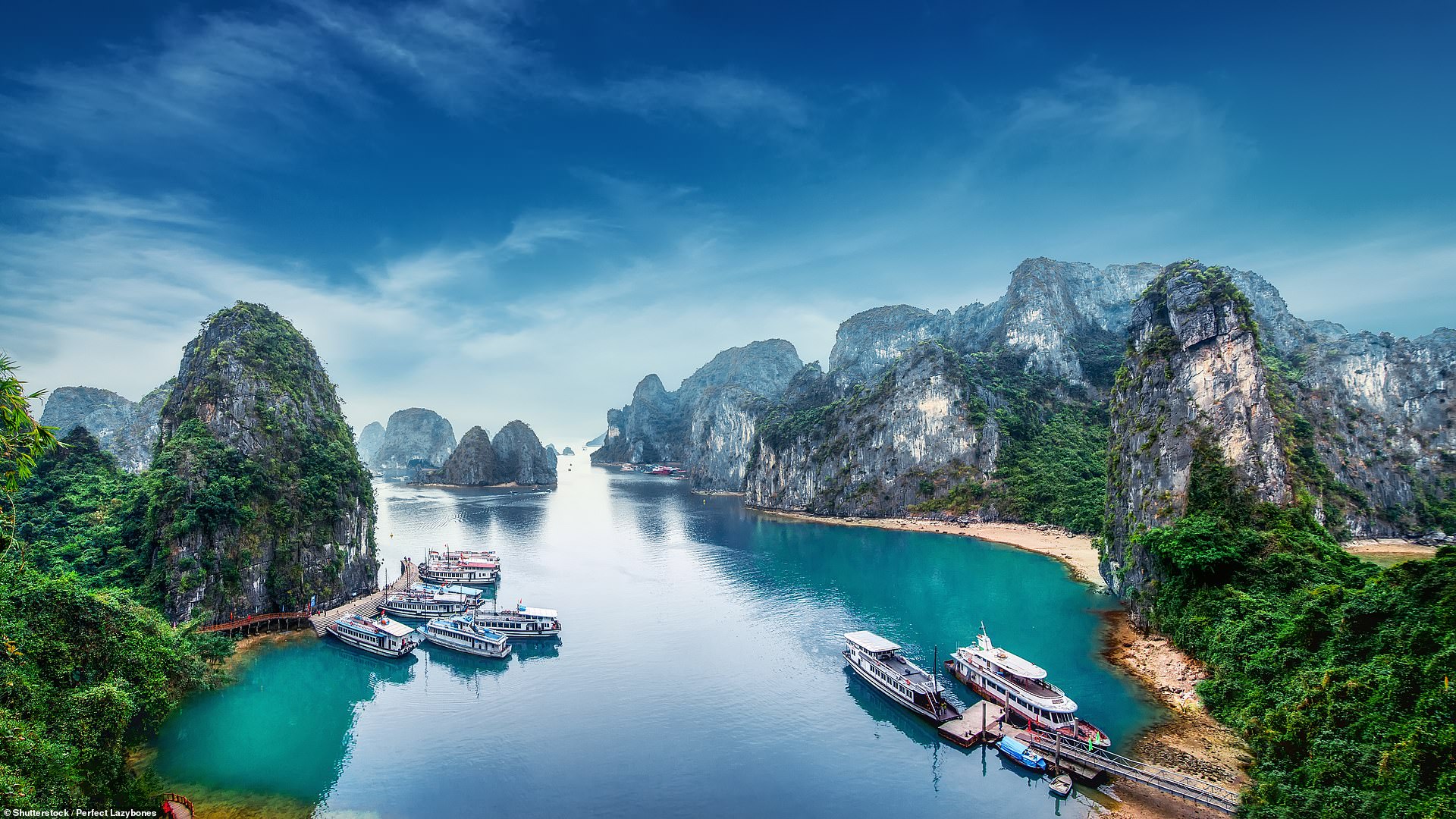
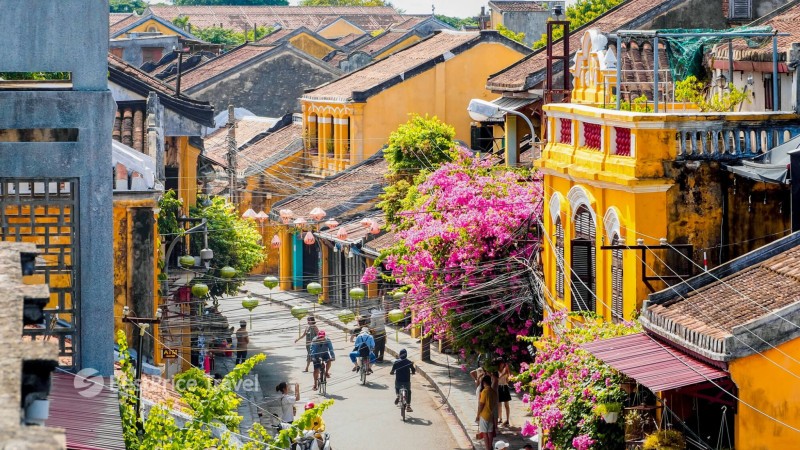
The best time to visit Vietnam depends on your preferences and travel plans. If you want to escape the heat and avoid the crowds, the winter months from December to February—with cool, dry weather—are an excellent choice. This period also marks the peak tourist season for popular destinations such as Hanoi, Hoi An, and Ha Long Bay. On the other hand, if your goal is to enjoy Vietnam’s famous beaches, the ideal time is from April to August, when the skies are sunny and the weather is warm.
Beyond the weather, Vietnam offers vibrant festivals and cultural events throughout the year. From the colorful Tet New Year celebrations in January–February to the stunning Lantern Festival in Hoi An in August, these events add extra excitement and cultural depth to your trip. Planning your visit around these festivals is a great way to experience the country’s traditions and local life.
Best Vietnam Tours provides an overview of Vietnam’s weather patterns, the best times to visit based on your interests, and tips on navigating crowds to make the most of your journey. Whether you’re seeking a relaxing beach holiday or a cultural and historical adventure, understanding Vietnam’s climate and peak seasons will help you plan the perfect trip.
Vietnam Weather and Climate Zones: A Complete Guide by Region and Month
Vietnam, located in Southeast Asia, boasts a tropical monsoon climate with two main seasons: the rainy season from May to October and the dry season from November to April. During the rainy season, much of the country experiences heavy showers, while the dry season offers plenty of sunny and clear days. The northern regions, including cities like Hanoi and Sapa, enjoy a distinct winter with cooler temperatures and occasional frost.
The country can be divided into three main climate zones: the north, the central region, and the south. The north features a temperate climate with four distinct seasons, the central region experiences a tropical monsoon climate, and the south has a consistently tropical climate throughout the year. Northern cities like Hanoi and Sapa endure cold winters and hot summers, central destinations such as Hue and Da Nang experience rainy and dry seasons, and southern regions including Ho Chi Minh City and Nha Trang remain hot and humid year-round.
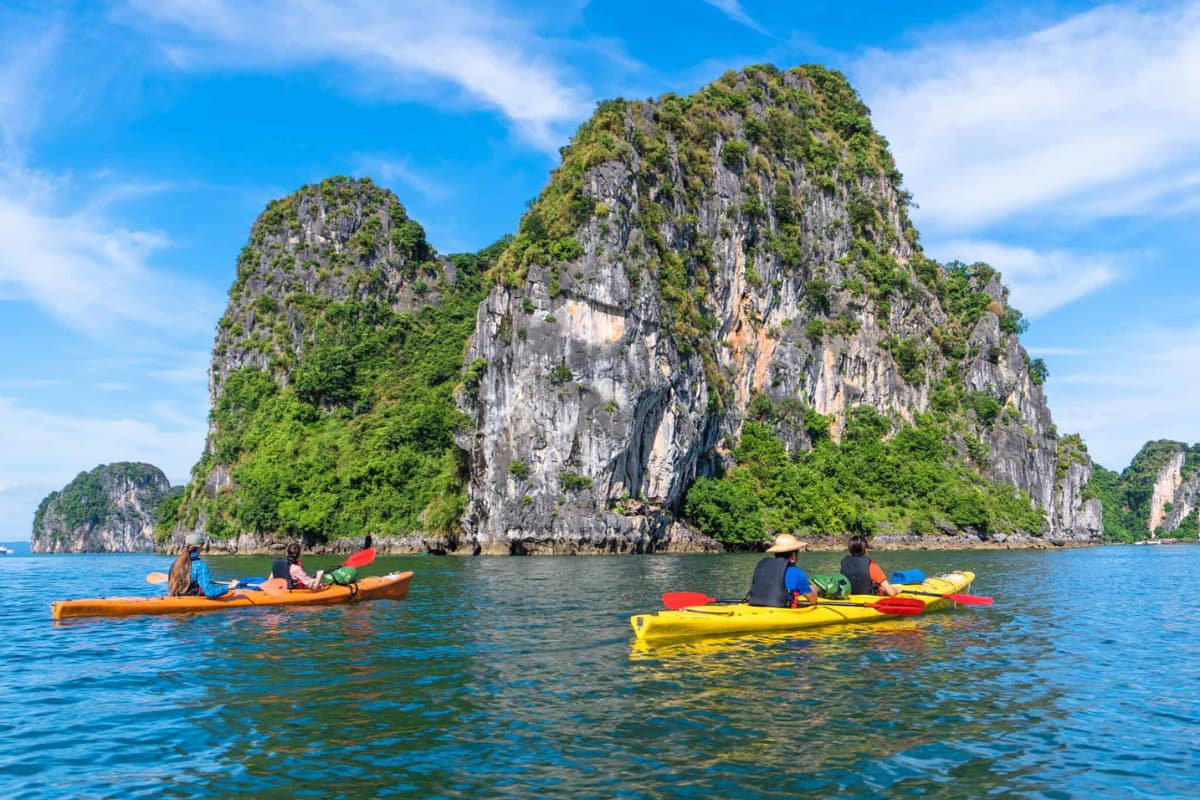
The best time to visit Vietnam depends largely on your travel goals and chosen destinations. The dry season (November to April) is ideal for sightseeing, offering sunny, dry weather perfect for exploring attractions like Ha Long Bay and Hoi An. However, this is also the peak tourist season, so accommodations and travel costs may be higher. Meanwhile, the rainy season (May to October) transforms the country into a lush, green paradise, ideal for adventure activities such as trekking, kayaking, and exploring waterfalls. Be aware, though, that heavy rainfall may limit certain activities and cause flooding in some areas.
Seasons in Vietnam: When to Visit for the Best Weather
Vietnam is a land of diverse climates and stunning landscapes, and the weather varies greatly depending on the region and time of year. Understanding the seasons is key to planning the perfect trip.
Northern Vietnam: Four Distinct Seasons
The north, including Hanoi, Sapa, Ha Giang, and Halong Bay, experiences four distinct seasons:
-
Spring (February to April): Mild temperatures, clear blue skies, and vibrant festivals make this one of the most enjoyable times to visit.
-
Summer (May to August): Hot, humid, and often rainy, with frequent thunderstorms. Ideal for those who enjoy lush green landscapes but less suitable for sightseeing in the city.
-
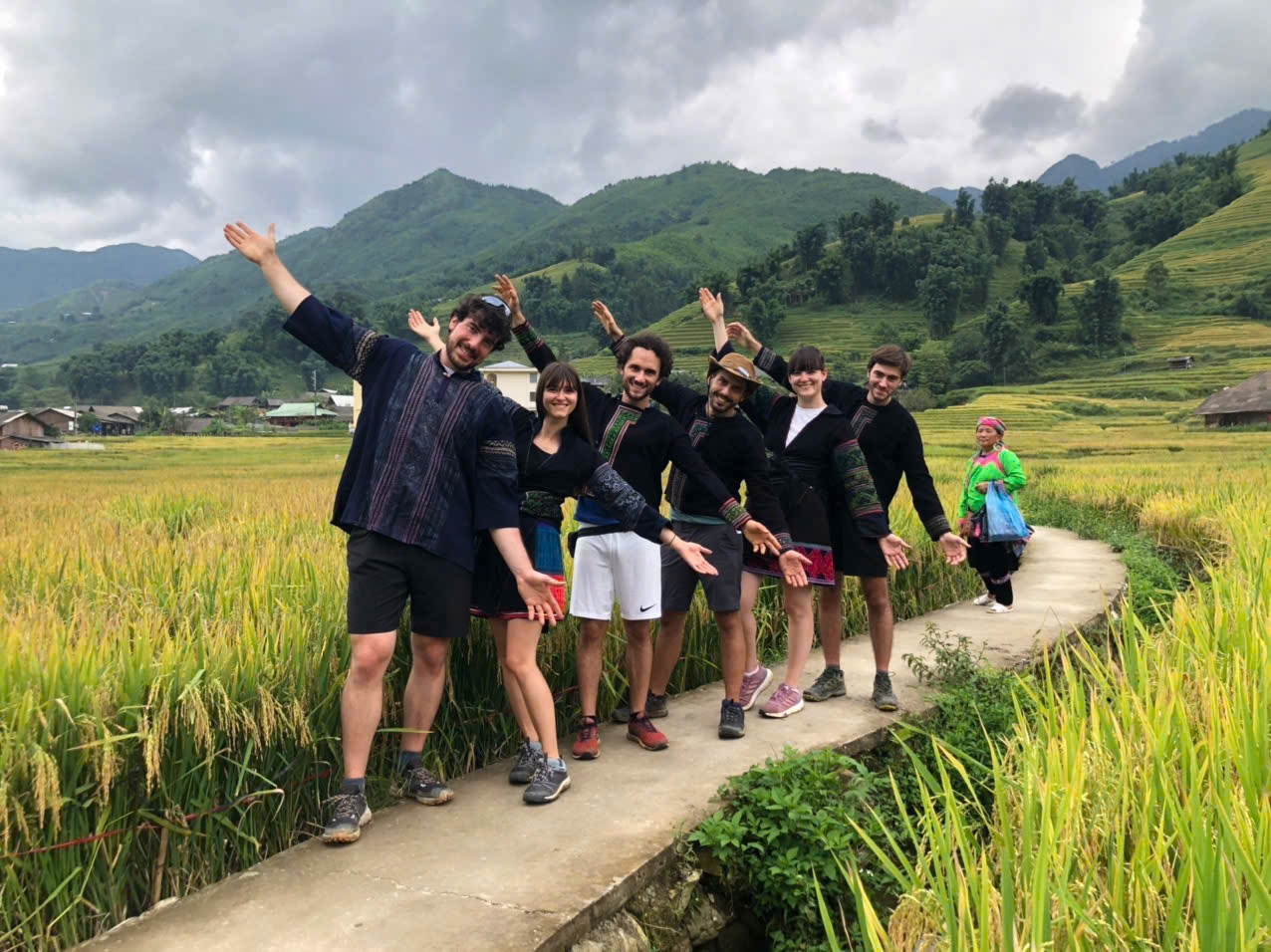
Autumn (September to November): Cool, dry weather with golden rice terraces and crisp skies—perfect for trekking and photography.
-
Winter (December to January): Cold and foggy, especially in the mountains, with occasional frost or snow in high-altitude areas.
Central and Southern Vietnam: Two Main Seasons
The central and southern regions, including Hue, Da Nang, Hoi An, Nha Trang, Ho Chi Minh City, and Phu Quoc, experience only two main seasons:
-
Dry Season (November to April): Sunny skies, mild temperatures, calm seas, and pristine beaches—perfect for beach getaways and outdoor activities.
-
Rainy Season (May to October): Frequent downpours, occasional storms, and flooding in some areas. The landscape becomes lush and green, making it ideal for adventure activities like trekking and kayaking.
Planning Your Visit
Vietnam Weather and Climate directly impacts your travel experience. Choosing the right season allows you to enjoy the best of each region:
-
Spring: Cultural festivals and natural scenery in the north.
-
Summer: Relaxing on beaches and islands in central and southern Vietnam.
-
Autumn: Trekking in the northern highlands and exploring golden rice terraces.
-
Winter: Beach holidays in the south or scenic trips in lowland areas.
Travelers should also prepare for potential challenges depending on the season, including heat, humidity, rain, or typhoons, and always check the local weather forecast before setting out.

Vietnam Weather by Month: Best Places to Visit
Holidays, festivals, and seasonal weather all affect the best time to explore Vietnam. Here’s a month-by-month guide to help you plan your trip:
| Month | Best Places to Visit | Where to Avoid | Weather Highlights |
|---|---|---|---|
| January | Phu Quoc, Mui Ne, Nha Trang, Hanoi, Mekong Delta, Ban Gioc Waterfall, Moc Chau | Fansipan (Sapa), Cat Ba, Ha Giang | Dry season; sunny south; cool north; fog in Halong Bay |
| February | Hoi An, Mui Ne, Con Dao, Phu Quoc, Hanoi, Mekong Delta, Sapa | Fansipan, Cat Ba, Ha Giang | Warm; Tet festival; north still chilly |
| March | Tay Nguyen, Hue, Hoi An, Da Nang, Phu Yen, Dien Bien Phu, Quy Nhon, Ninh Thuan, Ho Chi Minh City | – | Pleasant everywhere; great for beaches and sightseeing |
| April | Hanoi, Sapa, Ly Son, Ninh Binh, Ho Chi Minh City, Halong Bay, Hue, Da Nang | Crowded public beaches (April 30) | Dry season; warm and sunny; high tourist season |
| May | Mu Cang Chai, Cat Ba, Pu Luong, Ninh Binh, Nha Trang, Halong Bay | Crowded public beaches (May 1) | Hot; rainy season begins late in the month |
| June | Hue, Da Nang, Con Dao, Hoi An, Da Lat, Mui Ne | Hanoi, Ho Chi Minh City, Northwest | Sunny central; occasional rain north & south |
| July | Halong Bay, Phu Quoc, Phong Nha, Da Lat, Con Dao, Mui Ne | Hanoi, Ho Chi Minh City, Mekong Delta, Northwest | Mostly sunny central; showers elsewhere |
| August | Hanoi, Halong Bay, Hoi An, Phong Nha, Nha Trang, Cat Ba, Mui Ne | Mekong Delta, typhoon-prone coasts, Northwest | Good central weather; rainy north & south |
| September | Hanoi, Sapa, Mu Cang Chai, Bach Ma, Hue, Phu Quoc, Mui Ne | Phong Nha, Hoi An, typhoon-prone coasts | Cool north; green landscapes; rainy south |
| October | Ha Giang, Hanoi, Sapa, Can Tho, Halong Bay, Da Lat, Ba Be, Ban Gioc | Phong Nha, Hoi An, typhoon-prone coasts | Cool and dry north; perfect for trekking & photography |
| November | Hanoi, Ha Giang, Sapa, Halong Bay, Can Tho, Moc Chau, Mui Ne, Con Dao, Long Hai, Ho Tram, Ho Chi Minh City | Phong Nha, Hoi An, typhoon-prone coasts | Dry season; cooler north; pleasant travel |
| December | Moc Chau, Halong Bay, Ban Gioc, Ba Be, Ho Chi Minh City, Phu Quoc | Central rainy areas | Dry south; chance of rain in central; beach season returns |
January
Most of Vietnam enjoys dry, pleasant weather in January, though the north can be quite chilly, especially in the mornings and evenings. Pack some warm layers if you plan to visit Sapa or Ha Giang. For beach lovers, Phu Quoc is bathed in sunshine, while Halong Bay may be shrouded in mist, creating a mysterious, ethereal vibe.
February
Temperatures rise slightly across the country, though northern Vietnam remains cool. February is a peak tourist month due to the Tet Festival, Vietnam’s Lunar New Year. Expect crowds, lively celebrations, fireworks, and plenty of delicious food. Be mindful that many shops, restaurants, and attractions may close for a few days during Tet.
March
March is one of the best months to visit Vietnam. Weather is warm and clear almost everywhere, perfect for exploring Hoi An, Mui Ne, Nha Trang, or cruising Halong Bay under bright blue skies. It’s a great balance of pleasant temperatures and fewer crowds compared to the peak holiday season.
April
Similar to March, April offers wonderful weather across Vietnam. The country is warm, dry, and inviting, making it an excellent time for sightseeing, trekking, and beach activities. Tourist spots may get busier, so plan ahead for accommodations and tours.
May
Temperatures rise in May as summer approaches, but the rainy season hasn’t fully set in yet. Occasional showers may appear in the north and south by the end of the month. This is a good time to enjoy lush landscapes while avoiding the heaviest rains and taking advantage of slightly lower travel costs.
June
June can bring some rain in both the north and south, but central Vietnam remains mostly dry and sunny. Ideal destinations include Hue, Da Nang, and Hoi An, where you can relax on the beaches or explore the countryside. A perfect time to travel before school holidays increase crowds.
July
Central Vietnam shines in July, with sunny days and minimal rain. Northern and southern regions might experience occasional showers, but they rarely disrupt travel plans. This is a great time to enjoy coastal adventures and cultural excursions.
August
Central Vietnam continues to be a good choice in August, although rain may begin to increase by month’s end. North and south regions may see sporadic rain as well, but it’s usually short-lived. Off-season discounts on hotels and flights make this an appealing month for budget-conscious travelers.
September
September is perfect for enjoying the last stretch of sun on the central coast, while the north and south start to see more rain. Hotel deals are plentiful, and the landscapes are still lush and vibrant, making it a great month for photography and outdoor activities.
October
October brings cooler, drier weather to northern Vietnam. It’s an excellent time for trekking in Sapa or Ha Giang, exploring rice terraces, and witnessing mountains and valleys painted in autumn colors. While beach weather may not be ideal, the quieter tourist season offers a more immersive travel experience.
November
Tourist numbers increase in November as the north cools, making it perfect for scenic trips and trekking. Central Vietnam may see some rainfall, but most of the country is dry and comfortable, ideal for sightseeing and cultural exploration.
December
December sees mostly dry and sunny weather across southern and northern Vietnam, though central regions can still get occasional rain. Phu Quoc offers perfect beach conditions, while the cooler north provides crisp, clear skies. Be sure to book early if visiting over Christmas and New Year, as popular destinations fill up fast.
Vietnam Weather by Region: What to Expect
Northern Highlands: Sapa, Ha Giang, Mu Cang Chai
The mountainous north offers dramatically different weather from the rest of Vietnam. Here, the climate is divided into two main seasons:
-
Dry Season (October to March): Crisp, cool days with frosty nights at higher altitudes. Perfect for trekking and cycling when the air is clear and the landscapes are stunning.
-
Wet Season (April to September): Frequent rain turns trails muddy and streams swell. While the scenery is lush and vibrant, travel can be challenging.
For the best trekking or cycling experience, aim for September to November or March to May, when temperatures are comfortable, skies are clear, and the scenery is at its most breathtaking.
Other northern highlights like Hanoi, Halong Bay, Ninh Binh, Mai Chau, and Hai Phong experience four seasons in microcosm: cool, mostly dry winters from November to April (average 17–22°C), and hot, humid summers with heavy rains from May to October. July through September is often the wettest, and severe storms can occasionally disrupt travel, especially cruises in Halong Bay.
Central Vietnam: Hoi An, Da Nang, Hue, Dalat, Quy Nhon, Nha Trang
Central Vietnam’s weather varies depending on geography:
-
Hoi An, Hue, Da Nang: Hot and dry from mid-January to late August, with temperatures often climbing into the mid-30s°C. Rain intensifies in October and November, sometimes arriving as typhoons. Hue is generally cooler than Hoi An, especially early in the year, and mountains can create microclimates between nearby cities.
-
Quy Nhon: Slightly further south, enjoying a longer dry season, ideal for beach holidays.
-
Nha Trang: Even further south, with dry weather from January to September and only occasional rain from October to early December. October and November alone bring nearly half of the city’s annual rainfall.
-
Dalat: Nestled in the central highlands, Dalat offers a milder, more temperate climate. Wet from June to October and dry from November to May, it can feel chilly in December and January, making it perfect for those seeking cooler mountain air.
Southern Vietnam: Ho Chi Minh City, Mekong Delta, Phu Quoc, Con Dao, Phan Thiet, Mui Ne
The south enjoys warm, tropical weather year-round, with temperatures hovering around 25–35°C. The climate is split into two main seasons:
-
Dry Season (November to April/early May): Sunshine dominates most days, though temperatures rise slightly in late February through May. Perfect for beaches and river cruises.
-
Wet Season (May to early November): Afternoon showers are frequent, especially June to August, but they are usually short-lived and followed by clear skies.
Islands like Phu Quoc and Con Dao are a tropical paradise year-round. Most days are sunny, and even outside the dry season, rain showers are generally brief, leaving plenty of time to explore the beaches and sea.
Best Time to Visit Vietnam: A Complete Travel Guide
Vietnam is a land of incredible diversity, from misty northern mountains to tropical southern beaches. Because of this variety, the best time to visit depends on where you’re going and what you want to do. Here’s a detailed guide to help you plan the perfect trip.
Overall Best Season
November to April is generally the best time to explore Vietnam. During these months, most of the country enjoys dry, sunny weather and mild temperatures (25–30°C / 77–86°F). It’s perfect for sightseeing, beach trips, outdoor adventures, and cultural exploration.
The summer months (May to October) can be hot and humid, with temperatures soaring above 35°C (95°F) and frequent afternoon showers. On the bright side, crowds are smaller, prices are lower, and you can catch unique local festivals, like the Floating Lantern Festival in Hue.
The shoulder seasons (April–June and September–November) offer a nice balance of pleasant weather and fewer tourists, ideal for travelers seeking both comfort and tranquility.
Regional Guide: When to Visit Vietnam by Area
Northern Vietnam (Hanoi, Sapa, Ha Giang, Ninh Binh, Halong Bay)
-
Dry Season: October to April – cool, mostly sunny, ideal for trekking and exploring rice terraces.
-
Wet Season: May to September – hot, humid, and rainy, especially in July and August. Afternoon storms are common, but the landscapes are lush and vibrant.
Highlights:
-
Sapa: Best from March to May and September to November, when the terraced rice fields glow in shades of gold and green.
-
Hanoi: Spring (March–April) and Autumn (September–November) offer pleasant temperatures and clear skies. Summer can be hot (82–95°F / 28–35°C), while winters (December–February) get chilly, sometimes dipping below 10°C (50°F).
-
Halong Bay: Visit during spring or autumn (March–April, September–October) for calm, dry weather and fewer storms. January can be misty and cooler (~14°C / 57°F).
-
Ha Giang Loop: Trekking is most comfortable March–May or September–November. Avoid June–August due to intense heat, rain, and potential storms.
Central Vietnam (Hoi An, Da Nang, Hue, Dalat, Nha Trang, Quy Nhon)
Central Vietnam enjoys a tropical climate, but rainfall patterns vary by location.
-
Dry Season: December to April – warm, sunny days perfect for beaches and city exploration.
-
Wet Season: August to October – heavy rains, typhoons, and occasional flooding, especially in coastal cities.
Highlights:
-
Hoi An: Best from February to April, low humidity, mild temperatures, and calm seas. Avoid September–January due to heavy rainfall and potential typhoons.
-
Da Nang: February to May is ideal for beaches and outdoor activities; September–December brings heavy rains.
-
Dalat: Central highlands offer a cooler climate, wet from June–October and dry from November–May. A perfect escape from the heat of the lowlands.
-
Nha Trang & Quy Nhon: Long dry season from January to September. Peak rains occur October–early December.
Southern Vietnam (Ho Chi Minh City, Mekong Delta, Phu Quoc, Con Dao, Mui Ne, Phan Thiet)
The south is tropical year-round, with consistently warm temperatures (25–35°C / 77–95°F). The climate is divided into:
-
Dry Season: November to April – sunny, perfect for beaches and river tours.
-
Wet Season: May to early November – short, heavy afternoon showers, especially June–August.
Highlights:
-
Ho Chi Minh City: Best December to March for clear skies and lower humidity. Rainy season is May–November, with October prone to flooding.
-
Mekong Delta: Visit in the dry season (November–April) to enjoy boat trips, floating markets, and river scenery.
-
Phu Quoc & Con Dao Islands: Best time is late October–April. Even outside the dry season, rainfall is usually brief, leaving plenty of sunny days for beaches and island activities.
Travel Tips by Interest
-
Beaches & Islands: Visit July–August along the central coast and islands. Expect sunny weather, calm seas, and lively beaches. Peak season means higher prices and more crowds.
-
Hiking & Outdoor Adventures: March–May or September–November are perfect for trekking in Sapa, cycling around Ninh Binh, or exploring Phong Nha caves. Avoid the wettest months (May–August) for trekking.
-
Culture & History: December–March offers dry, pleasant weather to explore Hanoi’s Old Quarter, Ho Chi Minh City, or historical sites across Vietnam. Be prepared for cooler temperatures in the north.
-
Festivals & Cuisine: Vietnam has something year-round – from Tet (New Year) to coffee festivals, lantern events, and local harvest celebrations. Plan your trip around these cultural highlights to add extra flavor to your journey.

Packing Tips for Vietnam: Travel Smart and Light
Visiting Vietnam is an adventure full of diverse landscapes, from misty northern mountains to tropical southern beaches. To make the most of your trip, packing wisely is essential. Here’s a comprehensive guide:
Pack Light and Versatile Clothing
Vietnam Weather and Climate is mostly hot and humid, especially in the south. Opt for light, breathable fabrics like cotton, linen, or silk. Avoid synthetic materials that trap heat and moisture. Layering is key in the north, where mornings and evenings can get chilly during winter months. Stick to neutral colors or simple patterns that can mix and match easily for different occasions.
Rain Gear and Sun Protection
The rainy season (May–October) can bring heavy downpours and sudden flooding, so pack a light waterproof jacket, compact umbrella, and waterproof shoes or sandals. Sun protection is equally important: bring a hat, sunglasses, sunscreen, and lip balm. Don’t worry if you forget something—these essentials are readily available locally.
Respectful Clothing for Temples and Pagodas
Vietnam’s cultural heritage includes stunning temples and pagodas. Dress modestly: cover your shoulders, chest, and knees. Carry a scarf or sarong to wrap around if needed. Shoes must be removed before entering, so choose easy slip-on footwear.
Leave Space for Souvenirs
Vietnam is a shopper’s paradise! From silk, handicrafts, and spices to coffee, you’ll want extra luggage space. Packing cubes or compression bags help organize your items and save room. Alternatively, you can purchase an extra bag locally if needed.
Extras When Using Tour Packages
If you join a Vietnam tour, rest assured that we provide essentials for your comfort: umbrellas and raincoats for rainy days, and traditional conical hats (nón lá) for sunny days, which double as a unique souvenir!
Vietnam Travel Planning Tips: Make the Most of Your Trip
Vietnam is a country of diverse weather and climates, so planning around the seasons is crucial. Here’s what to consider:
Know the Seasons
-
North Vietnam: Four seasons – Spring (Feb–Apr), Summer (May–Aug), Autumn (Sep–Nov), Winter (Dec–Jan).
-
Central Vietnam: Hot and dry (Jan–Aug), rainy and cooler (Sep–Dec).
-
South Vietnam: Two main seasons – Dry (Nov–Apr) and Rainy (May–Oct).
Choose Destinations According to Weather
-
Beaches and islands: South and central regions like Phu Quoc, Nha Trang, Da Nang are best during the dry season.
-
Mountains and ethnic villages: North regions like Sapa, Ha Giang, Mai Chau shine during cooler, drier months.
-
Culture and history: Cities like Hanoi, Ho Chi Minh City, Hue, Hoi An are enjoyable almost year-round, with peak comfort during dry months.
Pack Smartly
-
Light, breathable clothing for hot, humid areas.
-
Rain gear and sun protection for all regions.
-
Warmer layers for northern winters.
-
Modest clothing for cultural and religious sites.
Monitor the Weather Forecast
Vietnam Weather and Climate can change quickly, especially during the rainy season. Keep an eye on forecasts and potential natural hazards such as typhoons, floods, or landslides. Apps and online resources provide up-to-date information.

Summary
The most expensive time to visit Vietnam is during the peak holiday season, from December to January, when major celebrations like Christmas, New Year, and Tet attract both local and international travelers. During this period, accommodations, flights, and tours are often at their highest prices.
For travelers looking to save on flights and avoid large crowds, the off-season months of April, May, October, and November are ideal, with October being the most budget-friendly. During these months, you can enjoy lower prices, pleasant weather, and a more relaxed travel experience, making it the perfect time to explore Vietnam without breaking the bank.