Planning your first trip to Vietnam can feel overwhelming, and that’s exactly why understanding the most important Vietnam Travel Tips will help you travel confidently, avoid unnecessary confusion, and enjoy every step of your journey through this vibrant Southeast Asian destination.
Introduction
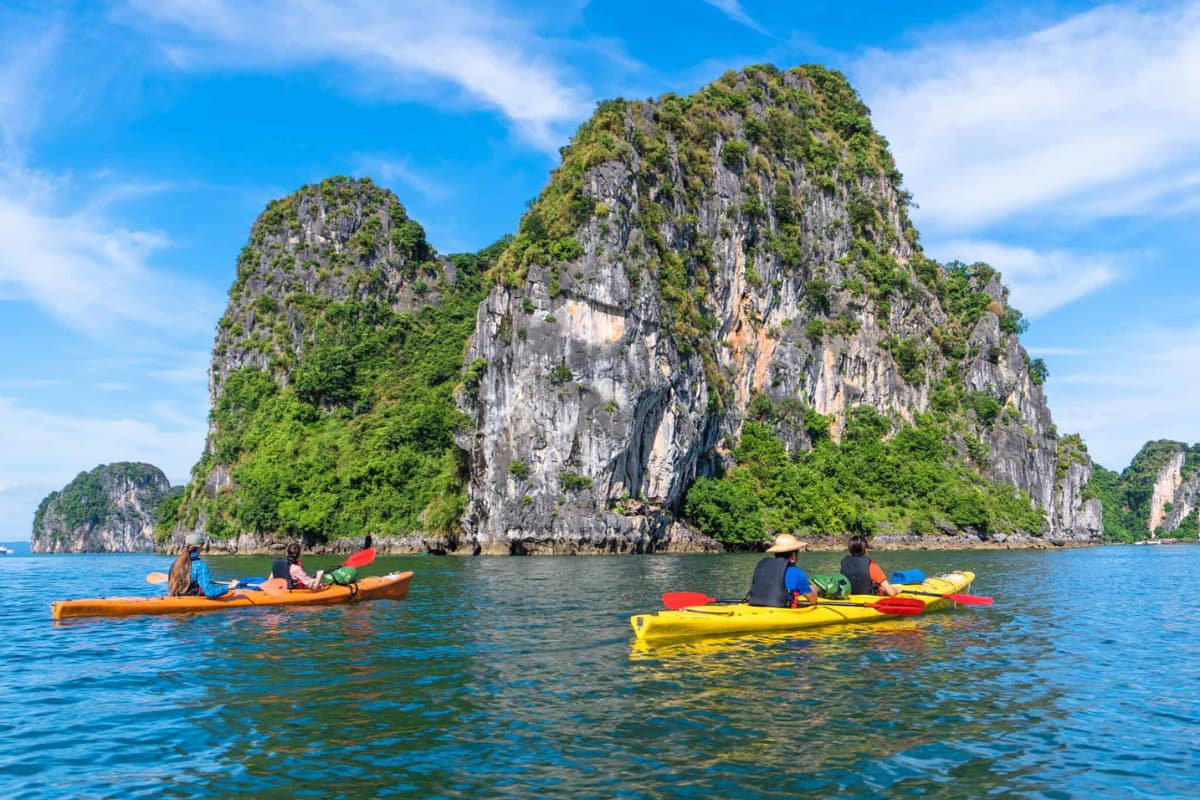
Vietnam is one of Southeast Asia’s most captivating destinations, filled with vibrant cities, dramatic landscapes, and a rich cultural heritage that continues to attract millions of travelers each year. Whether you’re exploring misty mountains in the north, golden beaches in the central coast, or bustling markets in the south, every region offers a unique experience waiting to be discovered.
However, to travel smoothly and confidently, it’s incredibly helpful to understand essential Vietnam travel tips before your journey begins. These insights not only help you avoid misunderstandings but also allow you to engage more meaningfully with local culture and daily life.
Many first-time visitors find that having the right Vietnam travel tips makes navigating transportation, choosing where to eat, and adjusting to cultural differences significantly easier. Simple guidance—such as understanding basic etiquette, learning what to expect at local markets, or preparing for the country’s diverse climate—can transform your trip into a far more comfortable and memorable adventure.
As you move through this guide, you’ll discover practical advice designed to support you from arrival to departure. With the right preparation and a clear understanding of how things work locally, you’ll be able to appreciate the warmth, beauty, and authenticity that make Vietnam one of the most rewarding destinations in the world.

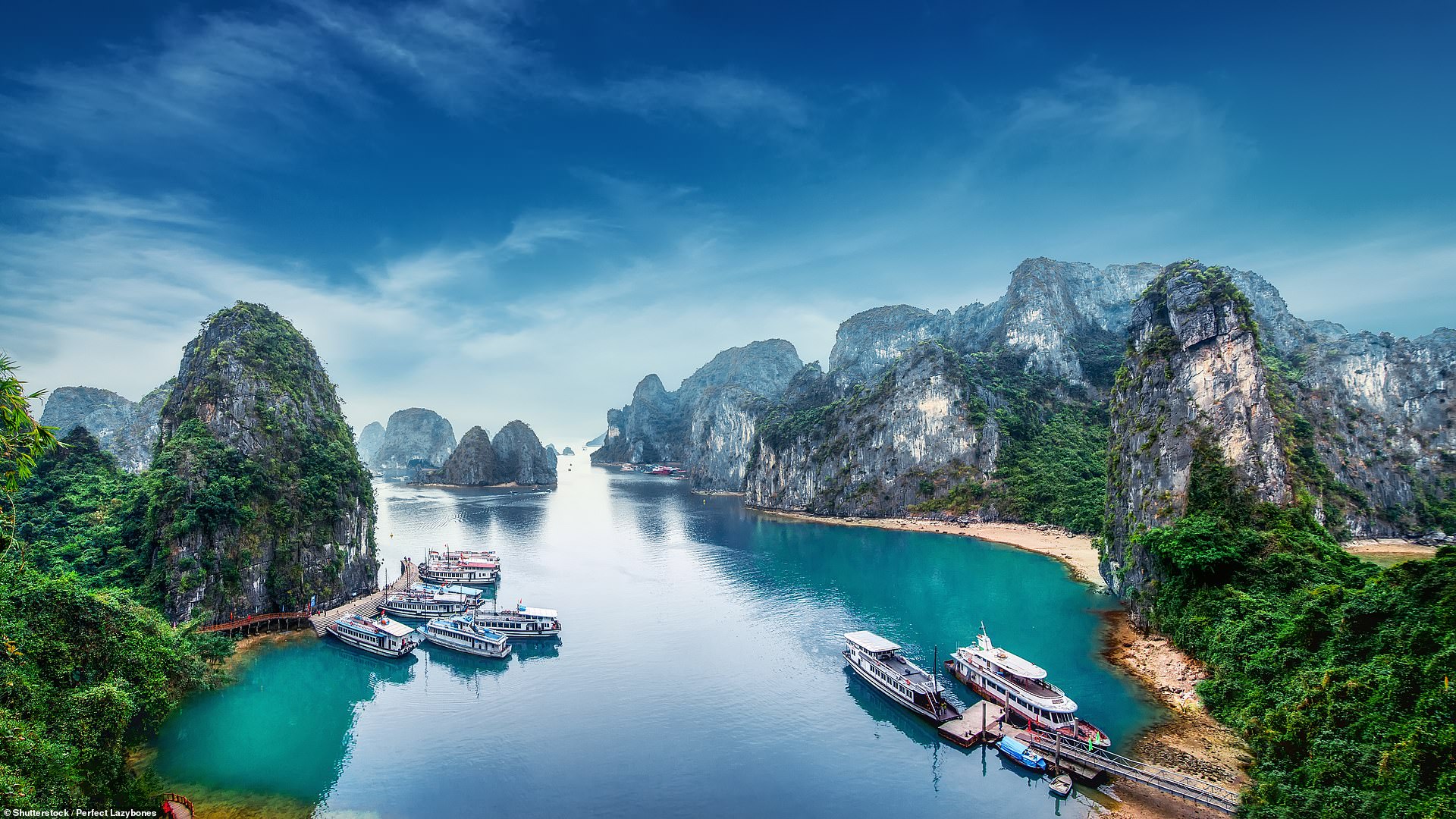
Vietnam travel tips guide showing Hoan Kiem Lake in early morning Hanoi
Essential Vietnam Travel Tips
Best Time to Visit Vietnam
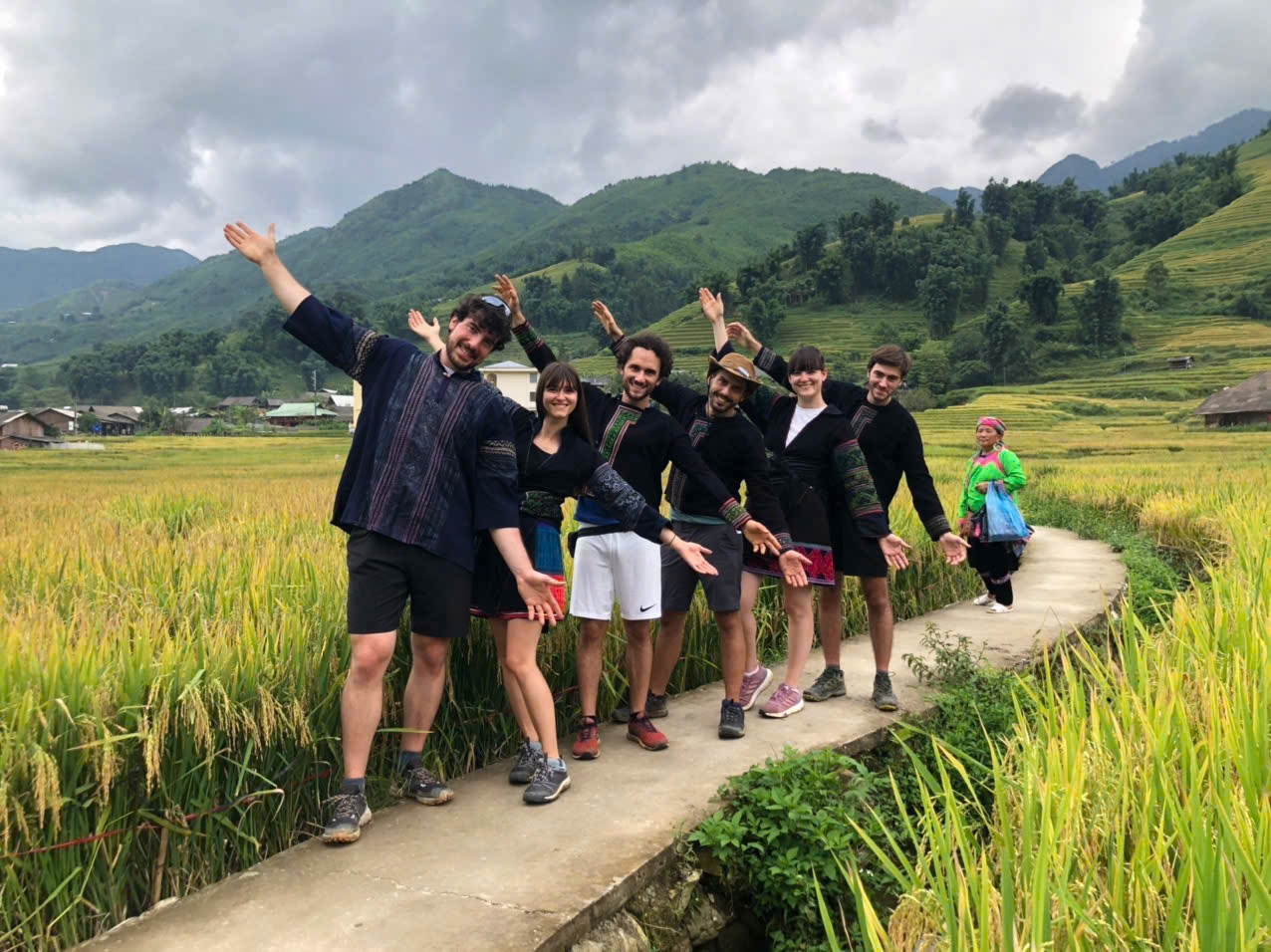
Understanding the best time to visit the country is one of the most valuable Vietnam Travel Tips you can prepare before your trip. Vietnam stretches more than 1,600 kilometers from north to south, creating three distinct climate zones. This means the weather can vary dramatically depending on where you go, and planning your itinerary around seasonal changes can significantly improve your experience. In the north, winter months from December to February bring cool temperatures and misty landscapes, perfect for exploring Hanoi’s Old Quarter or trekking in Sapa. Meanwhile, summers can be hot and humid, with occasional heavy rain.
Central Vietnam has a different rhythm. From February to August, the region experiences sunny, warm days ideal for beach escapes in Da Nang, Hoi An, and Quy Nhon. However, from September to November, this area can face typhoons and heavy rainfall. Planning ahead using a reliable Vietnam weather guide will help you avoid disruption and stay flexible with your activities.
In the south, the weather stays warm year-round, with a dry season from December to April and a rainy season from May to November. Even during the rains, showers usually come in short bursts, so travel is still comfortable. By understanding these seasonal patterns, you can tailor your schedule to match your preferred travel style—whether that’s beach relaxing, city exploring, or mountain adventures. This awareness allows you to apply Vietnam Travel Tips effectively and enjoy the country at its very best, no matter the time of year.

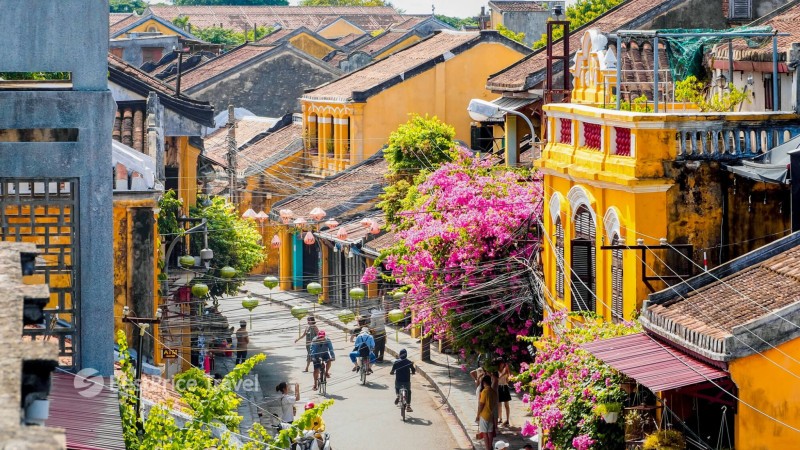
Vietnam Travel Tips example highlighting the best travel season in Hoi An
Visa and Entry Requirements
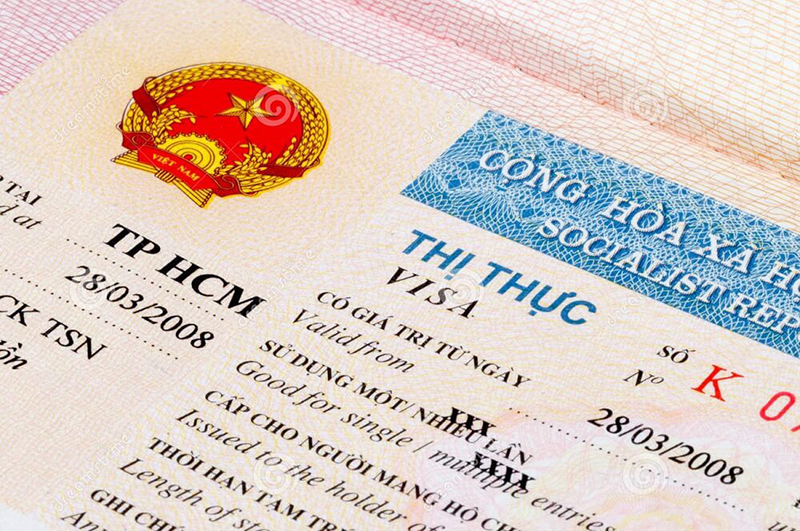
Learning how to navigate visas and border procedures is one of the most essential Vietnam travel tips for a smooth start to your trip. Vietnam offers several visa options depending on nationality, purpose of travel, and length of stay.
Many visitors are eligible for an e-visa, which is convenient and can be applied for online before arrival. The process typically requires a passport valid for at least six months, a digital photo, and payment of the processing fee. Approval usually takes a few days, but applying early is always recommended.
Some travelers may qualify for visa exemptions that allow short stays without pre-approval. These exemptions vary greatly by country, so it is important to confirm your eligibility before departure. For longer stays or specific travel purposes, such as volunteering, business, or multiple entries, applying through an embassy or consulate remains the best option. Understanding the Vietnam entry process helps you avoid last-minute complications and ensures you have the correct documentation ready upon arrival.
At the airport, immigration procedures are straightforward, but queues can be long during peak hours. Keep your documents accessible, double-check your approved dates, and ensure your passport has empty pages for stamping. Having a printed visa approval or confirmation email is also helpful.
By preparing in advance and knowing what to expect at immigration, you can begin your journey with confidence. These simple yet practical Vietnam travel tips save time, prevent misunderstandings, and set the tone for a smooth and enjoyable visit.

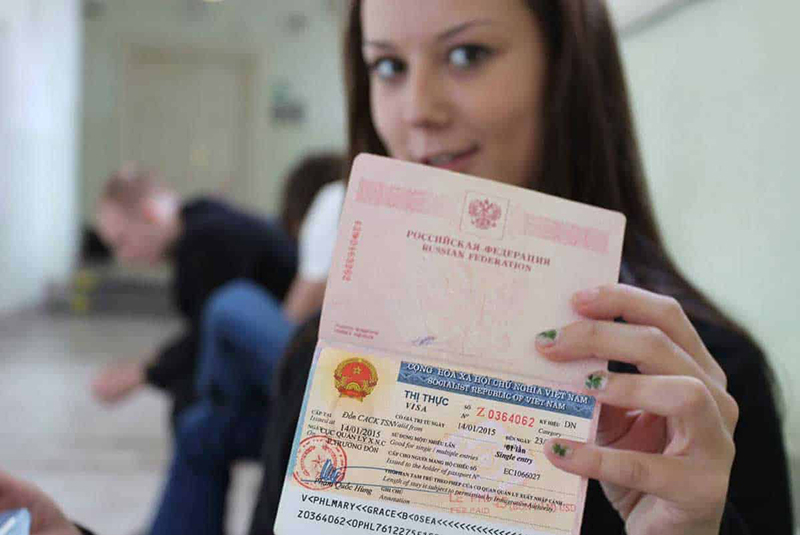
Vietnam Travel Tips example demonstrating how to apply for a Vietnam e-visa online before arrival
Money, Payments, and Currency Tips
Managing your money wisely is a crucial part of applying effective Vietnam travel tips during your trip. Vietnam primarily uses cash for daily transactions, especially in markets, street food stalls, and small shops. While credit cards are increasingly accepted in hotels, modern cafés, and upscale restaurants, international transaction fees can add up quickly. This makes it useful to withdraw moderate amounts of cash from reputable ATMs located at banks or inside shopping centers.
The Vietnamese currency is the VND, and the large number of zeros can be confusing for first-time visitors. Bills look similar in color, so take your time when paying to avoid mistakes. A bit of basic Vietnam currency advice goes a long way: familiarize yourself with common denominations, count your change carefully, and avoid exchanging money at airports where rates are less favorable. Instead, choose licensed exchange counters or banks for better accuracy and security.
Mobile payments are becoming more popular among locals, but most international travelers do not have access to domestic e-wallets. For convenience, carrying a combination of cash and at least one widely accepted card is ideal. Keep small denominations handy for taxis, drinks, or entrance fees.
Another important aspect of financial awareness is avoiding scams. Some vendors may attempt to overcharge tourists, especially in crowded areas. Knowing the approximate cost of everyday items will help you negotiate confidently. By staying informed and applying these practical Vietnam travel tips, you can manage your expenses smoothly and enjoy your trip without unnecessary stress.

Vietnam travel tips on using cash and card payments in Vietnam
Getting Around Vietnam
Transportation Within Cities and Between Regions
Navigating cities and traveling between regions becomes much easier when you understand the country’s diverse network of transport choices. Among all the Vietnam travel tips, learning how to move efficiently can save time, money, and stress. Major cities like Hanoi, Ho Chi Minh City, and Da Nang offer convenient ride-hailing services, taxis, buses, and even metro systems in some areas.
Ride-hailing apps are especially useful because fares are transparent, routes are tracked, and you don’t need to negotiate prices. This makes them ideal for first-time visitors who want a hassle-free urban experience.
For those looking to travel longer distances, Vietnam provides a wide range of Vietnam transportation options, including domestic flights, trains, and intercity buses. Flights are the fastest and most convenient way to cover large distances, particularly between the north and the south.
Trains, on the other hand, offer a more scenic experience, with routes that pass through mountains, coastlines, and rural villages. Night trains are popular among travelers because they save time and accommodation costs while providing a comfortable way to move between major destinations.
Intercity buses and sleeper coaches are another common form of transport, particularly for budget travelers. While they are generally affordable, it is important to choose reputable companies with good safety records. Some routes can be long and winding, so bringing snacks and preparing for extended travel times is advisable.
No matter which method you choose, planning ahead is essential. Booking tickets early during holidays or weekends ensures availability and better prices. By incorporating these practical Vietnam travel tips into your travel routine, you’ll be able to explore the country confidently and comfortably.

Vietnam Travel Tips for traveling between cities by train
Safety Tips for Riding Motorbikes in Vietnam
Riding a motorbike is one of the most iconic ways to experience the country, and it’s common for travelers to feel tempted to try it at least once. However, among all Vietnam travel tips, learning how to stay safe on the road is absolutely crucial. Traffic in major cities is fast-paced, dense, and often unpredictable, especially for those unfamiliar with local driving habits. Before renting a motorbike, make sure you have a valid international driving permit and feel confident operating a vehicle in chaotic conditions.
A key aspect of Vietnam motorbike safety is selecting a reliable rental company. Always choose a provider that maintains its vehicles professionally, offers helmets that meet safety standards, and provides insurance options. Inspect the motorbike before leaving—check the brakes, lights, mirrors, tires, and horn to ensure everything works properly. If something feels off, request another vehicle.
When riding, keep your speed moderate and predictable. Avoid sudden lane changes and be mindful of buses, trucks, and other motorbikes moving around you. Roads can be slippery during the rainy season, and rural areas may have uneven surfaces or unexpected obstacles like animals or construction zones. Wearing closed-toe shoes, long clothing, and a high-quality helmet significantly reduces the risk of injury.
Another essential part of road awareness is staying alert and patient. Vietnamese traffic operates on a flow system where drivers move around each other seamlessly, but this can feel overwhelming to newcomers. If you ever feel uncomfortable, pull over and take a break. Remember that using these responsible Vietnam travel tips not only keeps you safe but also ensures that your motorbike adventure remains enjoyable and memorable.

Vietnam Travel Tips illustration showing a traveler riding a motorbike safely along the coastal road in Ha Giang
Cultural & Etiquette Tips
Social Etiquette and Local Behavior
Understanding how to behave respectfully in everyday situations can significantly enhance your travel experience, which is why cultural awareness is one of the most valuable Vietnam travel tips for visitors. Locals generally appreciate politeness, calm communication, and thoughtful gestures. Loud or confrontational behavior is frowned upon, as Vietnamese culture values harmony and patience. Taking a moment to smile, thank someone, or show gratitude goes a long way in creating positive interactions.
One of the most important aspects of Vietnam cultural manners is the way people greet one another. Handshakes are common in formal settings, while friendly nods or smiles are typical in casual encounters. Personal space can be smaller than what many Western travelers are used to, but physical affection—such as hugging or touching strangers—is not customary. Respect also extends to how you treat elders; offering them priority in lines, seats, or conversations is considered good etiquette.
When visiting markets or local shops, bargaining is acceptable, but it should be done politely. Vendors appreciate when travelers negotiate with a friendly tone rather than aggressive demands. If you decide not to buy something, simply smile and walk away. Another cultural practice to be aware of is removing your shoes before entering certain homes or small guesthouses. If you see a pile of shoes at the entrance, it’s a clear sign to follow the custom.
Being mindful of your gestures is equally important. Avoid pointing directly at people, and use your whole hand instead of a single finger when indicating directions or objects. With these thoughtful Vietnam Travel Tips, you’ll find it easier to build meaningful interactions and show appreciation for the traditions that shape daily life in the country.

Vietnam travel tips on respectful etiquette when interacting with locals
Dining Etiquette and Temple Conduct
When exploring local cuisine and sacred spaces, knowing how to behave respectfully is essential. This is why many Vietnam travel tips emphasize the importance of understanding mealtime customs and temple etiquette before you arrive. Vietnamese dining culture is communal, friendly, and centered around sharing. When eating with locals, dishes are often placed in the center for everyone to enjoy. It is polite to wait until the eldest person starts eating before you begin. Additionally, always use serving spoons when taking food from shared plates—this small gesture reflects respect and cleanliness.
Chopstick manners are another key part of the dining experience. Never stick your chopsticks upright in a bowl of rice, as it resembles rituals associated with funerals. Instead, place them neatly on a rest or across your bowl when not in use. Slurping is generally acceptable, especially when enjoying noodle dishes, but avoid speaking with your mouth full or reaching across the table. A friendly “thank you” after the meal shows appreciation for the host’s hospitality.
Beyond dining customs, understanding Vietnam temple etiquette is crucial when visiting spiritual sites. Temples and pagodas are peaceful environments meant for reflection, so speak softly and walk slowly. Dress modestly by covering shoulders and knees, and remove hats or sunglasses upon entering. Photography may be restricted in certain areas, particularly near altars or during rituals, so look for signs or ask permission.
Never touch religious statues or sacred objects, and avoid pointing your feet toward altars while sitting. Donations are welcomed but not required; placing a small amount in designated boxes is a respectful gesture. By applying these thoughtful Vietnam travel tips, you’ll be able to enjoy authentic cultural experiences while showing genuine respect for the spiritual values cherished by locals.

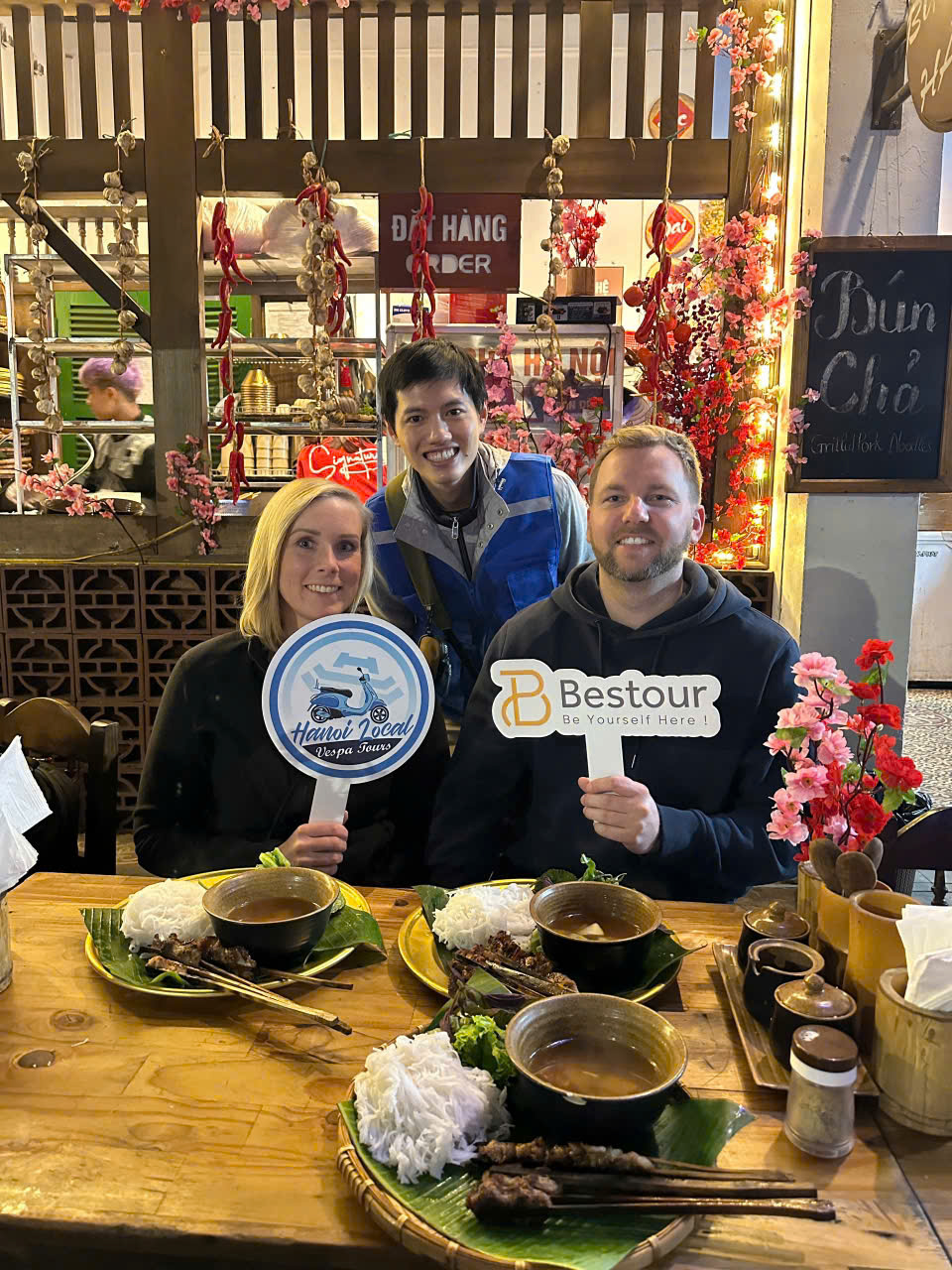
Vietnam Travel Tips showing proper dining etiquette with shared Vietnamese family-style dishes
Food, Safety & Common Scams
Food Safety Tips for Travelers
Food is one of the greatest highlights of traveling in the country, and understanding how to eat safely is one of the most practical Vietnam travel tips for every visitor. From fragrant noodle soups to sizzling stir-fries and fresh herbs, the culinary scene is vibrant and full of flavor. However, because many meals are served outdoors or prepared quickly at local stalls, it’s wise to pay attention to hygiene standards to ensure an enjoyable and problem-free dining experience.
A useful guideline for Vietnam street food safety is to look for busy stalls with a steady stream of customers. High turnover often indicates fresh ingredients and trusted vendors. Observe how the food is handled; stalls that keep raw and cooked ingredients separate, maintain clean cooking surfaces, and store utensils properly are generally safer choices. Another practical tip is to choose dishes that are cooked thoroughly at high heat, as this significantly reduces the risk of contamination.
When it comes to drinking water, stick to sealed bottled water from reputable brands. Avoid ice in areas where water quality is uncertain, as ice cubes may not be produced from filtered water. Many travelers also prefer to carry hand sanitizer or wet wipes, especially when eating at outdoor markets where handwashing facilities may not always be available.
Fruits sold whole are generally safe, but avoid pre-cut fruit that has been left exposed for long periods. If you have a sensitive stomach, gradually introduce new foods rather than trying everything at once. With the right combination of awareness, observation, and helpful Vietnam Travel Tips, you can fully enjoy the incredible diversity of local dishes with confidence and peace of mind.

Vietnam travel tips for choosing safe street food in Vietnam
Common Travel Scams and How to Avoid Them
Staying alert to common scams is another essential part of applying smart Vietnam travel tips during your trip. While the majority of locals are honest, friendly, and welcoming, tourist-heavy areas may attract individuals who try to take advantage of visitors unfamiliar with local prices or customs. Understanding these situations ahead of time will help you stay confident and avoid unnecessary problems.
One of the most common Vietnam travel scam warnings involves taxi drivers who refuse to use the meter or use manipulated meters that rise quickly. To avoid this, choose reputable taxi companies or use ride-hailing apps where prices are predetermined. Another frequent issue occurs at markets or street stalls where prices may be inflated for tourists. Knowing approximate price ranges and politely negotiating can help you avoid overpaying.
Be cautious of unsolicited “helpers” who approach you near ATMs, bus stations, or tourist landmarks. They may offer assistance but then demand payment afterward. Politely decline and handle your own transactions. Pickpocketing can also occur in crowded areas such as night markets or busy intersections; keep your belongings secure and avoid placing valuables in easily accessible pockets.
A more sophisticated scam involves motorbike rental companies that falsely claim damage to the vehicle upon return. To prevent this, take photos or videos of the motorbike before riding and choose well-reviewed rental shops. When booking tours, ensure you are dealing with legitimate agencies—check reviews, compare details, and avoid paying large deposits upfront.
By staying attentive and applying these reliable Vietnam travel tips, you’ll be able to navigate unfamiliar environments safely and enjoy your travels with confidence.

Vietnam Travel Tips – How to Avoid Taxi Scam in Vietnam
Packing & Practical Essentials
What to Pack for a Comfortable Trip
Preparing the right items before your trip can make a significant difference in your overall comfort, and this is why packing guidance is one of the most practical Vietnam travel tips for travelers. The climate varies widely across the country, so choosing versatile clothing is essential. Lightweight, breathable fabrics are ideal for the heat and humidity commonly found in southern and central regions, while a light jacket or sweater is useful for cooler northern weather or air-conditioned indoor spaces. Those visiting mountainous areas may need warmer layers, especially during winter months.
A smart Vietnam packing list includes comfortable walking shoes, as many attractions involve plenty of exploring on foot—whether through old towns, markets, or natural landscapes. Sunscreen, sunglasses, and a hat are also important, given the strong tropical sun. For rainy seasons, a compact travel umbrella or lightweight rain jacket is extremely helpful. Insects can be bothersome in certain regions, so insect repellent is a valuable addition.
Beyond clothing, consider packing a small first-aid kit with basic medications for headaches, stomach discomfort, and minor injuries. While pharmacies are easy to find in major cities, having immediate supplies is convenient during long excursions or rural travel. Reusable water bottles are also helpful for staying hydrated while reducing plastic waste.
For electronics, bring a universal travel adapter, portable charger, and any necessary cables. Wi-Fi is widely available, but having a power bank ensures your devices remain functional throughout the day. By combining thoughtful preparation with smart Vietnam travel tips, you’ll feel well-equipped and ready for any activity the country has to offer.

Vietnam Travel Tips on essential items to pack for your trip
SIM Cards, Connectivity, and Must-Have Travel Apps
Reliable connectivity makes traveling more convenient, and understanding your options is one of the most useful Vietnam travel tips for modern travelers. Upon arrival, purchasing a local SIM card is the easiest way to stay connected. Major providers offer affordable data packages with strong nationwide coverage, including in rural areas. The process typically takes only a few minutes at airport kiosks or mobile stores, and staff can assist with activation if needed.
Staying connected lets you navigate maps, translate languages, and communicate with accommodations or drivers easily. To enhance your experience even further, consider downloading a set of essential Vietnam travel apps that support everything from transportation to food delivery. Ride-hailing applications simplify moving between attractions and provide transparent pricing, while navigation apps help you explore confidently even in busy urban areas.
Language translation tools are also valuable, particularly when interacting with vendors, reading menus, or asking for directions. Many restaurants and shops may not speak English fluently, so having instant translation on your phone helps avoid confusion. Weather apps are especially useful due to the country’s rapidly changing climate, allowing you to adjust your plans based on rain forecasts, heat levels, or typhoon warnings.
For dining and activity planning, review platforms help you find reputable restaurants, cafes, and tours. These apps highlight popular spots, customer feedback, and estimated prices, making it easier to choose experiences that match your preferences. If you plan to travel long distances, booking platforms allow you to reserve flights, trains, and buses directly online. With the right digital tools and thoughtful Vietnam Travel Tips, you’ll enjoy a smoother, more informed, and more flexible travel experience.

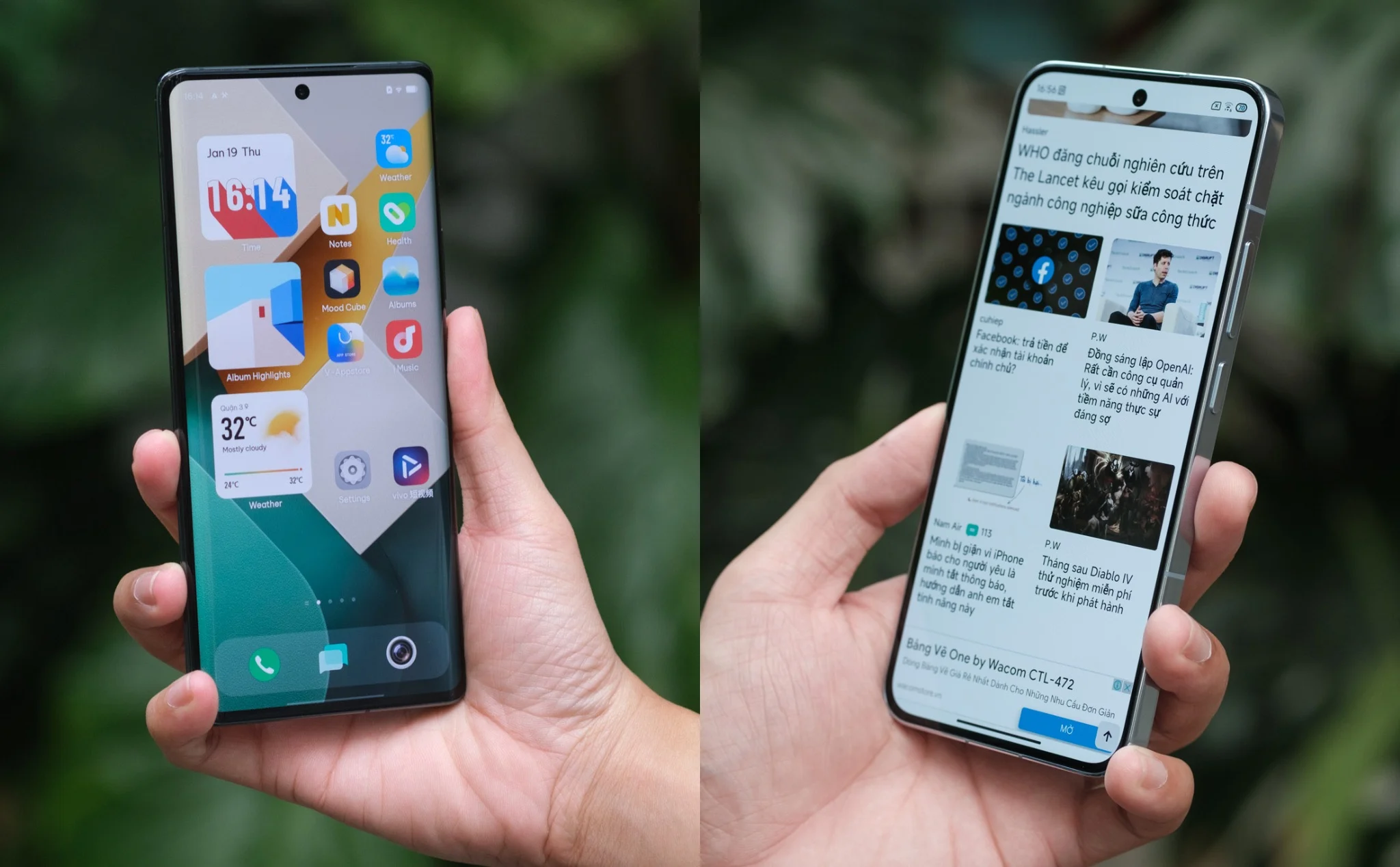
Vietnam travel tips for buying a local SIM card upon arrival
Conclusion
Vietnam is a country where breathtaking landscapes, rich culture, and heartfelt hospitality come together to create an unforgettable travel experience. With a bit of smart preparation and the right local insights—including the Vietnam travel tips you’ve discovered—you can enjoy a journey that unfolds smoothly from the misty mountains of the north to the sun-kissed beaches of the south.
No matter what kind of traveler you are, Vietnam has something truly special waiting for you. Now is the perfect moment to turn your travel dreams into a meaningful and memorable adventure.
Contact Bestour today for personalized travel advice, optimized budgets, and guidance on choosing the perfect season for your trip:
Phone/WhatsApp: +84.968804998
Email: info@bestour.net
Address: No. 55 Bui Thi Xuan Street, Hai Ba Trung District, Hanoi City, Vietnam
Bestour Fanpage: Message us to receive detailed itineraries, destination suggestions, and the latest offers.