Vietnam stretches more than 1,600 kilometers from the northern mountains to the tropical southern coast, creating remarkable contrasts in weather, culture, food, and scenery. If you’re planning your first trip and wondering whether to begin in the north or the south, this guide will help you understand the distinctions clearly. In this introduction, we will explore what makes each region unique and outline the essential factors travelers consider when comparing North vs South Vietnam Travel.
Overview: Why Travelers Often Compare the Two Regions
Many first-time visitors begin their research by looking for a Vietnam North vs South comparison, simply because the country offers two very distinct travel experiences. From landscapes shaped by different climates to variations in culture, food, and daily lifestyle, each region provides something unique.
This contrast is also why many travelers use North vs South Vietnam Travel as a starting point for planning their journey. Understanding these differences early helps you choose destinations that match your interests, whether you prefer misty mountains, vibrant cities, tropical beaches, or peaceful countryside.
Moreover, many guides, including both the Northern Vietnam travel guide and Southern Vietnam travel guide, highlight how the country’s long geographic stretch influences everything—from scenery to social attitudes. These resources often emphasize that your experience can vary greatly depending on where you begin your trip. For this reason, exploring regional characteristics is one of the best ways to prepare before you arrive.

Split landscape of southern beaches illustrating key contrasts discussed in North vs South Vietnam Travel
Climate Differences Between the North and the South
Vietnam’s long S-shaped geography creates two distinct climate patterns. While the north experiences four seasons, the south maintains a consistent tropical climate year-round. These differences strongly influence travel plans, packing choices, and seasonal activities.
Northern Vietnam: Four Distinct Seasons
Northern Vietnam has a subtropical climate, meaning travelers will encounter clear seasonal shifts throughout the year.
Spring (February–April): Mild & Humid
Temperatures are comfortable, with light drizzles and blossoming flowers — ideal for sightseeing in Hanoi or Ninh Binh.
Summer (May–August): Hot & Rainy
Expect intense heat, high humidity, and frequent afternoon showers. This period is also the peak season for Ha Long Bay cruising.
Autumn (September–November): Cool & Pleasant
Considered the most beautiful time to visit the north, with golden sunlight, clear skies, and comfortable temperatures.
Winter (December–January): Cold & Dry
Northern winter can be surprisingly chilly, especially in Sapa or Ha Giang where temperatures drop significantly and fog is common.

Spring scenery in northern Vietnam highlighting seasonal contrasts discussed in North vs South Vietnam Travel
Southern Vietnam: Tropical Warmth All Year
The south remains warm and humid throughout the year, with only two major seasons.
Dry Season (December–April): Sunny & Comfortable
This is the best time to explore Ho Chi Minh City, Mekong Delta, and island destinations like Phu Quoc, thanks to clear skies and low rainfall.
Rainy Season (May–November): Frequent Showers
Rain often comes in short, heavy bursts in the afternoon, while mornings stay clear. Lush landscapes and fewer crowds make this season appealing to many travelers.
Stable Temperatures Year-Round
Unlike the north, temperature differences between months are minimal, staying consistently warm at 25–35°C.

North vs South Vietnam Travel capturing Mekong Delta landscapes under stable warm temperatures
How Climate Affects Travel Planning
Best Time for Northern Vietnam
Autumn and spring offer the most pleasant weather for trekking, city tours, and photography.
Best Time for Southern Vietnam
The dry season provides the best conditions for beaches, outdoor activities, and Mekong Delta boat trips.
Weather-Based Packing Tips
Bring warm layers if traveling north in winter, rain gear during the monsoon season, and lightweight clothing for the tropical south.

North vs South Vietnam Travel climate differences illustrated
Landscape & Natural Highlights of Each Region
Vietnam’s geography stretches more than 1,600 kilometers from north to south, creating dramatically different landscapes. Each region offers its own signature scenery, shaped by climate, terrain, and cultural history.
Northern Vietnam: Majestic Mountains & Limestone Wonders
Northern Vietnam is famous for its rugged beauty and dramatic formations.
Karst Landscapes and Iconic Peaks
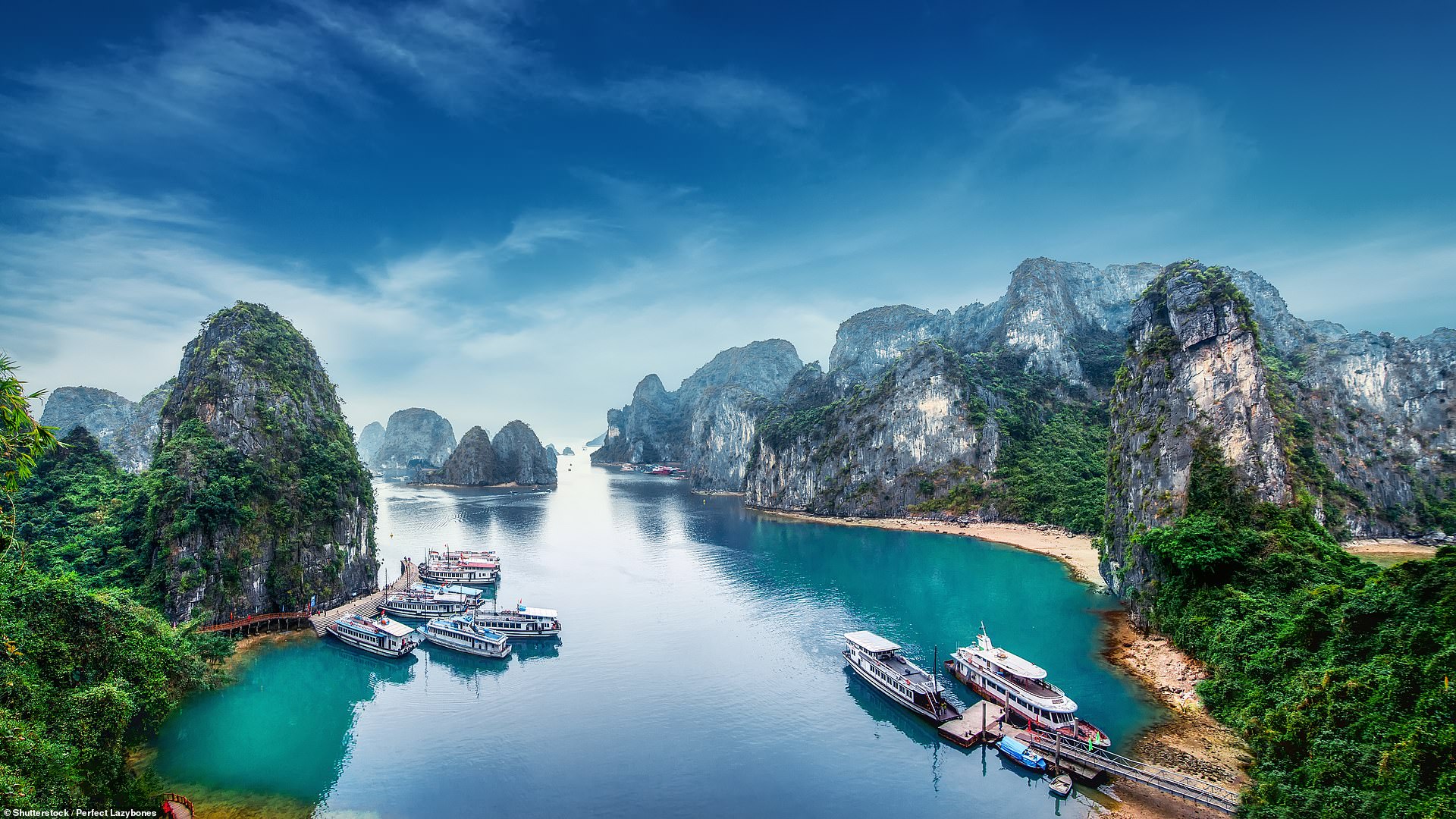
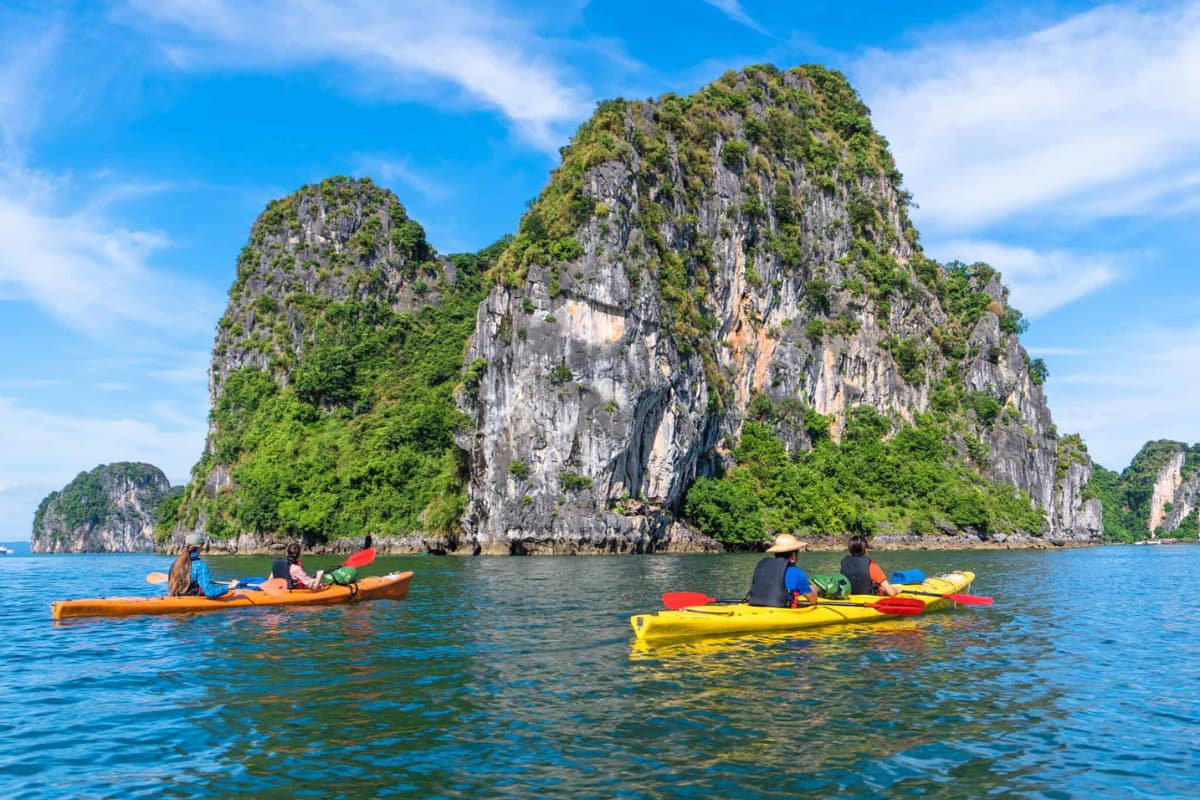
Northern provinces like Ninh Binh and Ha Long feature towering limestone cliffs, serene rivers, and emerald-green fields that create postcard-perfect views. These karst formations are among Vietnam’s most recognizable natural icons.
Terraced Rice Fields and Highland Valleys
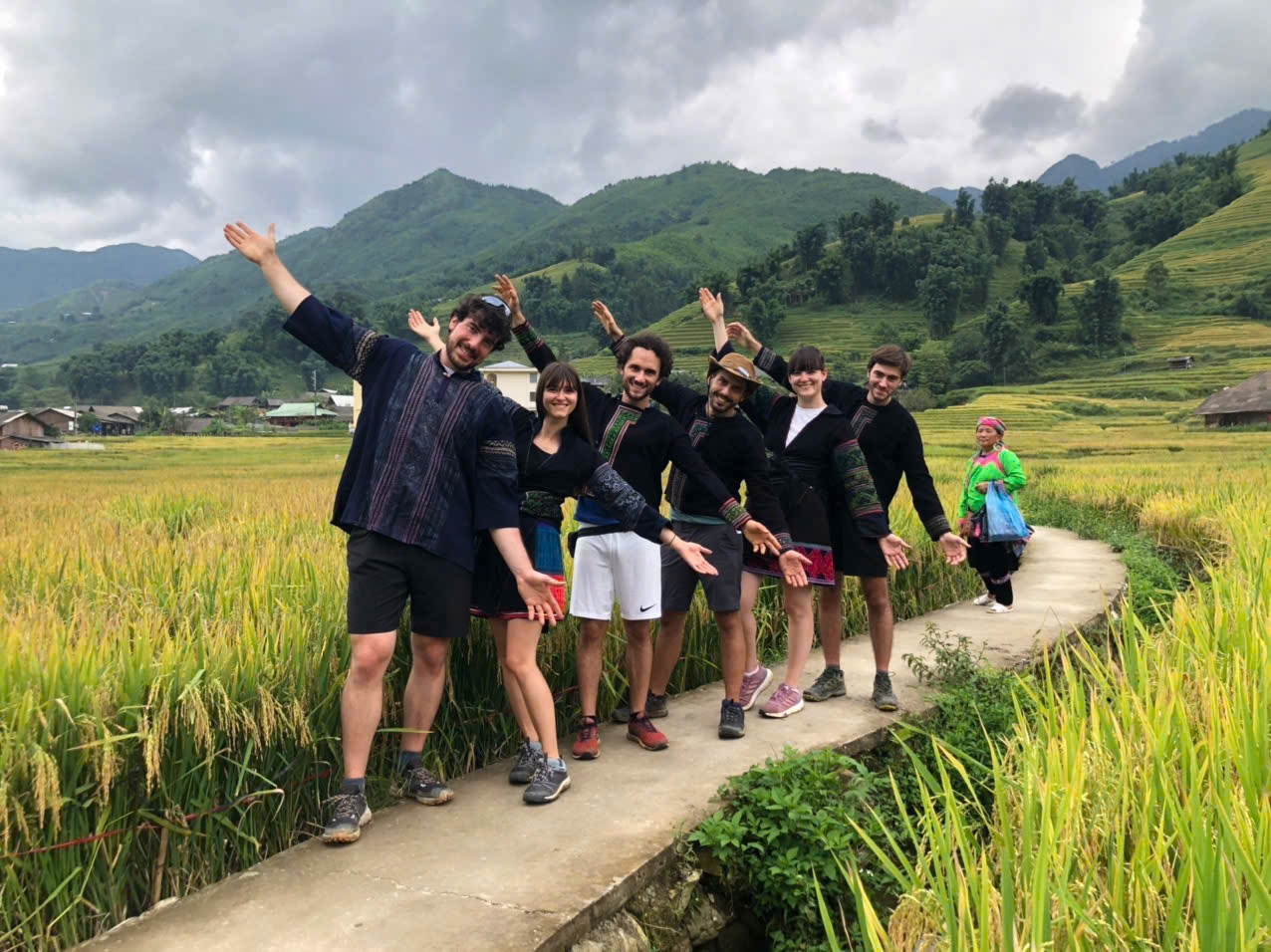
Sapa, Ha Giang, and the northern highlands offer breathtaking rice terraces carved into mountain slopes. The scenery changes each season—golden during harvest, emerald in summer, and misty in winter—creating endless photography opportunities.
Cooler Climate with Seasonal Variety
With four distinct seasons, the north introduces dramatic shifts in scenery, from blooming spring flowers to winter fog and even occasional frost in the mountains.

North vs South Vietnam Travel northern landscapes including mountains and karst
Central Vietnam: Beaches, Mountains & Heritage Landscapes
Central Vietnam blends coastal beauty with ancient cultural sites.
Beautiful Coastlines & Long Sandy Beaches
The region hosts some of Vietnam’s most loved beaches—Da Nang, Hoi An, Quy Nhon—featuring soft sands, calm waves, and vibrant sunrises.
Mountain Passes & Scenic Coast Roads
Iconic drives like Hai Van Pass showcase sweeping views of ocean, jungle, and curving mountain roads—perfect for road-trip lovers.
Rivers, Ancient Towns & Cultural Scenery
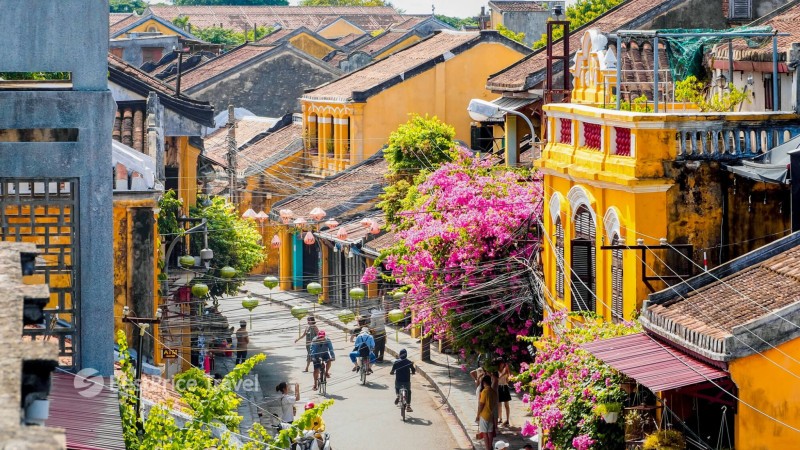
The Thu Bon River flowing through Hoi An creates a magical mix of water scenery and lantern-lit heritage architecture, giving central Vietnam a unique charm.

Thu Bon River sunset view emphasizing heritage beauty in North vs South Vietnam Travel
Southern Vietnam: Tropical Lowlands & River Deltas
The south is all about lush greenery and river life.
The Mekong Delta’s Water World
Southern Vietnam features vast networks of rivers and canals lined with coconut trees, fruit orchards, and floating markets. It’s a peaceful, tropical landscape shaped by water and agriculture.
Island Paradises & Coral Reefs
Destinations like Phu Quoc and Con Dao offer turquoise water, white sand, and rich marine biodiversity—ideal for beach vacations and snorkeling.
Urban Growth Meets Natural Greenspace
Even busy Ho Chi Minh City contrasts skyscrapers with parks, tree-lined boulevards, and nearby nature escapes like Can Gio mangrove forest.

North vs South Vietnam Travel southern landscapes and tropical scenery
Cultural Characteristics & Lifestyle Distinctions
Culture is one of the most interesting elements when comparing North vs South Vietnam Travel. The two regions share the same national identity, yet centuries of history, climate, and economy have shaped different lifestyles, communication styles, and traditions. These cultural nuances often become some of the most memorable experiences for travelers.
Northern Vietnam: Traditional, Reserved & History-Focused
Deep Historical Roots and Heritage
Northern Vietnam is widely considered the cradle of Vietnamese civilization. Hanoi, with its ancient temples, Confucian legacy, and French colonial architecture, reflects a strong sense of tradition and cultural preservation. This also explains why many travelers search for a Northern Vietnam travel guide when planning cultural routes.
More Reserved Communication Style
Locals in the north tend to be more formal and restrained in daily interactions. Travelers often notice politeness, thoughtful communication, and a preference for calm expressions.
Slower, More Reflective Lifestyle
Despite being home to large cities, the northern lifestyle feels more traditional. Family rituals, seasonal festivals, and long-standing customs remain essential parts of everyday life.

North vs South Vietnam Travel cultural and lifestyle differences
Southern Vietnam: Open, Energetic & Adaptable
Friendly, Outgoing People
Southern locals are known for being warm, easygoing, and straightforward. This welcoming attitude is often highlighted in many Southern Vietnam travel guide recommendations, especially for first-time visitors.
A Fast-Paced, Dynamic Rhythm of Life
Ho Chi Minh City represents the energy of the south: modern, entrepreneurial, and always evolving. The region embraces new ideas quickly, creating a lively atmosphere that contrasts with the north’s formality.
Cultural Diversity Influenced by Trade & Migration
Southern Vietnam has long been a hub for international trade and migration, especially in the Mekong Delta. This results in a multicultural blend seen in local festivals, architecture, and traditions.

Southern Vietnam cultural diversity presented through festivals in North vs South Vietnam Travel
Cultural Differences Travelers Often Notice
Lifestyle & Mindset Variations
The south’s lifestyle is more flexible and spontaneous, while the north tends to be structured and detail-oriented. These contrasts are commonly referenced in discussions about North Vietnam culture vs South Vietnam culture.
Daily Life Atmosphere
The north feels nostalgic and poetic with traditional neighborhoods, while the south is vibrant and bustling with cafés, nightlife, and street activity.
History, Art & Local Storytelling
The north highlights ancient dynasties, revolution-era stories, and classical arts. The south showcases folk culture, waterway traditions, and a spirit of openness shaped by river life.
Food Comparison Between Both Regions
Cuisine is one of the most exciting aspects to explore when considering North vs South Vietnam Travel. The country’s long geography and diverse climate create clear distinctions in flavors, cooking techniques, and ingredients. These differences reflect history, lifestyle, and regional identity — making each meal a cultural discovery.
Northern Vietnam: Subtle, Balanced & Seasonally Influenced
Lighter Seasoning & Traditional Techniques
Northern dishes often feature mild flavors, emphasizing natural aromas rather than strong spices. Salt, fish sauce, and fresh herbs are used in moderation, offering a balanced taste profile.
Iconic Northern Dishes
Guests can expect classics like pho Hanoi, bun cha, and freshwater dishes sourced from rivers, lakes, and rice fields. These recipes highlight harmony and simplicity, shaped heavily by cooler seasonal weather.
Fresh Herbs and Broths with Pure Flavors
Broths are clear, light, and aromatic, reflecting a long culinary tradition rooted in refinement and minimalism.

North vs South Vietnam Travel food comparison between northern and southern dishes
Southern Vietnam: Bold, Sweet & Rich in Fresh Produce
Sweeter, More Vibrant Taste Profiles
The abundance of sugarcane, coconut, and herbs in the south directly influences the region’s cuisine. Southern dishes tend to be sweeter, richer, and more flavorful — a strong contrast to the north.
Southern Specialties
Meals like hu tieu, com tam, and seafood-based dishes from coastal provinces reflect the region’s tropical environment and multicultural culinary history.
Abundance of Tropical Ingredients
Coconuts, fruits, and aromatic vegetables are widely used, contributing to the richness and brightness of southern cooking.

Southern Vietnamese hu tieu showcasing bold tropical flavors in North vs South Vietnam Travel
Key Culinary Differences Travelers Notice
Flavor Foundations
The contrast between subtle northern cuisine and bold southern dishes is often highlighted when travelers explore Vietnam food differences North and South.
Ingredient Availability
Cooler climates in the north favor freshwater fish, seasonal greens, and simple broths, while the tropical south offers seafood, fruit, and abundant herbs.
Dining Culture & Portion Styles
Northern meals tend to be balanced and minimalist, while southern meals feel heartier, with multiple ingredients and generous portions inspired by agricultural abundance.

North vs South Vietnam Travel food comparison showing differences in northern and southern Vietnamese cuisine.
Costs, Accessibility & Travel Convenience
Understanding costs and transportation is essential when comparing North vs South Vietnam Travel. While both regions offer affordable options, their economic structure, tourism development, and geography create noticeable differences. These factors also shape broader Vietnam regional differences, influencing how travelers plan their routes and budgets.
Travel Costs: Accommodation, Food & Activities
Northern Vietnam: Generally Cheaper for Land Tours
Tours such as trekking, eco-adventures, and cultural excursions are typically more affordable in the north. Destinations like Sapa, Ha Giang, and Ninh Binh offer budget-friendly guesthouses and homestays, making the region ideal for backpackers or long-term travelers. For many visitors comparing North vs South Vietnam Travel, the lower cost of northern land tours is a major advantage.
Southern Vietnam: Higher Costs in Popular Destinations
Cities like Ho Chi Minh City and islands such as Phu Quoc tend to have higher prices for accommodation and activities. Dining and transportation remain affordable, but beach resorts and island excursions may cost more than northern equivalents — an important point for travelers evaluating North vs South Vietnam Travel.
Seasonal Price Variations
Prices in the north can fluctuate based on weather because Climate differences in Vietnam affect travel demand. Meanwhile, the south maintains steadier prices thanks to its warm, predictable climate. These variations are a key consideration when planning North vs South Vietnam Travel.

Southern seafood restaurants reflecting higher tourism expenses in North vs South Vietnam Travel
Accessibility & Transportation Between Regions
Northern Vietnam: Convenient for Cultural Circuits
Major tourist hubs like Hanoi, Ha Long, and Ninh Binh are closely connected, making it easy to explore multiple destinations within a short timeframe. Public transport and train routes are well established, which is beneficial for travelers mapping out North vs South Vietnam Travel comparisons.
Southern Vietnam: Excellent Connectivity Through Air & Road
Ho Chi Minh City is the southern transportation hub, offering extensive domestic flights, modern highways, and quick access to the Mekong Delta. Travel times between provinces tend to be shorter due to flatter terrain.
Island Access & Coastal Movement
The south excels in coastal connectivity, with frequent boats and flights to islands. In contrast, northern travel often involves mountainous roads and longer land transfers.

North vs South Vietnam Travel transportation and cost comparison
Convenience for Different Travel Styles
For Fast, Easy, Urban-Based Trips
The south is more convenient with modern infrastructure, proximity to beaches, and easy access to most attractions.
For Slow Travel & Scenic Routes
The north is ideal for travelers who prefer long journeys through mountains, ethnic villages, and remote landscapes.
For Multi-Destination Adventures
Both regions offer excellent routes, but the north is better for loop-style trips, while the south supports flexible weekend getaways.
Which Region Fits Different Types of Travelers?
Choosing between the two regions depends on your travel personality. This section provides a practical Vietnam North vs South comparison to help you decide where to go based on your interests, expectations, and preferred travel pace. The goal is to support smarter decisions for Vietnam trip planning North vs South, especially for first-time visitors.
For Nature Lovers & Adventure Travelers
Why the North Works Best
The north is the top choice for mountain enthusiasts, trekkers, and those who value dramatic landscapes. Many of the best places to visit in North Vietnam include Sapa, Ha Giang Loop, Ba Be Lake, and Ninh Binh — perfect for immersive nature experiences. This makes the region especially appealing for travelers comparing North vs South Vietnam Travel for adventure-focused trips.
Adventure-Focused Itineraries
A North Vietnam itinerary typically includes trekking routes, cultural village stays, and scenic road trips along twisting mountain passes. Travelers seeking authentic local interaction often find the north more rewarding, especially when evaluating North vs South Vietnam Travel through the lens of nature and outdoor exploration.
Cooler Weather & Seasonal Beauty
The region’s seasonal changes enhance each journey, offering golden rice terraces in autumn and misty highlands in winter — a major advantage for anyone assessing North vs South Vietnam Travel and prioritizing cooler, scenic environments.

Trekking through dramatic northern mountains for North vs South Vietnam Travel adventure comparisons
For Beach Seekers, Families & Relaxed Travelers
Why the South Is Ideal
If you prefer sunshine, islands, or laid-back days in tropical water, the south stands out. Many of the best places to visit in South Vietnam include Phu Quoc, Vung Tau, Con Dao, and the Mekong Delta.
Easy, Flexible South-Based Travel
A typical South Vietnam itinerary focuses on coastal towns, river cruises, and modern city experiences. The region’s predictable weather and flat terrain make traveling with kids or seniors especially convenient.
Urban Energy + Coastal Escape
The combination of Ho Chi Minh City’s nightlife and quick access to beaches appeals to travelers who enjoy a balance of excitement and relaxation.

North vs South Vietnam Travel guide for choosing the best region
For First-Time Visitors Unsure Where to Start
Understanding Your Priorities
A common question among travelers is Where to travel in Vietnam first. The answer depends on whether you prioritize culture and mountains (North) or beaches and city life (South).
North for Culture, South for Convenience
The north provides deeper historical insight and traditional atmosphere, while the south offers effortless mobility, modern comforts, and steady warm weather.
Best Approach for New Travelers
If time allows, combining both regions is the most complete option. But if you must choose one for your first trip, aligning your priorities with your travel style will bring the most fulfilling experience.

Traveler deciding where to go first using North vs South Vietnam Travel guidance
Conclusion
Choosing between the two regions ultimately depends on your travel style, interests, and expectations — and understanding these contrasts is the key to making the most of your journey. Whether you seek dramatic mountains, cultural depth, and traditional charm in the north, or vibrant cities, tropical beaches, and river life in the south, each region offers something unforgettable.
By considering climate, culture, landscapes, cuisine, and convenience, your comparison of North vs South Vietnam Travel becomes clearer and more personalized. No matter which region you choose, Vietnam promises rich experiences, warm hospitality, and memories that stay with you long after your trip ends.
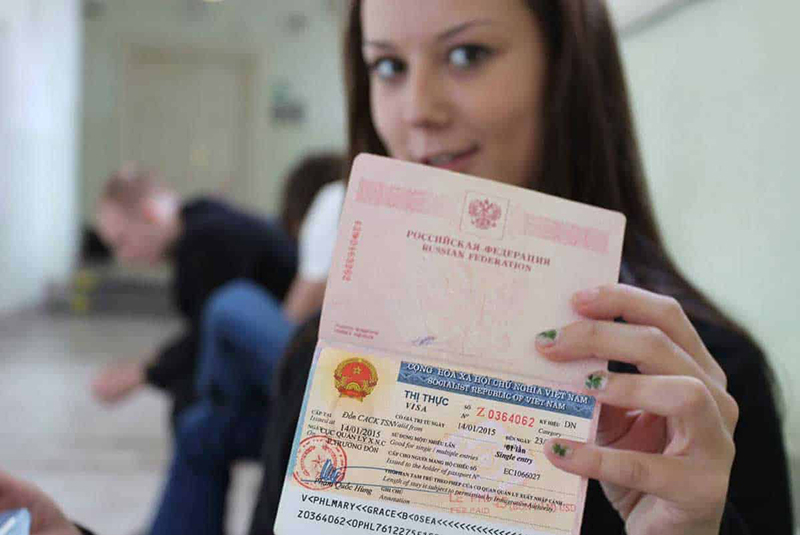
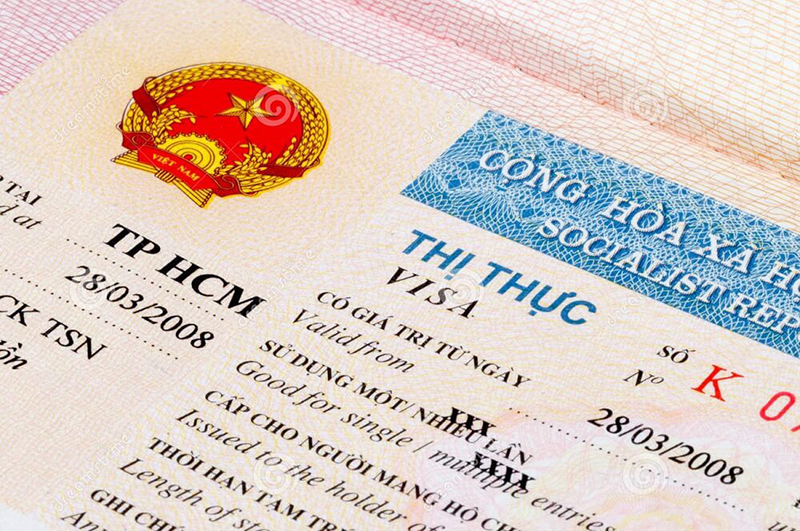
If you want a perfectly planned, worry-free trip, Bestour is ready to accompany you. Our team provides up-to-date visa guidance, customized itineraries, and dedicated support to ensure you enjoy Vietnam from the very first moment.
Hotline: +84.968.804.998
Website: https://bestour.net/
Address : No. 55 Bui Thi Xuan Street, Hai Ba Trung District, Hanoi City, Vietnam