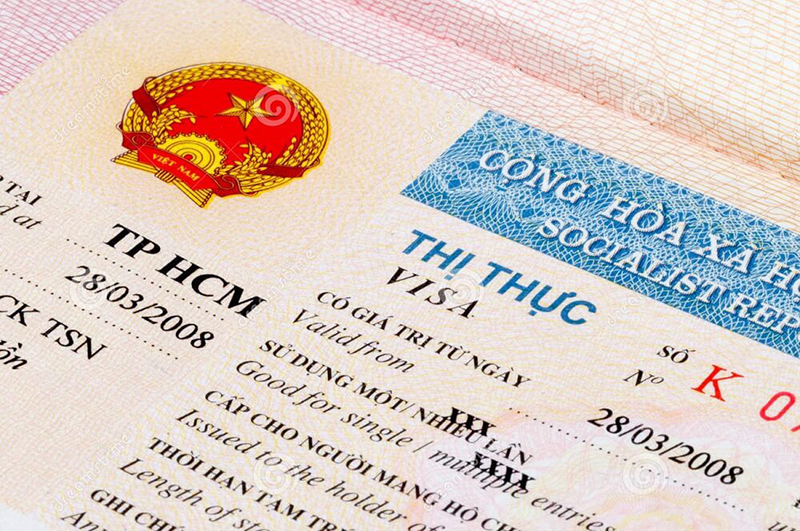
Planning your trip to Vietnam starts with understanding how to obtain your Vietnam travel visa—a requirement for most international visitors. Whether you want to explore Hanoi’s ancient charm, cruise through Ha Long Bay, or discover the vibrant streets of Ho Chi Minh City, having the right visa ensures a smooth and stress-free journey. This guide explains everything you need to know about the Vietnam tourist visa, including requirements, the different types available, and the exact steps to apply. With updated regulations and multiple visa options such as e-visa and visa on arrival, travelers now have more flexibility than ever. Let’s break down the process so you can prepare for your Vietnam adventure with confidence.
Overview of Vietnam Travel Visa Requirements
Before entering Vietnam, most international travelers are required to obtain a Vietnam travel visa, except for citizens of countries eligible for visa exemption. Vietnam currently offers several convenient options, including e-visa, visa on arrival, and embassy-issued visas, giving travelers flexibility based on their itinerary and nationality.
To apply for a visa, visitors typically need a valid passport with at least six months remaining, a recent passport-style photo, and a completed application form. Depending on the type of visa, you may also need additional documents such as travel itineraries or supporting letters.
The Vietnamese Government has streamlined the visa process in recent years, making it easier for first-time visitors. The introduction of the 90-day e-visa, accepted at airports, land borders, and seaports, has made travel smoother than ever. Understanding the basic requirements will help ensure your application is accurate, quick, and stress-free.

Vietnam visa check and passport control at Noi Bai or Tan Son Nhat International Airport
Types of Vietnam Travel Visa
Vietnam offers several visa options designed for different travel purposes and trip lengths. Choosing the right visa type ensures a smooth entry process and helps avoid issues upon arrival. The main categories include the e-visa, visa on arrival, and embassy-issued visa. Each option has its own procedures, requirements, and processing times. Below is a detailed breakdown to help first-time travelers understand which type best fits their itinerary.
Vietnam E-Visa (Highly Recommended for Most Travelers)
The Vietnam e-visa is the most convenient option for the majority of travelers, especially those seeking a simple online application process without visiting an embassy. This visa type is available to citizens of over 80 countries and allows visitors to enter through international airports, land borders, and seaports, making it extremely flexible.
One of the biggest advantages of the e-visa is its 90-day validity and option for single or multiple entry. This makes it ideal for long vacations, slow travel, or regional trips around Southeast Asia where you may want to re-enter Vietnam. The application process takes place entirely online through the official government portal. Travelers upload a passport photo, passport information page, fill out personal details, and pay the visa fee using electronic payment methods.
Processing time usually ranges from three to five business days, although it may take longer during peak travel months. Once approved, the e-visa is emailed as a PDF, which travelers must print and show upon arrival.
The e-visa is suitable for tourism, business trips, family visits, or short-term study. However, it may not be sufficient for longer-term stays or work-related purposes requiring special permits. Still, for the majority of first-time travelers, the e-visa remains the quickest and most efficient way to obtain a Vietnam travel visa.

Screenshot of the official Vietnam Government E-Visa application website interface
Visa on Arrival (VOA)
Visa on Arrival (VOA) is another option commonly used by travelers who enter Vietnam by air. Unlike the e-visa, VOA allows applicants to obtain their visa when they land at major international airports such as Hanoi, Da Nang, and Ho Chi Minh City. However, it is important to note that VOA requires a pre-approval letter from a licensed travel agency before flying.
The process begins by requesting an approval letter online. Once issued, this document allows you to board your flight. Upon arrival, you proceed to the Visa on Arrival counter, submit your passport, photos, the letter, and complete a simple entry form. You then pay the stamping fee in cash, after which the visa is affixed to your passport.
VOA is suitable for travelers who need flexibility in visa duration, as it offers options ranging from 30-day single entry to long-term multiple-entry visas. It may also be useful for passengers who require urgent visas processed within 24 hours.
However, VOA has limitations. It is not available for land or sea entry, and waiting times at airport counters can vary, especially during peak travel seasons. In addition, relying on third-party agencies introduces additional service fees.
While VOA remains a practical choice for some, most travelers today prefer the e-visa for its simplicity and transparency.
Embassy or Consulate Visa
The embassy-issued visa is the most traditional and secure method for obtaining a Vietnam travel visa. This option is suitable for travelers who prefer to have their visa physically stamped in their passport before departure or for those who require special visa categories, such as work visas, student visas, or long-term stays that exceed the limitations of e-visa or VOA policies.
To apply, travelers must visit the nearest Vietnamese embassy or consulate or submit documents through the mail if the consulate offers postal services. Required paperwork typically includes the passport, visa application form, passport-sized photos, travel details, and supporting documents depending on visa purpose. Processing time varies but often ranges from three to seven business days.
An advantage of this method is reliability. Because you receive the visa before traveling, there is no uncertainty at the airport or border. Embassy visas also allow for customized durations and multiple-entry options that may not be available through e-visas.
However, embassy visas require more time, effort, and potentially higher costs. Applicants may need to schedule appointments, travel to the consulate, or wait for postal delivery. Despite these drawbacks, this method remains the best choice for travelers with complex or long-term plans in Vietnam.

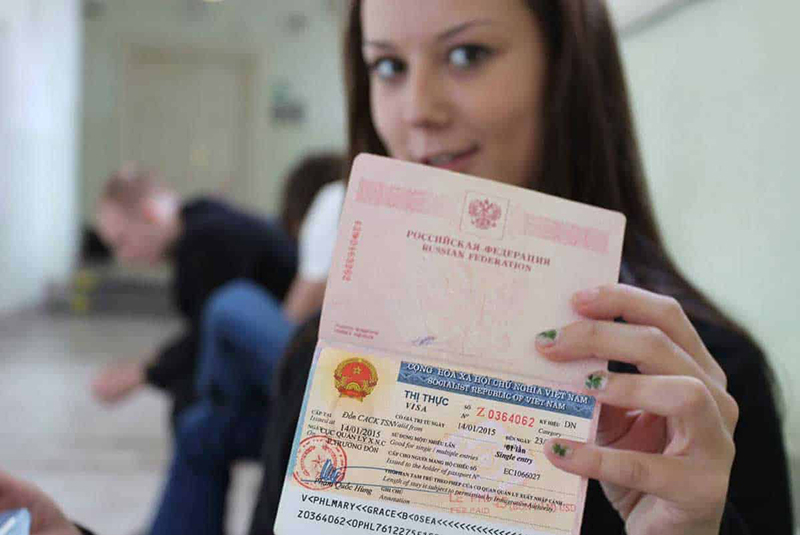
Vietnam travel visa stamp on passport for international tourists
Step-by-Step Guide to Getting a Vietnam Travel Visa
Applying for a Vietnam travel visa is a straightforward process as long as you prepare the required documents and follow the correct steps. Whether you choose an e-visa, visa on arrival, or apply directly at a Vietnamese embassy, the application stages share similar foundations: preparing documents, submitting your form, paying applicable fees, and receiving your visa or approval letter. For first-time travelers, the easiest method is the e-visa because it can be completed online without visiting any office. Below is a detailed step-by-step guide tailored for each visa type, helping you complete the process confidently and avoid common mistakes.
How to Apply for a Vietnam E-Visa (Most Recommended)
Applying for a Vietnam e-visa is the simplest and most convenient method for the majority of international travelers. The entire process is completed online through the official government portal, which makes it especially suitable for tourists, business visitors, and anyone who wants a fast, paperless option.
Step 1: Prepare Your Documents
Before you begin, make sure you have a valid passport with at least six months remaining and one blank page. You’ll also need a digital passport photo (straight face, no glasses) and a scanned copy of your passport information page. High-quality images ensure faster approval.
Step 2: Fill Out the Online Application Form
Visit the official Vietnamese e-visa website and complete the form with your personal details, passport information, expected entry point, and travel dates. Double-check everything to avoid errors — even small mistakes can delay your application.
Step 3: Upload Photos and Passport Copy
Upload your digital passport photo and scanned passport page. Ensure the files are clear and meet the required format.
Step 4: Pay the E-Visa Fee Online
The non-refundable fee must be paid electronically. Once payment is processed, you will receive a registration code; keep it safe to check your application status later.
Step 5: Receive and Print Your E-Visa
Processing typically takes 3–5 working days. When approved, your Vietnam travel visa (PDF format) will be available for download. Print it and carry it with your passport. You’ll show this document at immigration upon arrival.

Vietnam e-visa online application portal for international visitors
How to Apply for Visa on Arrival (VOA)
Visa on Arrival (VOA) is a popular option for travelers who fly into Vietnam and prefer to obtain their visa at the airport. However, it’s important to understand that VOA cannot be obtained without a pre-approval letter, which must be arranged before your trip.
Step 1: Request an Approval Letter
You must contact a licensed travel agency or visa service provider to request the approval letter. Provide your full name, date of birth, nationality, passport number, and arrival date. The agency will submit your information to Vietnam’s Immigration Department.
Step 2: Receive the Approval Letter via Email
Processing time ranges from a few hours to several days depending on the service you choose. The approval letter will be emailed as a PDF, often accompanied by an entry/exit form. Print both documents and keep copies with you.
Step 3: Prepare Required Documents Before Flying
You will need:
- Passport with at least six months validity
- Two passport-sized photos
- Printed approval letter
- Completed entry/exit form
- Cash for the stamping fee (USD is recommended)
Step 4: Submit Documents at the VOA Counter
Upon landing at airports such as Hanoi, Ho Chi Minh City, or Da Nang, go directly to the VOA counter. Hand in your documents and wait for your visa to be issued. Processing times vary — sometimes 10 minutes, sometimes 45 minutes during peak hours.
Step 5: Pay the Stamping Fee and Receive Your Visa
Once approved, pay the stamping fee. Your passport will be returned with a fresh visa sticker. You can now proceed to immigration control.
VOA is useful for travelers needing urgent visas or longer stays, but the e-visa remains the more convenient choice for most.

Visa on Arrival counter at Vietnam international airport
How to Apply for an Embassy or Consulate Visa
Applying through a Vietnamese embassy or consulate is the most secure and traditional method, suitable for travelers needing long-term visas, work permits, or entry types not covered by e-visa or VOA.
Step 1: Locate Your Nearest Embassy or Consulate
Find the nearest Vietnamese embassy in your country. Many allow in-person applications, while some also accept mailed-in documents.
Step 2: Prepare All Required Documents
Depending on your purpose of travel, you may need additional paperwork. Common requirements include:
- Valid passport
- Application form (downloaded from the embassy’s website)
- Passport photos
- Flight or travel itinerary
- Invitation letter (if applicable)
Step 3: Submit Your Application
Submit the documents in person or by mail. Embassy processing tends to be more formal, and officers may request additional information depending on the type of visa.
Step 4: Pay the Visa Fee
Fees vary by country and visa duration. Payments may be made in cash, bank transfer, or money order depending on the consulate’s policy.
Step 5: Receive Your Visa
Processing typically takes 3–7 business days. Your passport will be returned with a fully stamped Vietnam travel visa, allowing you to travel with full confidence before departure.
This method is ideal for travelers who prefer to have everything settled in advance or for those needing specialized visas.
Fees & Processing Time for Vietnam Travel Visa
Understanding the fees and processing time is essential before applying for your Vietnam travel visa. Costs vary depending on the visa type you choose — e-visa, visa on arrival, or embassy visa — as well as the length of stay and number of entries. Processing times also differ, ranging from a few working days to a full week, depending on the method and your nationality. Having clear expectations helps you plan your trip efficiently, avoid last-minute delays, and choose the option that best fits your travel schedule and budget. Below is a detailed breakdown of the fees and processing time for each type of Vietnam travel visa to help you prepare.
E-Visa Fees & Processing Time
The Vietnam e-visa is not only the most convenient option but also one of the most cost-effective. Its fee structure is simple: applicants pay a fixed amount during the online application process. The payment is non-refundable, even if the visa is rejected—something travelers should keep in mind while applying.
E-Visa Fees
Vietnam’s official e-visa typically carries a single processing fee depending on the visa duration. While fees may vary over time, they are generally lower compared to visa on arrival or embassy services. Since applicants pay directly on the government portal, there are no hidden charges or extra service fees, making it a transparent and predictable option.
Processing Time
Processing usually takes 3–5 working days, although it may take longer during public holidays or peak travel seasons. Travelers are advised to apply at least 10 days before departure to ensure enough time for verification or potential corrections. Because the entire process is online, the e-visa is ideal for travelers who want a fast, stress-free way to secure their Vietnam travel visa before arriving.
Urgent Processing
At present, the government portal does not offer an official expedited service. If you need urgent processing, your only alternatives are visa on arrival agencies or embassy applications, though these options may cost more.
Overall, the e-visa offers the best balance of price, convenience, and predictability, making it the top choice for most tourists.

Person completing Vietnam travel visa application online using tablet, passport and boarding pass on desk
Visa on Arrival Fees & Processing Time
Visa on Arrival (VOA) involves two separate costs: the service fee for the approval letter and the stamping fee paid at the airport. Because VOA requires intermediary agencies, pricing varies, and travelers should compare reputable providers to avoid inflated charges.
Service Fee for Approval Letter
You must pay an agency to obtain the official VOA approval letter. The price depends on processing speed:
-
Standard processing (2–3 days): typically the cheapest
-
Urgent processing (4–8 hours): higher cost
-
Super urgent processing (1–2 hours): the most expensive
These fees are paid online before your trip and are non-refundable.
Stamping Fee at the Airport
Upon arrival, travelers must pay a fixed stamping fee in cash. This fee is required for immigration officers to issue your Vietnam travel visa. Payment is usually accepted in USD, so carrying exact change is recommended to avoid delays.
Processing Time at the Airport
Once you land, processing time at the VOA counter varies. During off-peak periods, you may receive your visa within 10–20 minutes. However, during busy seasons, queues can result in wait times of 30–60 minutes or more. The waiting process can be tiring, especially after long flights.
Total Time & Cost Considerations
Although VOA offers flexibility and urgent options, it is generally more expensive than the e-visa. Travelers who prioritize convenience, speed, or fixed pricing may prefer the e-visa instead.
Embassy Visa Fees & Processing Time
Applying for a Vietnam travel visa at an embassy or consulate typically involves the highest degree of formality and predictability. Costs and processing times vary widely depending on the country where you apply.
Visa Fees
Embassy visa fees depend on several factors including:
-
Length of stay
-
Number of entries (single or multiple)
-
Purpose of travel
-
Local embassy policies
Because embassies operate independently, fees differ between countries. Some embassies accept cash payments, while others require bank transfers or money orders. It’s important to check the official website of the embassy in your country before submitting your application.
Processing Time
Embassy processing usually takes 3–7 business days, although some locations offer same-day or express services for an additional charge. Mailing applications may take longer due to shipping time. Applying early ensures enough time for adjustments in case extra documents are required.
When Embassy Visa Is Recommended
An embassy-issued Vietnam travel visa is ideal if you:
-
Need a long-term visa
-
Require multiple entries
-
Are applying for work, study, or other specialized travel purposes
-
Prefer having a physical visa in your passport before traveling
Though it may require more effort, embassy applications offer the most dependable results for complex or long-duration trips.

Vietnam travel visa processing at Vietnamese embassy building
Helpful Tips for a Smooth Vietnam Entry Experience
Entering Vietnam is generally fast and straightforward, but a few smart preparations can make the process even smoother—especially for first-time visitors. Whether you’re using an e-visa, visa on arrival, or an embassy-issued visa, being organized will help you avoid delays at immigration and start your trip without stress. Before traveling, double-check that the details on your Vietnam travel visa match your passport exactly. At the airport, keep your documents ready for inspection, prepare cash for any required fees, and follow signs leading to the immigration counters. If you’re arriving during peak hours, expect some waiting time, so having your printed forms and photos prepared will speed things up. With the right preparation, your Vietnam entry experience will be simple, efficient, and worry-free.
Essential Documents to Prepare Before Arrival
Preparing your documents in advance is the most effective way to ensure a smooth and stress-free entry into Vietnam. Many first-time travelers make simple mistakes—such as forgetting printed copies or using incorrect visa details—which can slow down the immigration process. To avoid this, start by double-checking every piece of information on your Vietnam travel visa. Even small errors in your name, date of birth, or passport number can cause delays or require additional verification at the airport.
Before your flight, print at least two copies of your Vietnam travel visa approval (whether it’s an e-visa or approval letter for Visa on Arrival). Immigration officers may request a physical copy, and having extras saves time if one is lost. Make sure your passport is valid for at least six months beyond your entry date and contains at least one blank page for stamping. If you’re using Visa on Arrival, prepare two passport-sized photos in advance to avoid paying extra fees at the airport.
You should also keep your flight itineraries, hotel bookings, and travel insurance details easily accessible—either printed or saved on your phone. Some immigration officers may ask for proof of onward travel or accommodation details, especially if your travel dates look unclear. Having everything ready speeds up the process and shows that your travel plans are legitimate and well-organized.
Finally, make sure you carry some cash in USD or VND, especially if you’re using Visa on Arrival, as stamping fees must usually be paid in cash. ATMs may not be available before the visa counters, so preparing ahead will prevent unnecessary delays. By organizing all your documents carefully, you’ll breeze through the airport and start your Vietnam adventure without stress.

Passenger double-checking Vietnam travel visa information before departure
Arrival Procedures at Vietnamese Airports
Understanding the arrival procedures at Vietnamese airports can significantly streamline your entry process and help you avoid unnecessary delays. Whether you are flying into Noi Bai (Hanoi), Tan Son Nhat (Ho Chi Minh City), or Da Nang International Airport, the steps are generally the same, but being familiar with the process will make your arrival smoother—especially if it’s your first time visiting Vietnam.
Once you land, follow the signs directing you to Immigration. If you already hold an e-visa or an embassy-issued visa, you can proceed directly to the appropriate immigration line. Have your passport and printed Vietnam travel visa ready for inspection. Officers may ask a few simple questions about your stay, such as where you plan to visit or how long you intend to remain in the country. Answer clearly and confidently—with the correct documents, the process is usually quick.
For travelers using Visa on Arrival (VOA), the procedure is slightly different. Before passing through immigration, you must stop at the Visa on Arrival counter. Present your approval letter, passport photos, and completed entry/exit form. You will also need to pay the stamping fee in cash. After submitting your documents, you may be asked to wait for processing. Depending on the time of day and volume of arrivals, the wait can range from 10 minutes to over an hour. Once your passport is returned with the visa sticker, proceed to immigration like all other passengers.
After immigration clearance, the next step is to collect your luggage from the baggage claim area. Vietnamese airports are generally efficient, but during busy seasons, luggage may take a bit longer to arrive. Once you have your bags, head toward Customs. In most cases, you can walk through the green lane if you have nothing to declare. Random checks may occur, so keep important items accessible.
Finally, when you exit into the arrivals hall, you’ll find currency exchange counters, ATMs, SIM card providers, and transportation options such as taxis and ride-hailing services. By knowing each step in advance, your arrival experience will be smooth, organized, and stress-free—allowing you to start enjoying Vietnam as soon as you land.
Common Mistakes to Avoid When Entering Vietnam
First-time visitors to Vietnam often make a few avoidable mistakes at the airport. One of the most common issues is arriving without the correct visa type—Vietnam’s entry rules vary depending on nationality, so travelers should confirm whether they need an e-visa, visa on arrival approval letter, or are eligible for visa-free entry. Another mistake is forgetting to prepare key documents such as hotel bookings, return tickets, or cash for visa fees, which may be required during immigration checks.
Many visitors also underestimate the importance of filling out customs declarations accurately. Bringing restricted items like certain food products, drones, or large amounts of foreign currency without declaring them may lead to delays or fines. Lastly, travelers frequently overlook local regulations regarding passport validity—Vietnam requires at least 6 months of validity from the arrival date.
Avoiding these small mistakes ensures your entry process is smooth, quick, and stress-free.

Tourists going through immigration for smooth entry into Vietnam
Conclusion
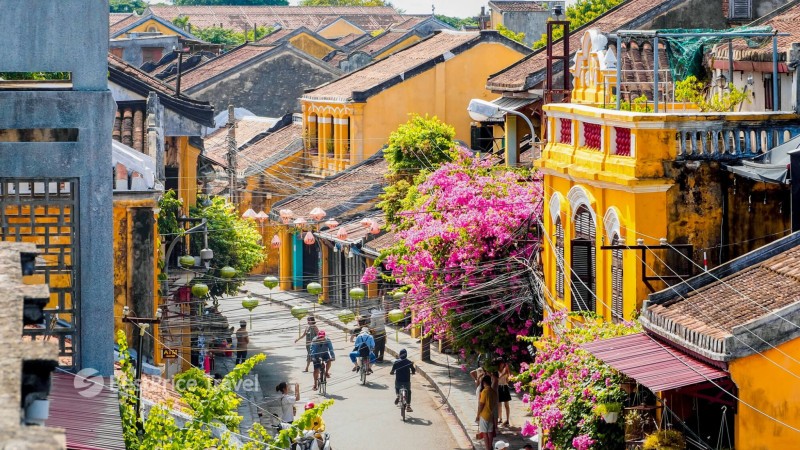
Vietnam welcomes travelers with its blend of rich culture, breathtaking landscapes, and warm hospitality. With the right visa preparation, entry documents, and awareness of common travel mistakes, your first visit can be smooth and stress-free. From the lantern-lit streets of Hội An to the bustling energy of Hồ Chí Minh City, every corner of Vietnam brings something new to discover.
If you want a perfectly planned, worry-free trip, Bestour is ready to accompany you. Our team provides up-to-date visa guidance, customized itineraries, and dedicated support to ensure you enjoy Vietnam from the very first moment.