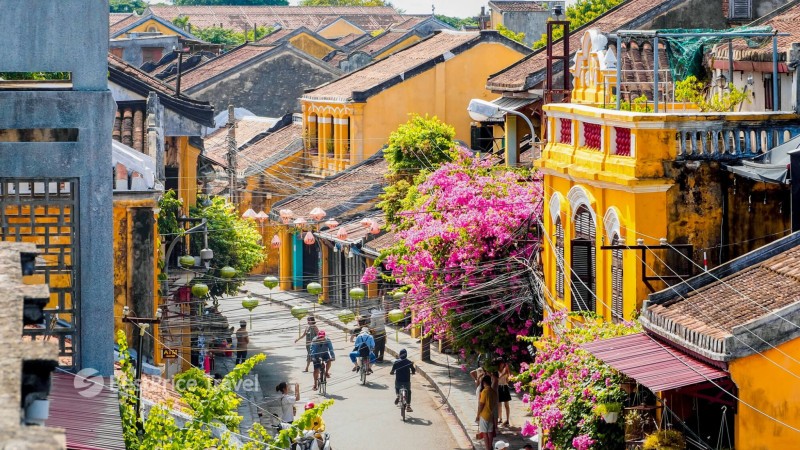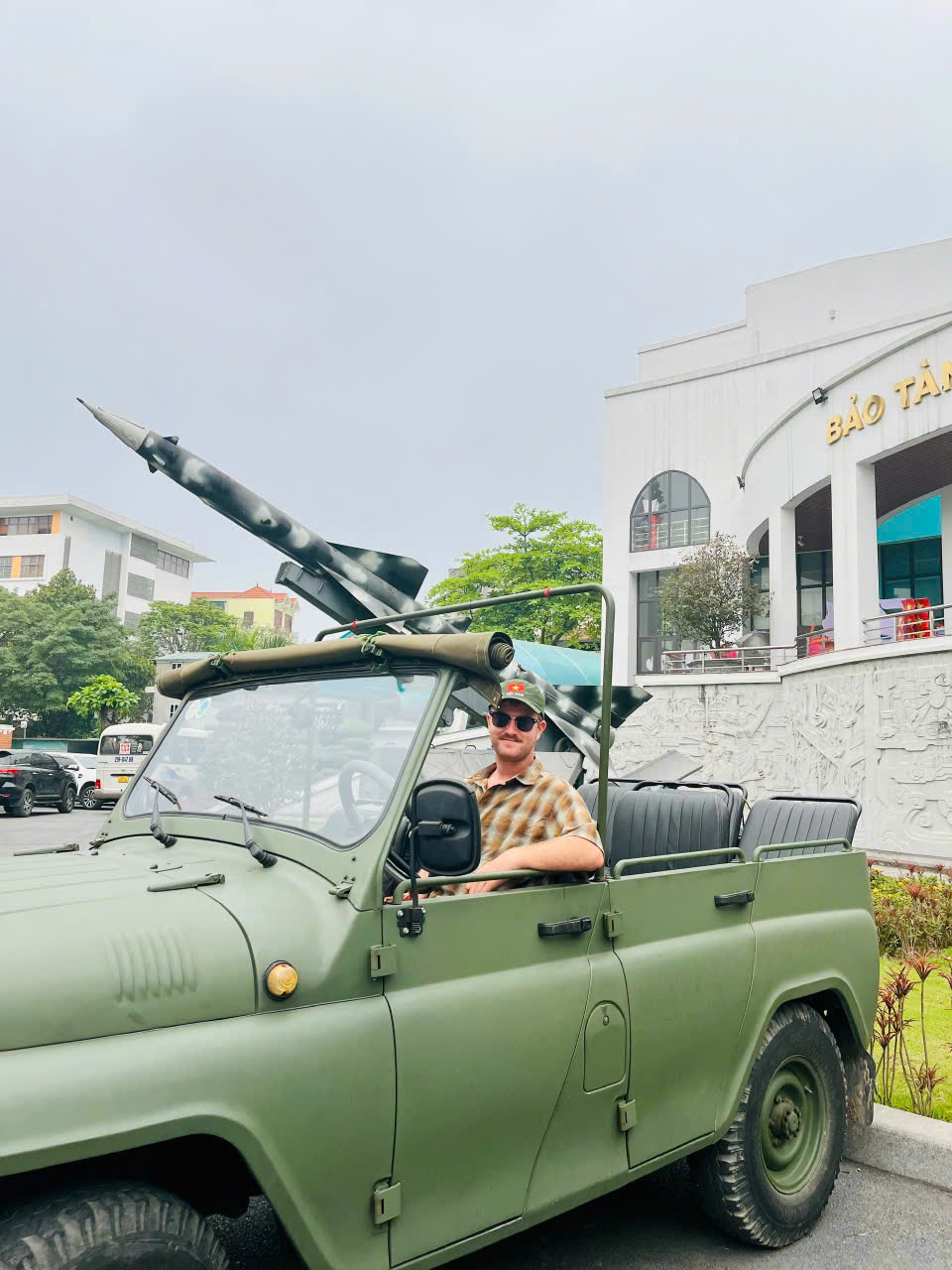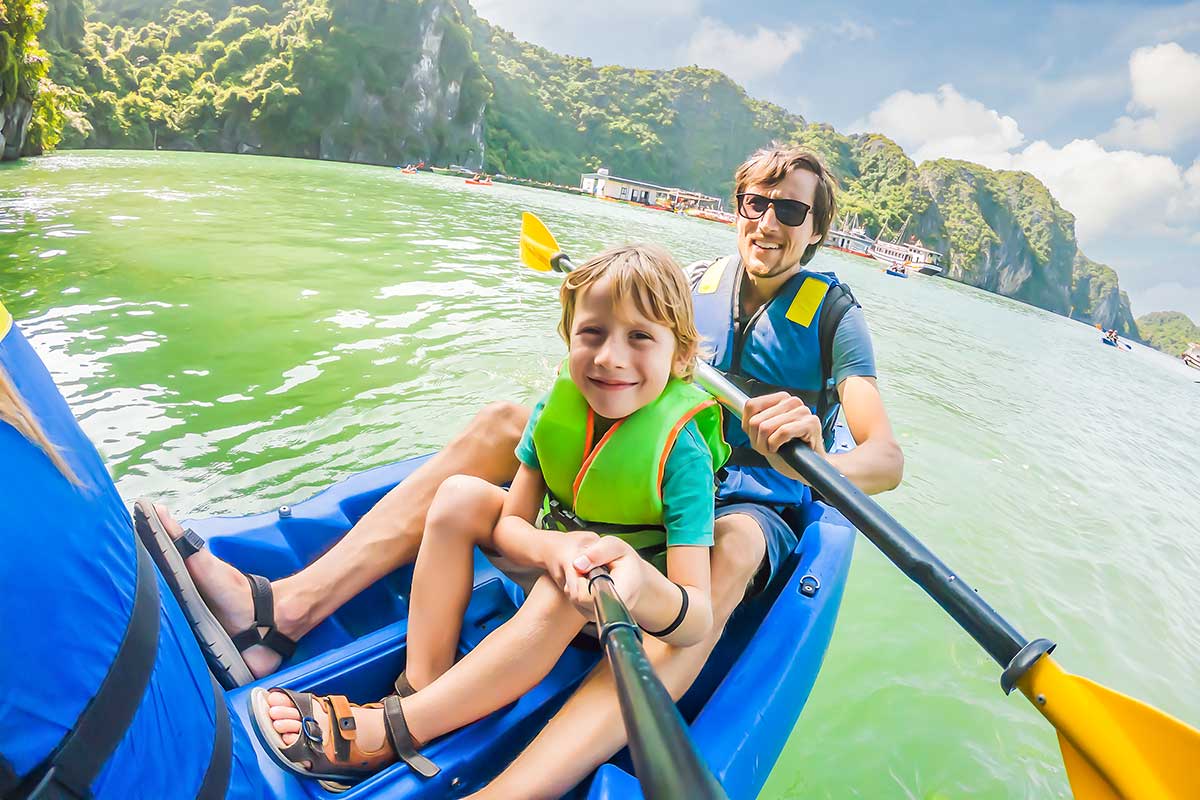
Planning your first adventure to Vietnam can feel both exciting and overwhelming, especially with so many destinations, local customs, and practical details to understand. As one of Asia’s most diverse countries, Vietnam offers vibrant cities, ancient culture, stunning beaches, and breathtaking mountains. This Vietnam travel guide gives first-time travelers everything they need to know, helping you prepare with confidence.
Whether you’re looking for adventure, culture, or relaxation, this guide gives you a solid foundation before exploring deeper internal articles for each topic. With the right preparation, your Vietnam journey will be smooth, memorable, and truly unforgettable. One thing every Vietnam travel guide should include is cultural and travel etiquette, and you’ll find it throughout this article.
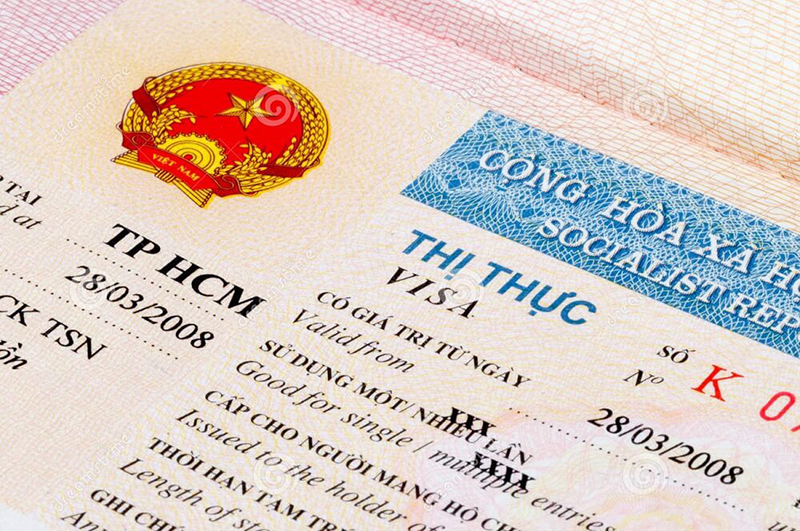
Vietnam Travel Visa: How to Apply for Your Vietnam Tourist Visa
Understanding Vietnam’s Entry and Visa Requirements
Vietnam provides several visa options depending on nationality and travel purpose, making it accessible for most first-time visitors. Travelers should begin by checking whether they are eligible for visa exemption or need to apply for a tourist visa in advance. Entry requirements are generally straightforward, but reviewing them early helps prevent delays or unexpected issues. In recent years, Vietnam has expanded its visa-free list and simplified its approval procedures, making the experience more traveler-friendly. Passports must be valid for at least six months from the date of entry.
In this comprehensive Vietnam travel guide, we highlight essential tips for planning, ensuring travelers have a smooth arrival in Vietnam.
How to Apply for the Vietnam E-Visa Easily
The Vietnam e-visa system offers a convenient online method for a quick and simple application process. Applicants only need to fill in personal details, upload photos, and select entry ports on the official website. Processing typically takes a few business days.
Because the process is digital, travelers avoid embassy visits and paperwork. Carefully checking passport information and travel dates helps prevent errors. Once issued, the e-visa can be downloaded and printed, allowing visitors to enter Vietnam easily and confidently.
Essential Documents to Prepare for Your Visa Application
Preparing the necessary documents before applying ensures a smoother and faster approval process for your Vietnam tourist visa. A valid passport, a recent travel photo, and basic itinerary details—such as accommodation or flight information—are typically required. First-time visitors may find it helpful to organize both digital and printed copies of all documents for safety. Having these ready helps avoid potential problems, especially if immigration officers request additional verification. Backup copies stored in email or cloud services are also practical in case of emergencies. With proper preparation, the visa application becomes a straightforward step in planning your Vietnam trip.

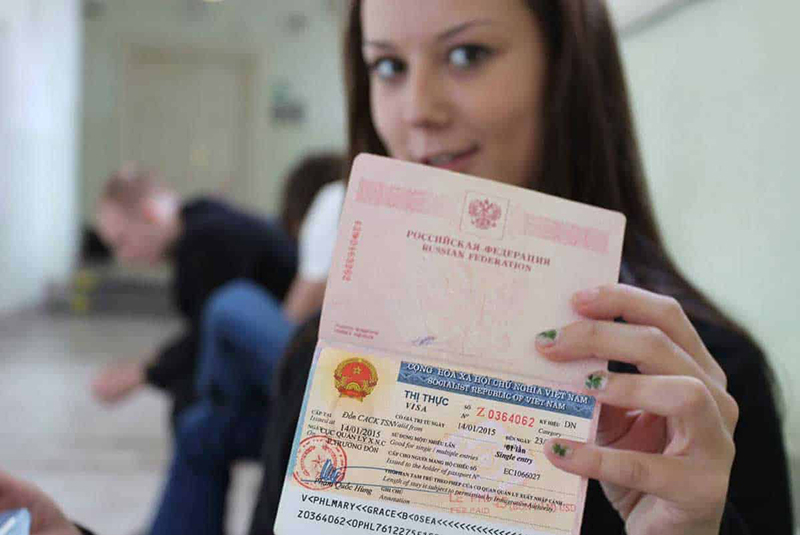
Vietnam travel guide – Vietnam airport immigration area
Apps for Vietnam Travel: Must-Have Apps for Your Trip
Navigation & Transportation Apps
Reliable navigation apps are essential for moving around Vietnam confidently, especially for first-time visitors. Google Maps remains the top choice for directions, real-time traffic updates, and identifying local attractions. Ride-hailing apps like Grab and Be provide convenient transportation options, from car rides to motorbike taxis at affordable prices. These apps help you avoid the hassle of negotiating fares while ensuring safe and reliable service.
This Vietnam travel guide also covers transportation apps and safety tips, helping you move around the country more smoothly. For intercity travel, platforms such as 12Go Asia allow you to book trains, buses, and ferries in advance. Using these apps ensures smooth and stress-free transportation throughout your trip.
Booking & Accommodation Apps
Several booking apps make it easy to secure flights, hotels, and activities before or during your stay in Vietnam. Platforms like Booking.com and Agoda offer a variety of accommodation options that suit different budgets, from luxury hotels to homestays.
Travelers can read reviews, compare prices, and take advantage of frequent discount programs. For flights and tours, apps such as Traveloka and Klook provide user-friendly booking systems with transparent pricing. These apps help travelers plan more efficiently and avoid last-minute surprises. Having them on your phone ensures a more organized and enjoyable travel experience.
Communication & Lifestyle Apps
Communication apps like Zalo and WhatsApp are widely used across Vietnam for staying in touch with locals, hotels, or tour operators. Many restaurants, shops, and service providers also rely on these apps for quick communication and order confirmations. Translation tools such as Google Translate help overcome language barriers when navigating markets, transportation, or street food stalls.
For dining, apps like Foody and GrabFood offer local reviews and delivery services that introduce travelers to authentic Vietnamese cuisine. These lifestyle apps make it easy to adjust to daily life in Vietnam, even for visitors who do not speak the language. Having them ready helps you stay connected and informed throughout your trip.

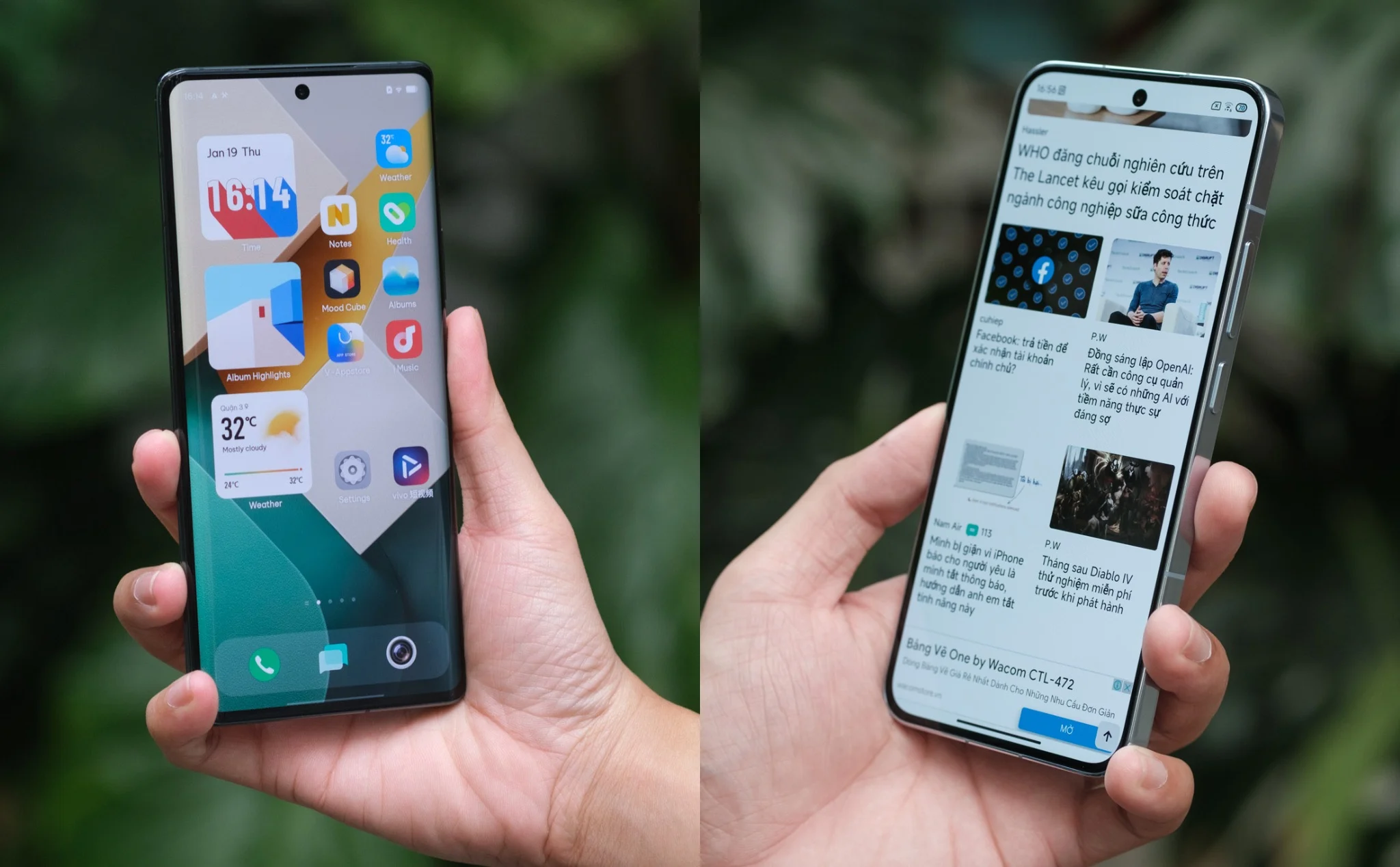
Must-have apps for Vietnam travel – Google Maps, Grab, Booking
Food & Drinks in Vietnam: What First-Time Travelers Should Try
Must-Try Vietnamese Dishes for First-Time Visitors
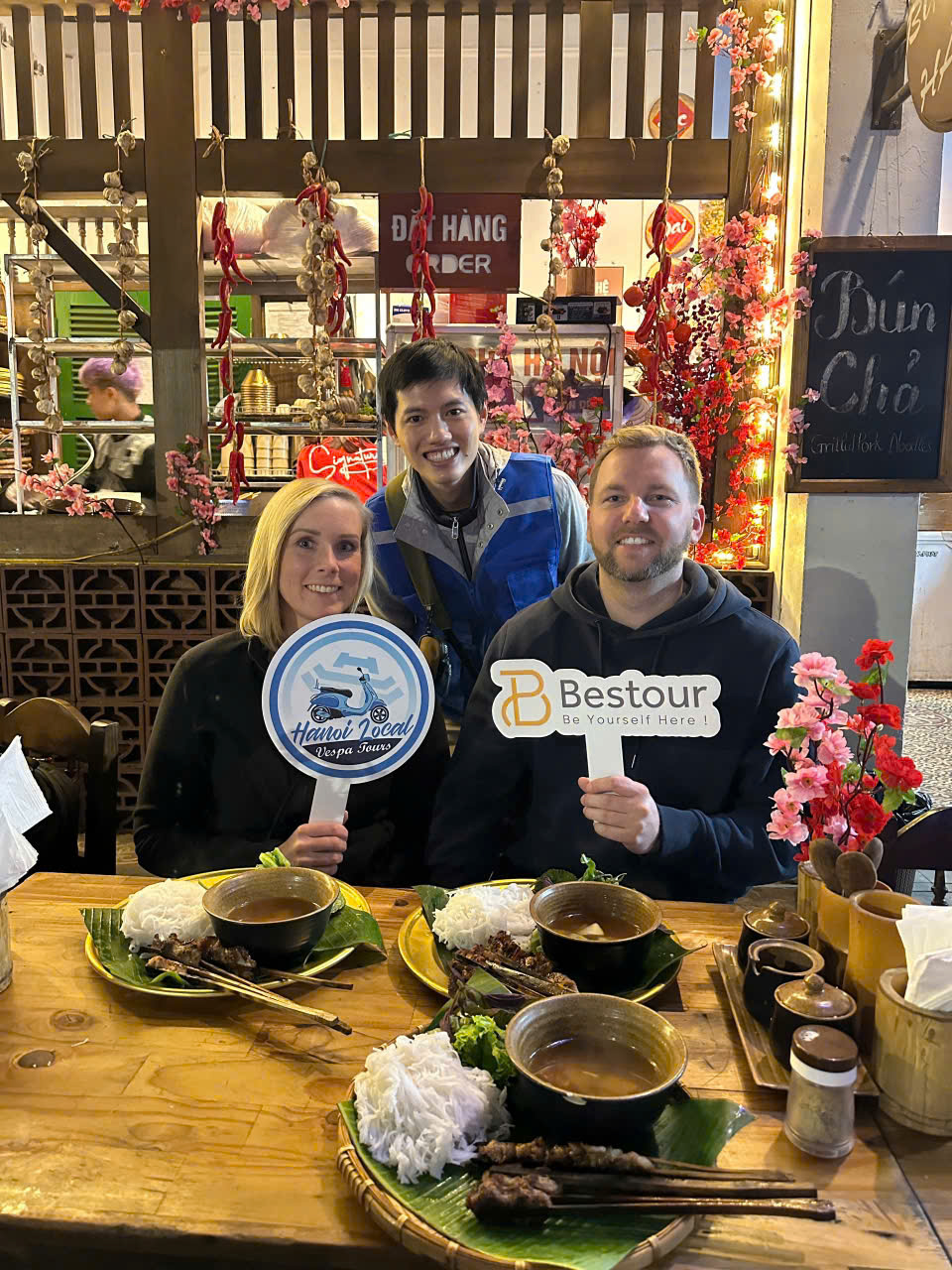
Vietnam’s cuisine has a rich balance of flavors, combining freshness, herbs, and light seasoning that appeals to most travelers. Iconic dishes such as pho, banh mi, and bun cha are easy to find in any major city, making them perfect introductory meals. First-time visitors will notice that meals often include fresh herbs and dipping sauces that enhance each bite.
Street food stalls and local eateries serve some of the best versions of these classic dishes at affordable prices. Travelers who enjoy exploring food culture will find endless variations of noodles, soups, and grilled specialties across regions. Tasting these signature dishes is an essential part of experiencing Vietnam’s vibrant culinary identity.
Popular Vietnamese Drinks You Should Not Miss
Vietnam travel guide offers a variety of unique beverages that reflect its tropical climate and cultural preferences. Travelers often begin with Vietnamese iced coffee, known for its strong flavor and sweet condensed milk, perfect for hot days. Fresh juices, sugarcane juice, and herbal drinks are available at street stalls in nearly every city.
Regional favorites like egg coffee in Hanoi or coconut coffee in the south introduce visitors to new flavors that can’t be found elsewhere. For those who enjoy light alcoholic drinks, Vietnam also has local beers that are refreshing and widely consumed. These beverages not only quench your thirst but also enhance your culinary experience while traveling through the country.
Safe and Enjoyable Food Experiences for Travelers
Exploring food in Vietnam is exciting, but knowing a few basics helps travelers enjoy meals safely. It’s best to choose street food vendors that have good hygiene, regular customers, and fresh cooking ingredients. Drinking bottled or filtered water is recommended, especially for those with sensitive stomachs.
Travelers should also be aware that some dishes may be spicy or contain unfamiliar ingredients, so asking before ordering is always helpful. Most restaurants and vendors are accommodating and can adjust meals to your taste preferences. With mindful choices, travelers can enjoy Vietnam’s food scene confidently and comfortably throughout their trip.

Vietnam travel guide Vietnamese food pho banh mi
Best Time to Visit Vietnam for Ideal Weather and Travel Plans
Vietnam’s Climate Overview
Vietnam’s climate varies significantly from north to south, creating unique weather patterns across different regions. The country experiences a tropical monsoon climate, meaning temperatures are warm year-round with alternating dry and rainy seasons. Northern regions have four distinct seasons, including cooler winters, while southern areas maintain a hot and humid climate. Understanding these climate differences is important when planning your itinerary, especially if you plan to visit multiple regions. Weather can shift quickly, so travelers should stay flexible with outdoor activities. This climate diversity gives Vietnam its rich landscapes but also requires careful planning for the ideal travel experience.
Best Seasons for First-Time Travelers
For pleasant temperatures and clear skies, many travelers prefer to visit Vietnam between November and April. This period offers cooler weather in the north and dry conditions in the south, making it ideal for sightseeing and outdoor activities. The early months of the year often bring festivals and cultural events, adding excitement to your trip.
Travelers visiting during the rainy season should prepare for sudden showers, especially in central regions. Despite occasional rain, Vietnam remains accessible year-round, with each season offering its own charm. Choosing the best travel time depends on your preferred activities and the experiences you want to enjoy.

Travelers prefer to visit Vietnam between November and April
Regional Weather Breakdown Across Vietnam
Weather conditions in northern, central, and southern Vietnam differ significantly, affecting how travelers should plan their routes. Northern Vietnam experiences cooler winters and warm summers, making spring and autumn ideal for exploring cities and mountains. Central Vietnam can be affected by typhoons between September and November, but enjoys sunny beach weather from February to August.
Southern Vietnam has two main seasons—dry and rainy—with dry months offering the best conditions for island trips and river tours. Understanding these variations helps travelers create efficient itineraries and avoid extreme weather. With the right planning, each region offers rewarding and memorable travel experiences.
North vs South Vietnam Travel: Which Region Should You Choose?
What to Expect When Traveling in Northern Vietnam
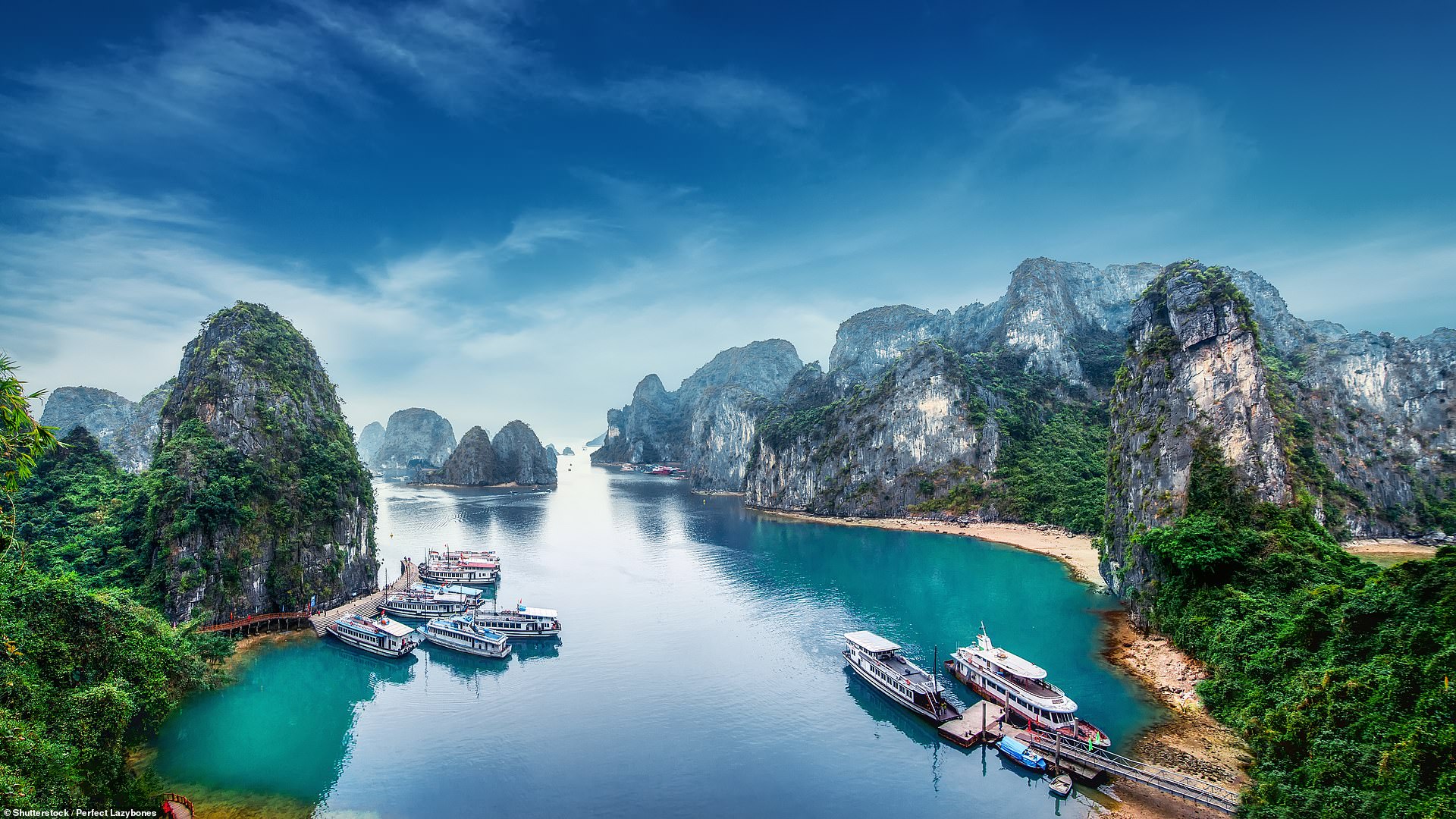
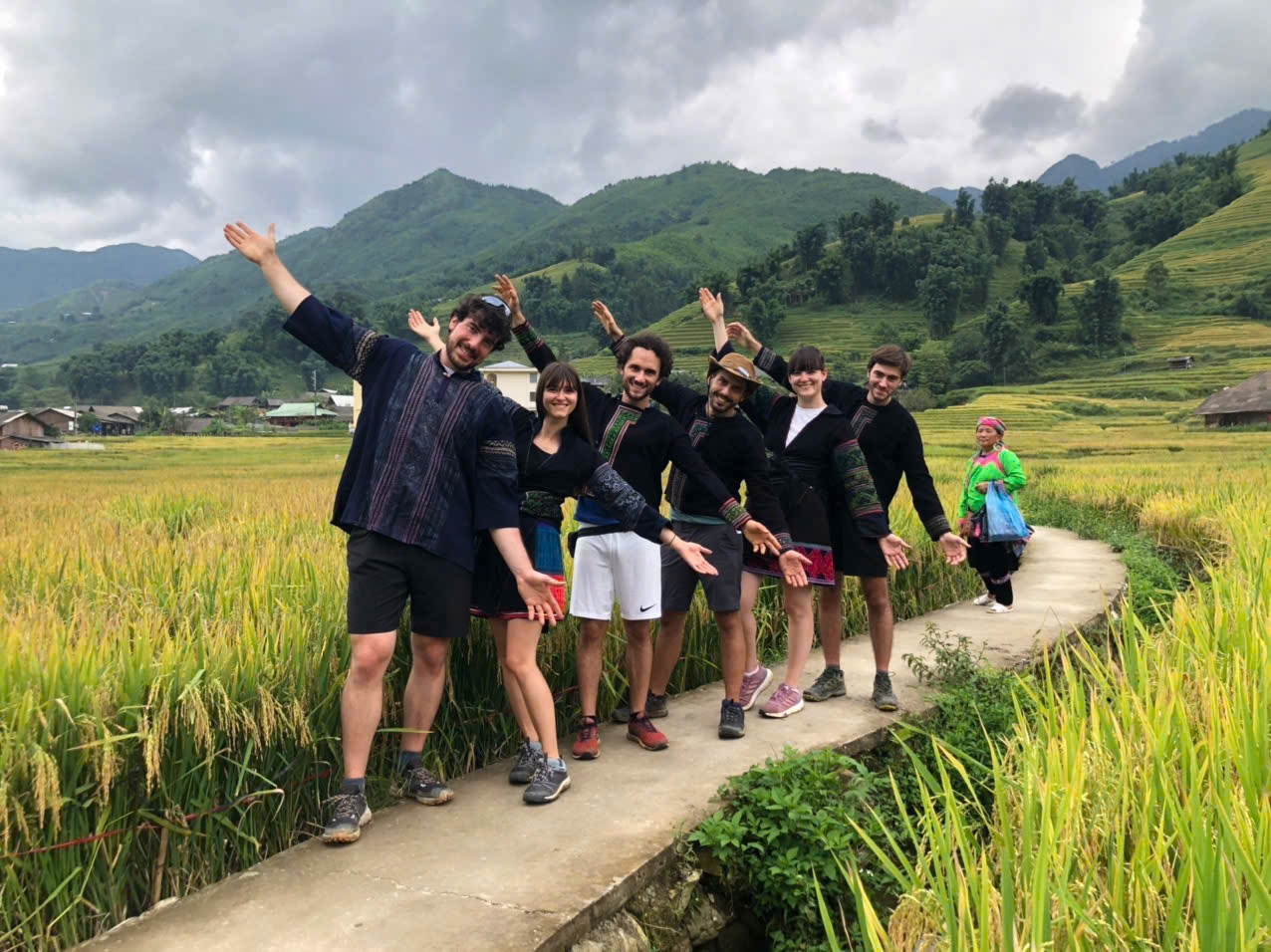
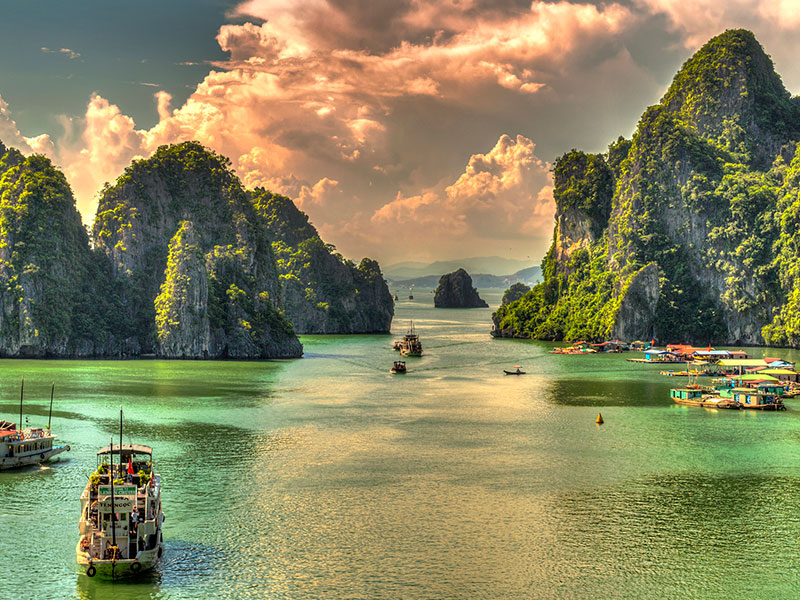
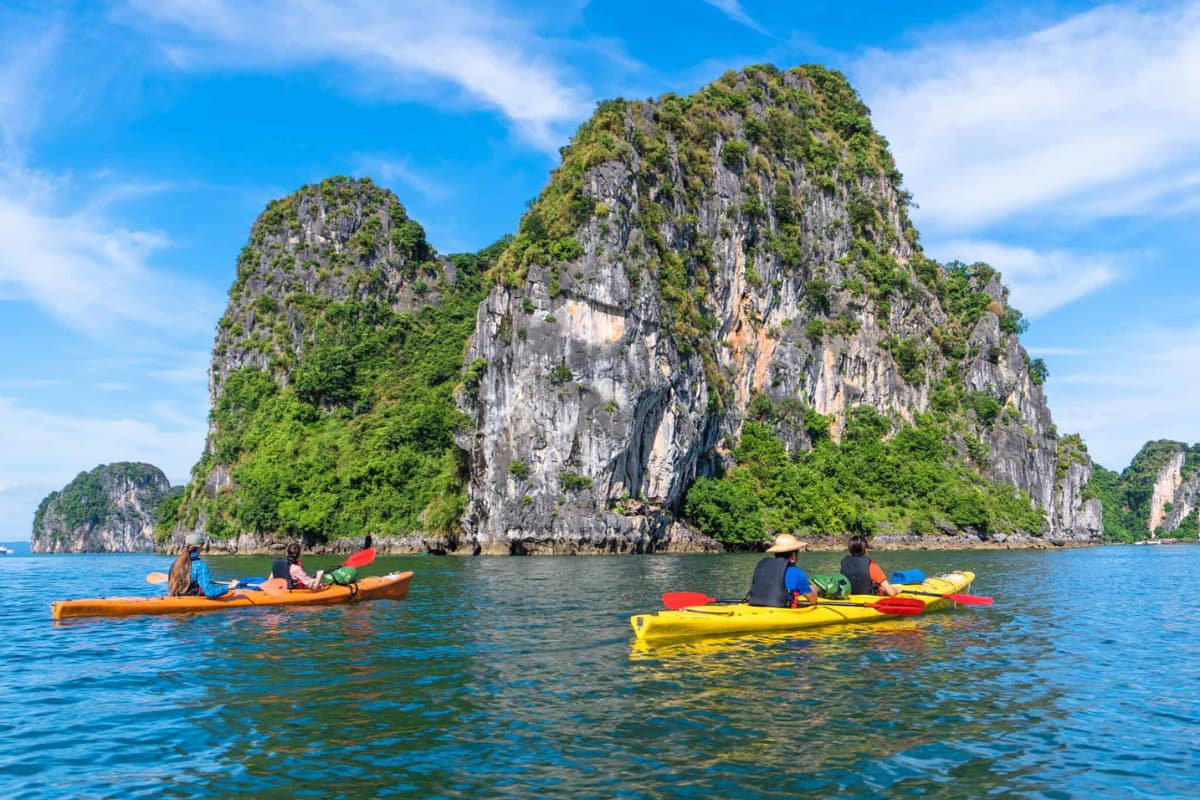
Northern Vietnam offers a blend of natural wonders, historic sites, and cultural experiences that appeal to first-time visitors. The region is known for its dramatic landscapes, from terraced rice fields in Sapa to the limestone formations of Ha Long Bay. Hanoi, the capital, provides a charming mix of ancient architecture and modern urban life. Travelers can also explore traditional villages, mountain markets, and peaceful lakes throughout the region. The north experiences four distinct seasons, which can influence travel plans, especially during winter. Overall, it’s a perfect choice for travelers seeking scenery, culture, and authentic local experiences.
What to Expect When Exploring Southern Vietnam
Southern Vietnam is vibrant, energetic, and full of modern attractions that appeal to many international travelers. This Vietnam travel guide also covers transportation apps and safety tips that are especially useful in large, busy cities like Ho Chi Minh City. Known for its skyscrapers, bustling streets, and historic landmarks, the south is a hub of excitement and activity.
Beyond the city, the region provides easy access to tropical islands like Phu Quoc and cultural destinations in the Mekong Delta. Weather in the south remains warm year-round, making it ideal for beaches and outdoor adventures. Travelers can enjoy night markets, river cruises, floating markets, and a lively nightlife scene. One thing every Vietnam travel guide should include is cultural etiquette, and southern hospitality is known for being open, casual, and relaxed.
With its energy and warmth, Southern Vietnam delivers a smooth and enjoyable travel experience for first-time visitors.
Comparing Travel Experiences: North vs South
Choosing between northern and southern Vietnam depends largely on your travel style and expectations. This Vietnam travel guide helps first-time visitors compare the two regions to make informed decisions.
The north is ideal for travelers who enjoy cooler weather, mountains, and deep cultural heritage. It’s perfect for trekking, exploring ancient villages, and learning about Vietnam’s history. Meanwhile, the south offers tropical warmth, island destinations, and vibrant city life—great for beach lovers, food enthusiasts, and nightlife seekers.
Budget, travel duration, and flight connections can also influence your decision since distances between regions may require domestic flights. Travelers who love nature, history, and traditional architecture may prefer the north, while those wanting beaches, nightlife, and dynamic urban vibes will enjoy the south more.
For the best experience, many travelers follow the recommendations in this Vietnam travel guide and combine both regions to appreciate the full diversity of Vietnam.

Winter weather in Hanoi Old Quarter
Vietnam Travel Tips Every Visitor Should Know Before Visiting
Essential Cultural Etiquette for First-Time Travelers
Understanding basic Vietnamese customs helps visitors feel more welcome and avoid misunderstandings. One thing every Vietnam travel guide should include is cultural etiquette, as respectful behavior is highly valued in Vietnam. A polite smile and gentle tone are always appreciated in conversations. When visiting temples or pagodas, travelers should dress modestly and remove shoes before entering indoor areas.
Public displays of affection are considered impolite in many places. It’s also important to avoid pointing at people or statues with your finger; instead, gesture with your whole hand. Respecting personal space and staying calm during discussions ensures positive interactions with locals throughout your trip.
Practical Safety Tips for a Smooth Journey
Vietnam is generally a safe and welcoming country, but applying simple safety precautions ensures a smoother, worry-free journey. Keep your belongings close, especially in crowded tourist areas, night markets, and public transportation. Pickpocketing is uncommon but can happen in busy urban zones.
When crossing the street—a uniquely Vietnamese experience—walk steadily and predictably. Motorbikes will adjust their path around you, so avoid sudden movements. For transportation, use registered taxis or reliable ride-hailing apps like Grab or Be, which offer clear pricing and safer travel conditions.
Health-wise, it’s best to drink bottled or filtered water and avoid ice from unfamiliar vendors. In this comprehensive Vietnam travel guide, we highlight essential tips for planning, including safety habits that help travelers stay confident during their trip. By keeping these basics in mind, you can explore Vietnam with comfort and peace of mind.

When crossing the street—a uniquely Vietnamese experience—walk steadily and predictably
Money, Payments & Local Spending Habits
Vietnam primarily uses a cash-based payment system, especially in markets, small shops, street food stalls, and rural areas. Travelers should carry smaller denominations of Vietnamese Dong (VND), as vendors often cannot break large bills. ATMs are widely available in cities like Hanoi, Da Nang, and Ho Chi Minh City, making cash withdrawal convenient for international visitors.
Credit cards are accepted in hotels, shopping malls, and higher-end restaurants, but they are less common in local neighborhoods. Bargaining is normal at markets, and doing it politely can help you achieve fair prices while keeping interactions friendly.
Tipping is not mandatory, but it is appreciated, particularly in tourism services such as guided tours, spas, and hospitality businesses. Understanding these money habits allows travelers to manage spending more efficiently. This Vietnam travel guide also covers transportation apps and safety tips, ensuring visitors are well-prepared for everyday expenses.

Vietnamese currency VND banknotes
Conclusion
Planning your first trip to Vietnam may feel overwhelming, but with the right preparation, everything becomes easier and far more enjoyable. This Vietnam travel guide gives you the essential foundation—visa rules, apps, food, weather, regional differences, and practical travel tips—so you can explore Vietnam with full confidence.
Vietnam is a country of rich culture, warm hospitality, and breathtaking landscapes waiting to be discovered. Whether you’re seeking relaxation, adventure, or cultural immersion, your journey here will be unforgettable.
If you need personalized itinerary planning, private tours, or expert local advice, Bestour is ready to support you anytime. With the help of this Vietnam travel guide, you can plan your trip with confidence and avoid common mistakes that first-time travelers often face.
Phone/WhatsApp: +84 968 804 998
Email: info@bestour.net
Address: No. 55 Bui Thi Xuan Street, Hai Ba Trung District, Hanoi City, Vietnam
Your Vietnam adventure starts here—let us help you make it unforgettable.

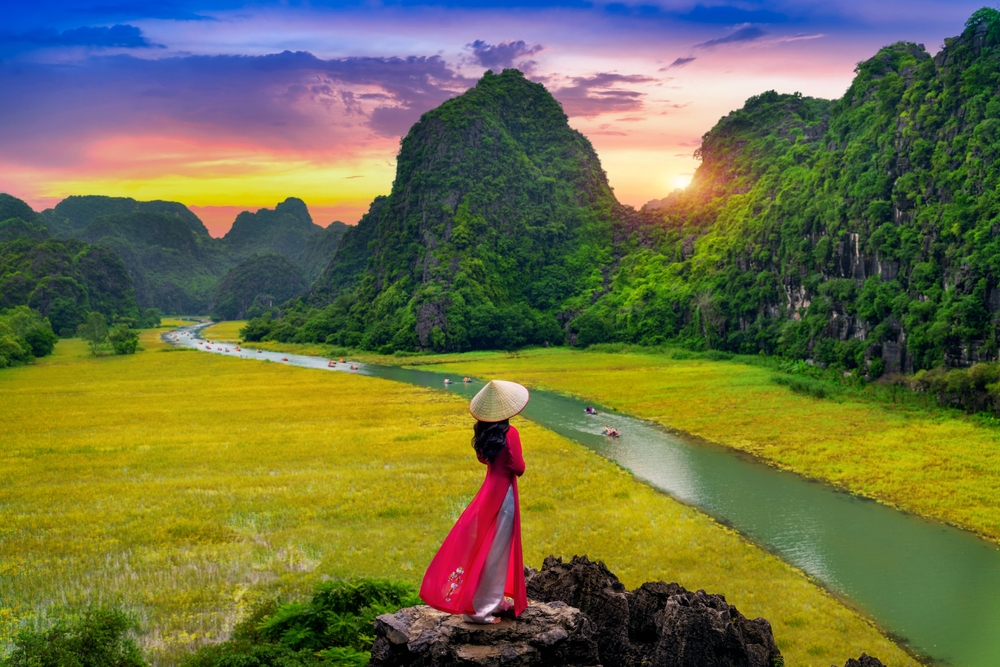
Vietnam travel guide for first-time travelers exploring scenic landscapes