Vietnamese culture is among the oldest in the world, shaped and refined over nearly four thousand years of continuous development. While some may claim that Vietnamese traditions are merely extensions of Chinese culture, extensive research reveals a different story: Vietnam has cultivated its own distinct identity, evolving in parallel with neighboring civilizations rather than simply mirroring them.
From the early dynasties of Trieu, Dinh, Ly, Tran, and Le—formed during periods that coincided with China’s Han, Tang, Song, and Yuan dynasties—Vietnamese culture grew from a unique foundation. Its roots trace back to ancient Nam Viet and the Dong Son civilization of the Bronze Age, both of which laid the groundwork for indigenous beliefs, artistic expressions, and social structures that remain influential today.
Centuries of interaction—whether through Northern occupation, territorial expansion, or French colonial rule—added new layers to the cultural fabric of Vietnam. What emerged is a vibrant, resilient culture defined by harmony between old and new, East and West. Despite foreign influences, Vietnam has preserved enduring values such as ancestor worship, community-centered living, and deep respect for nature, symbolized by the dragon, phoenix, turtle, and unicorn—along with the lotus and bamboo, iconic plants of the Vietnamese spirit. This information Best Vietnam Tours will help you when coming Vietnam.
Vietnamese Cuisine: A Fresh, Flavorful, and World-Loved Culinary Heritage
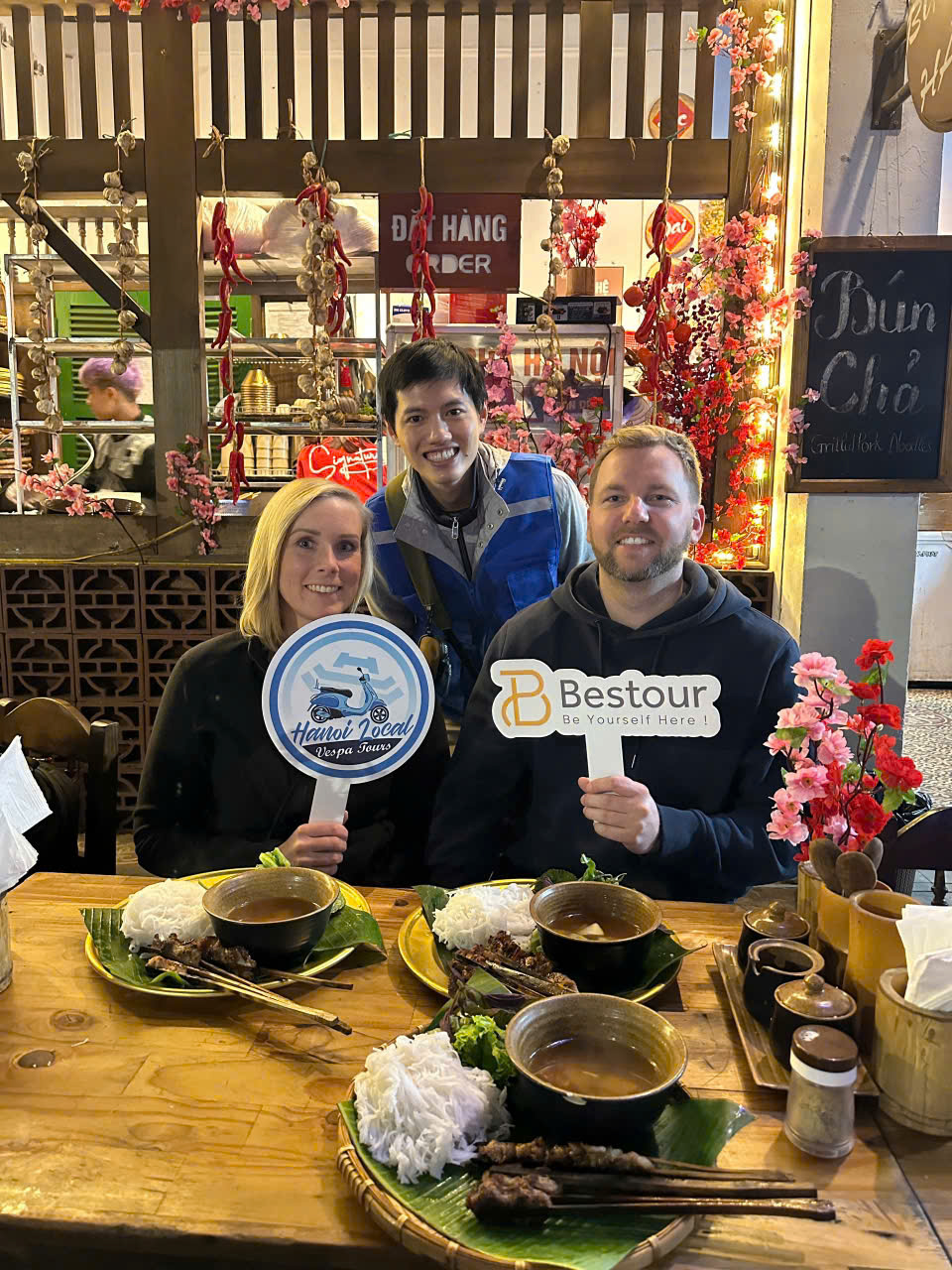
Vietnamese cuisine is celebrated worldwide for its freshness, balance, and vibrant flavors. Although diverse and rich in regional character, it can generally be divided into three main culinary styles: Northern elegance, Central boldness, and Southern sweetness. Across the country, diners enjoy an array of noodle dishes, fragrant noodle soups, and endless variations of spring rolls—each created with minimal oil and abundant fresh herbs and vegetables.
Staple ingredients like soy sauce, fish sauce, mint, basil, and, above all, rice form the foundation of everyday meals, typically enjoyed three times a day. Vietnamese flavors span a delightful spectrum from spicy and sour to sweet and refreshing. Among the most iconic dishes is the famed noodle soup—originating from Northern Vietnam—featuring delicate rice noodles paired with beef, chicken, seafood, or vegetarian broth, served with scallions or bean sprouts for added freshness.

Vietnam’s Traditional Costumes: A Colorful Journey Through 54 Ethnic Tribes
Vietnam is a land of rich cultural diversity, and nowhere is this more vividly expressed than in its traditional costumes. Each of the country’s 54 ethnic groups boasts its own unique attire, reflecting centuries of history, local customs, and artistic expression. Over time, Vietnamese clothing evolved under the influence of regional rulers, social norms, and changing fashions.
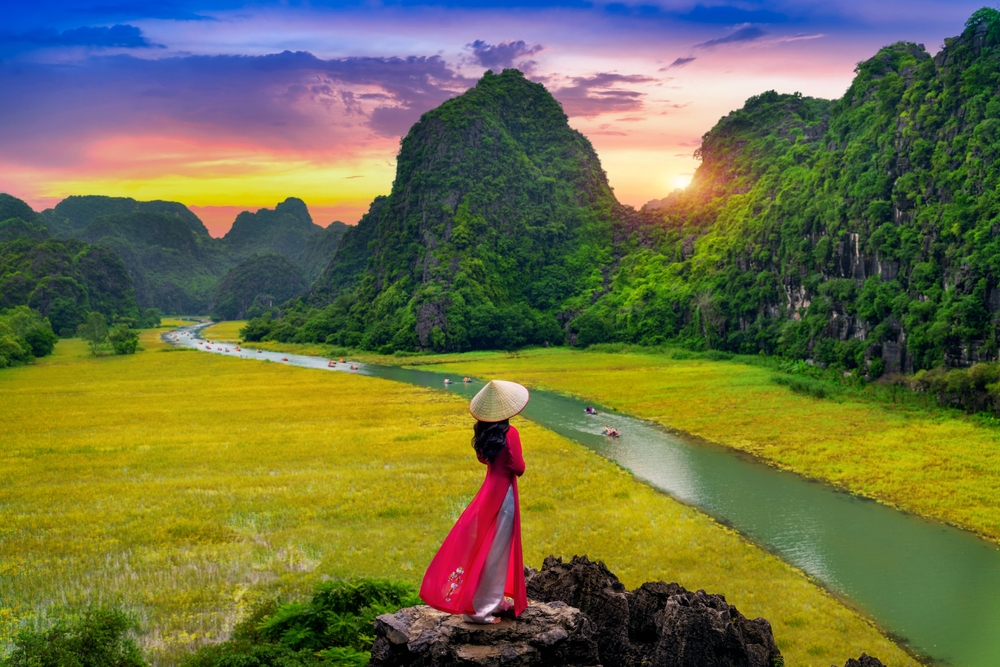
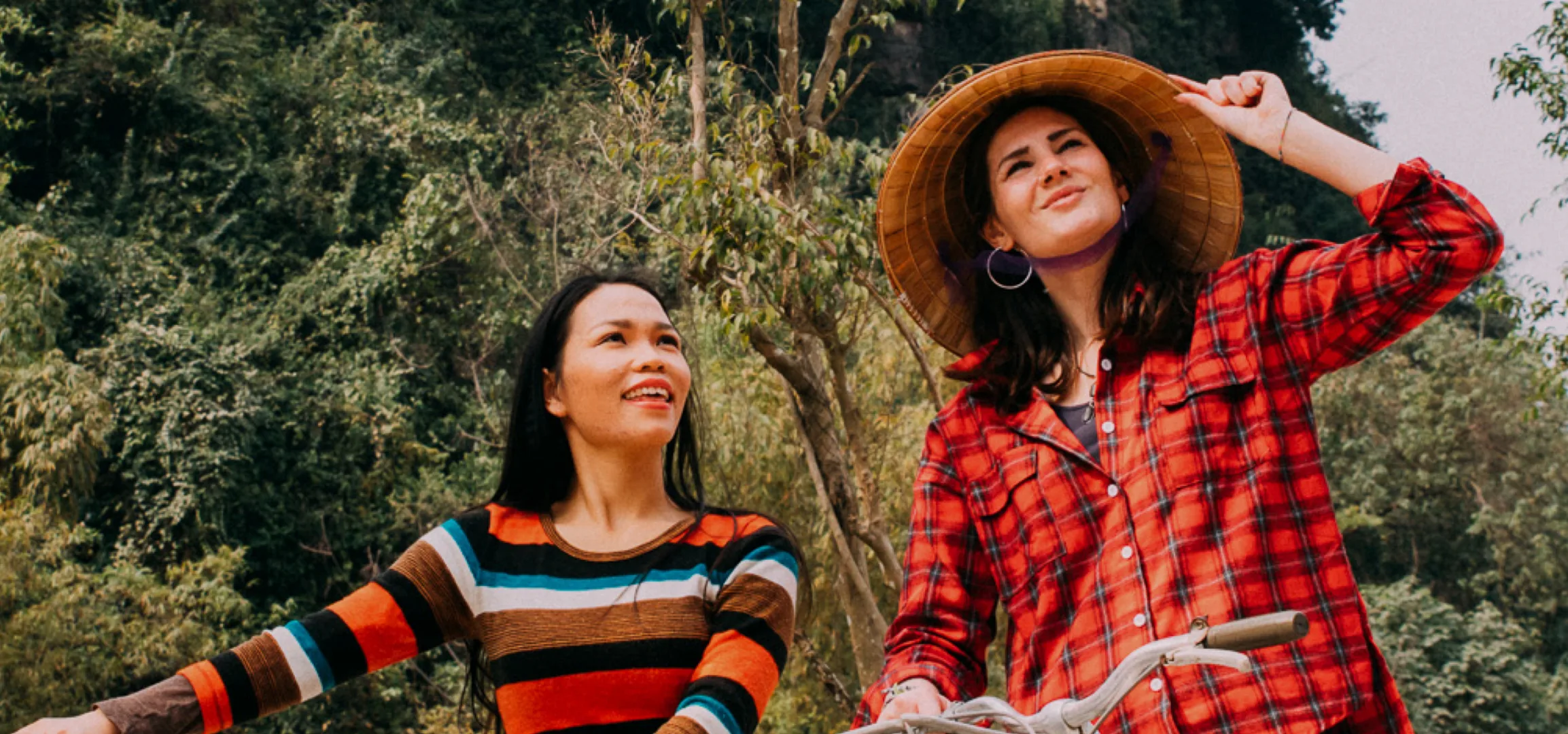
Iconic outfits such as the Áo giao lĩnh (cross-collared robe for men), Áo Tứ Thân (four-part dress for women), Áo cánh, and Áo bà ba tell stories of social hierarchy, regional identity, and everyday life. While peasants in the north and south wore practical silk-pajama-like garments, monarchs and nobles enjoyed exclusive colors and elaborate designs—gold for kings, and purple or red for aristocrats. Over the centuries, headgear also evolved, with the conical hat, or Non La, emerging as the enduring symbol of Vietnamese heritage.

Vietnamese Arts & Literature: A Colorful Tapestry of Tradition and Creativity
Vietnamese arts and literature reflect the soul of a nation shaped by centuries of history, philosophy, and cultural exchange. Literature in Vietnam has evolved from romantic and idealistic expressions to realism, encompassing both folk literature—with its fairy tales, legends, humorous stories, and epic poems—and written literature, once crafted in Cham and Nom scripts, now flourishing in the modern national language with poetry, short stories, dramas, and novels.
Vietnamese art is equally rich and diverse, drawing inspiration from Buddhism, Taoism, and Confucianism, while later influences from the Cham culture and French colonial period added new dimensions. Traditional silk paintings burst with color, calligraphy is cherished as both art and cultural blessing during festivals like Lunar New Year, and wood-block prints continue to captivate with their intricate designs. Performing arts, from water puppetry to various theater forms, bring stories and traditions to life, showcasing Vietnam’s enduring creativity and vibrant cultural spirit.

Religion and Philosophy of Vietnam: Ancestors, Beliefs, and the Wisdom of the Tam Giao
Vietnamese spirituality is deeply rooted in tradition, philosophy, and a profound respect for ancestry. While many statistical surveys may classify a majority of Vietnamese as having “no religion,” in reality, Vietnam’s religious landscape is rich and complex. Central to it is the Tam Giao, or “Three Teachings,” a harmonious blend of Buddhism, Confucianism, and Taoism, which has shaped the moral values, rituals, and worldview of the nation for centuries.
Ancestor worship is a cornerstone of Vietnamese culture. Nearly every household maintains an ancestor altar, honoring generations past and reflecting the culture’s strong emphasis on filial piety. Beyond traditional practices, Catholicism and other modern religions are also present, coexisting alongside ancient beliefs and local spiritual customs. This fusion of philosophy, spirituality, and devotion to family gives Vietnamese religion its unique depth, resilience, and cultural identity.

Social Beliefs & Customs in Vietnam: Family, Tradition, and Community Life
Family and community lie at the heart of Vietnamese society. In Vietnam, the clan (Đông Hồ) is the most important social unit, often valued above individualism. Each clan is led by a patriarch and features a clan altar, serving as a center for gatherings, ancestral worship, and important ceremonies. Even today, in some rural areas, multiple generations may live together in longhouses, preserving a strong sense of unity and tradition. Villages are often named after the dominant clans, reflecting deep ties of blood and heritage.
Life events, from weddings to funerals, are steeped in ritual and tradition. Historically, marriages were arranged by parents at a young age, with dates chosen by Feng Shui masters or respected clan elders. Today, Vietnamese youth enjoy more freedom in choosing their partners and timing, yet weddings still honor traditional customs. Funerals are equally elaborate, with careful preparations of the body, extended mourning periods, and rituals varying slightly by region and ethnic group.
Social etiquette in Vietnam is shaped by Confucian values: men and women traditionally avoid physical contact unless married, greeting each other instead with a gentle bow, “Xin Chào,” or a handshake. Conversational style also reflects lifestyle: city dwellers speak softly and calmly, while people from rural or coastal areas often speak loudly to match the rhythm of farm work or the ocean’s waves.
Ethnic Groups of Vietnam: A Vibrant Mosaic of Cultures and Traditions
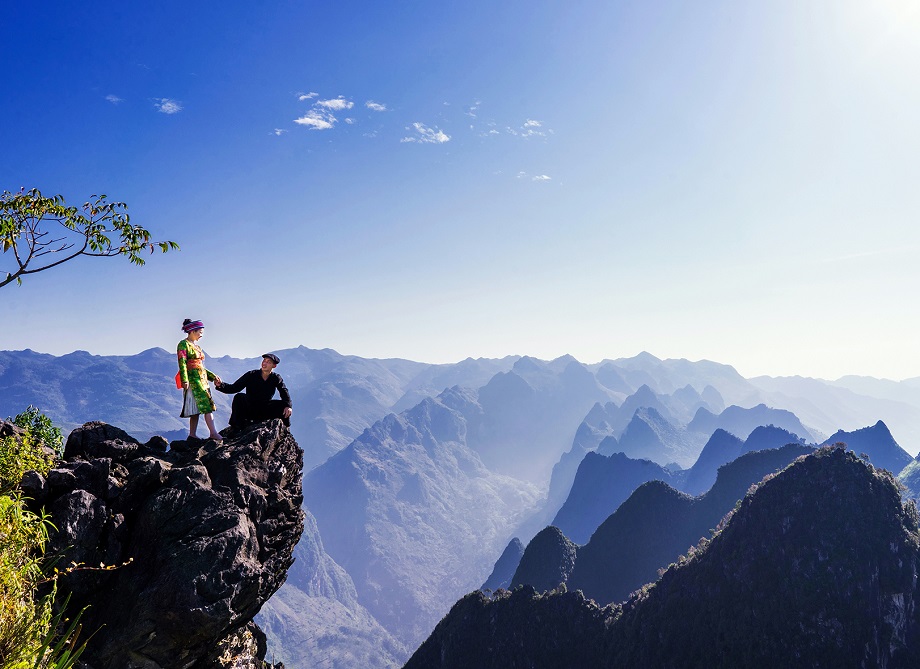
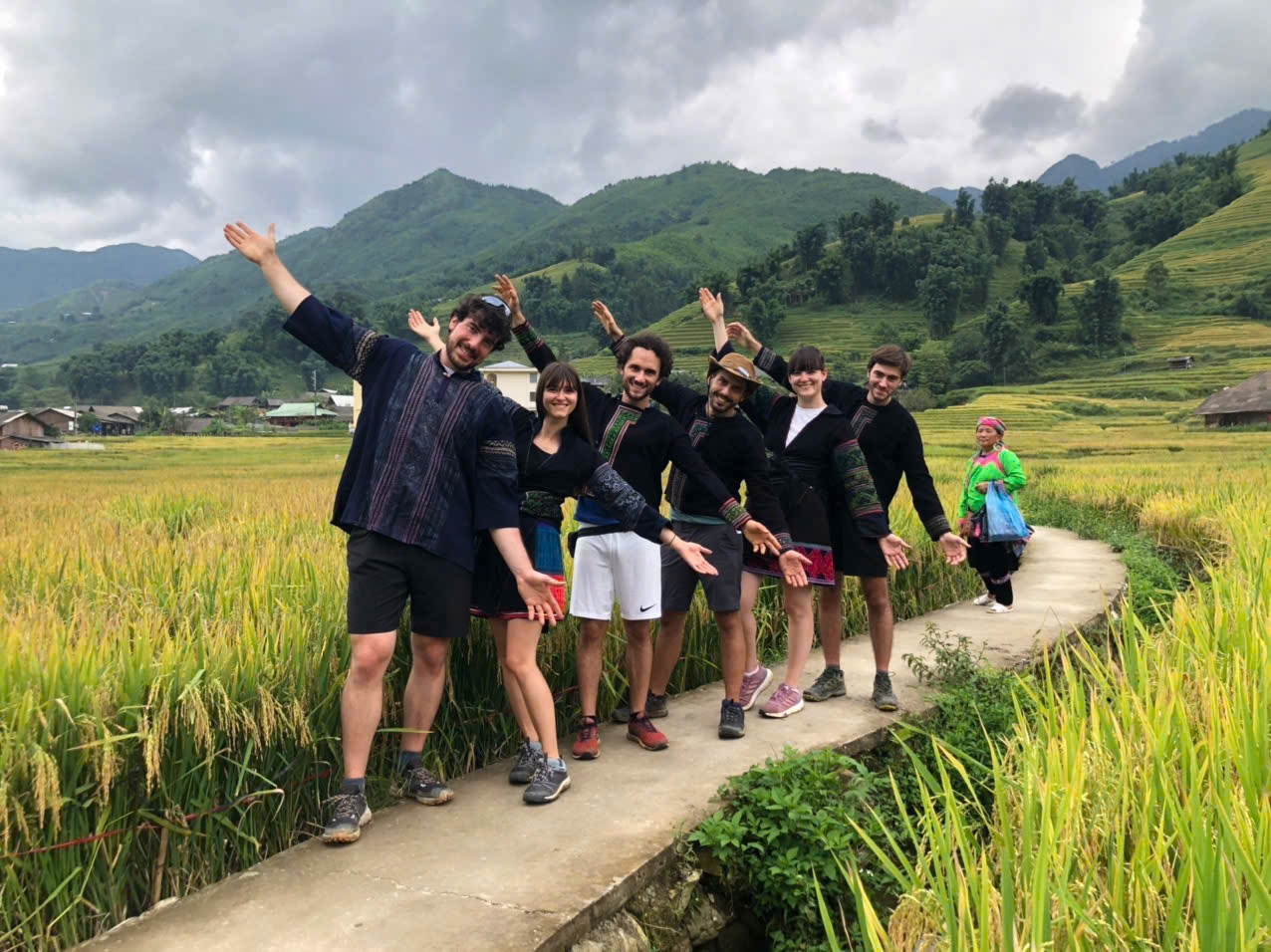
Vietnam is a truly multiethnic country, home to 54 distinct ethnic groups, each with its own language, lifestyle, and rich cultural heritage. Many highland communities, collectively known in the West as Montagnards or Degar, are especially notable for their colorful attire, which adds vibrancy to daily life, markets, and festivals.
The largest ethnic groups include the Kinh (Viet) 85.7%, Tay 1.9%, Tai 1.8%, Mường 1.5%, Khmer Krom 1.5%, Hmong 1.2%, Nung 1.1%, Hoa 1%, with the remaining 4.3% spread across other communities (2009 census). Each group’s traditional clothing is unique, reflecting centuries of local customs, beliefs, and artistry.
Travelers in Vietnam can encounter these communities in their natural environments—from the terraces of Sapa, where dozens of ethnic groups live side by side, to Lai Châu, home to 20 groups, and Đắk Lắk, which hosts 47 distinct ethnic communities. The diversity of Vietnam’s people is not only a testament to its cultural richness but also a vivid, living canvas that invites exploration and discovery.

Martial Arts in Vietnam: Tradition, Strength, and Cultural Heritage
Vietnam boasts a rich and diverse martial arts heritage, reflecting its history, culture, and the resilience of its people. These martial arts can be broadly categorized into five main groups, each shaped by regional traditions, historical events, and foreign influences.
-
Northern Styles: Originating around Hanoi and neighboring areas, these arts played a crucial role in shaping Vietnam’s martial legacy. Notable traditions include Thien Mon Dao with its swords and spears, Lieu Doi Wrestling, popular during spring festivals, and Nhat Nam, a graceful style combining techniques from Taekwondo, Karate, and Tai Chi.
-
Central Styles: Centered in Binh Dinh, once part of the Champa kingdom, these arts were developed and spread under the Tay Son dynasty. Sects like Thuan Truyen whip and An Thai boxing blend strength, dexterity, and artistry, often incorporating acrobatics, lion dances, and drumming.
-
Southern Styles: Emerging during the southward migration of the Vietnamese people in the 18th–19th centuries, Southern martial arts integrated influences from Binh Dinh, Thanh Hoa, Nghe An, China, Champa, and Cambodia. Known as Forest Martial Arts or Garden Martial Arts, they are distinguished by fast, powerful strikes, kicks, and weapon techniques. Legendary masters like Han Bai and Truong Thanh Dang left lasting marks on these traditions.
-
Chinese-Influenced Sects: Introduced by immigrants, traders, and monks, styles such as Shaolin, Wing Chun, and Qwan Ki Do emphasize speed, precision, and harmony.
-
Vietnamese Diaspora Styles: Developed abroad, these martial arts adapt traditional Vietnamese techniques to modern contexts. Vovinam Viet Vo Dao combines classical methods with innovative moves, while Cuong Nhu merges elements from Karate, Judo, Aikido, Boxing, and Vovinam.
Each group showcases unique techniques, philosophies, and historical significance, forming a vibrant tapestry of Vietnamese martial arts. From ancient battlefields to modern cinema, these arts reflect the creativity, resilience, and indomitable spirit of Vietnam. They are not just fighting techniques—they are living symbols of strength, artistry, and cultural identity.

Festivals of Vietnam: A Vibrant Celebration of Culture and Tradition
Vietnam is a land of colorful festivals and lively traditions, where every celebration tells a story of history, culture, and community spirit. From the bustling streets of Hanoi to the serene villages of the Central Highlands, Vietnamese festivals are marked by rituals, performances, games, and delicious local food, offering travelers a unique glimpse into the nation’s rich heritage.
Some of the most iconic festivals include:
Traditional Festivals
-
Tết Nguyên Đán (Lunar New Year): The largest and most celebrated festival, held in January/February. Experience family reunions, vibrant decorations, lion dances, and dazzling fireworks.
-
Hung Kings’ Festival (March 10th, lunar calendar) – Phú Thọ Province: Honoring the nation’s legendary founders.
-
Saint Giong Festival – Soc Son District near Hanoi in March: Commemorating a heroic folklore figure.
-
Ka Te Festival – Ninh Thuận Province: Celebrated by the Cham community with traditional rituals.
-
Dong Da Festival – Hanoi: Marking historical victories.
-
Cau Ngu Festival – Hue in December: Celebrating the fishing traditions of the region.
-
Hội đua voi (Elephant Racing) – Don Village, Dak Lak Province: Thrilling races and Highlander traditions.
-
Ba Chua Xu Festival – Chau Doc, An Giang in April: A lively spiritual event.
-
Cam Muong Festival – Lai Châu Province: A showcase of local ethnic customs.
-
Hue Festival (Biennial, April/May even years): Step back into royal history with parades, performances, and cultural exhibitions.
-
Perfume Pagoda Festival – Near Hanoi: Pilgrimages and spiritual rituals.
-
Mid-Autumn Festival (Mid-September): Lantern parades, mooncakes, and joyous family celebrations.
-
Lim Festival – 12th/13th day of the first lunar month in Bac Ninh: Traditional “Quan Ho” singing, local games, and elaborate costumes.
Cultural Shows and Celebrations
-
Buffalo Fighting Festival – Do Son in October: A thrilling ritual believed to bring prosperity.
-
Ghe Ngo Boat Racing Festival – Thu Duc in August: Dragon-shaped boats race in a spectacular display of skill and teamwork.
-
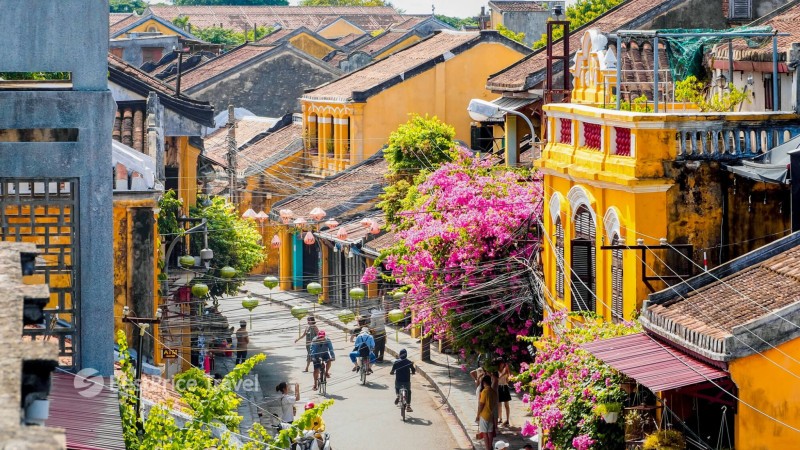
Hoi An Lantern Festival – Every full moon: Watch ancient streets glow with thousands of floating lanterns.
-
Da Lat Flower Festival – December: A mesmerizing celebration of blooms, parades, and artistic exhibitions.
Vietnamese festivals are more than just events—they are living traditions that celebrate the nation’s history, diversity, and joyous spirit. Every festival offers a chance to immerse yourself in local culture, witness breathtaking performances, and connect with communities across the country.

Holidays and Important Days in Vietnam: Celebrations, Traditions, and National Pride
Vietnam is a country rich in festivals and holidays, blending centuries-old traditions with modern commemorations. Each year, the nation observes 11 official public holidays, offering a unique glimpse into its history, culture, and community spirit. These include multiple days for the Lunar New Year (Tết), as well as celebrations for National Day, Hung Kings Commemoration Day, Reunification Day, International Labor Day, and other culturally significant occasions.
Official Holidays
-
Lunar New Year (Tết): The most important holiday, usually in late January or early February. Families gather for reunions, ancestor worship, and lively traditional festivities.
-
Hung Kings Commemoration Day (10th day of the 3rd lunar month): Honors Vietnam’s legendary founders with incense offerings, cultural performances, and dragon boat races.
-
Victory Day / Reunification Day (April 30): Marks the end of the Vietnam War, celebrated with parades, fireworks, and patriotic music.
-
International Labor Day (May 1): A day off for workers, featuring parades and celebrations of workers’ contributions.
-
National Day (September 2): Celebrates the founding of the Socialist Republic of Vietnam with official ceremonies, flag displays, and public festivities.
Other Important Days
-
Buddha’s Birthday (May): Observed by Buddhists with temple visits, prayers, and vegetarian meals.
-
International Women’s Day (March 8): Recognizes the achievements and contributions of Vietnamese women.
-
Mid-Autumn Festival (15th day of the 8th lunar month): A joyful celebration for children, featuring mooncakes, lantern parades, and lion dances.
-
Teacher’s Day (November 20): Honors educators and their vital role in shaping the nation’s future.
-
Trung Nguyen Festival (Ghost Festival) (7th lunar month): A time to honor ancestors and spirits, with offerings and ceremonies guiding them back to the afterlife.
Through these holidays and commemorations, Vietnam celebrates its heritage, honors its people, and brings communities together, offering a window into the heart and soul of the nation.
Summary
Vietnamese culture is a vibrant tapestry woven from thousands of years of history, tradition, and diversity. From the colorful attire of its ethnic groups and the rhythmic beauty of its music and dance, to the profound philosophies, rich literature, and cherished festivals, Vietnam offers a unique blend of the ancient and the contemporary. Its people, guided by values of family, respect, and community, continue to preserve and celebrate these traditions while embracing modern influences. Experiencing Vietnamese culture is not just witnessing art, ritual, or celebration—it is stepping into a living, breathing story of resilience, creativity, and identity that continues to inspire both locals and visitors alike.